Journey through Afghanistan
Travel through Afghanistan’s diverse landscapes to discover where we source our objects and meet some artisans along the way.
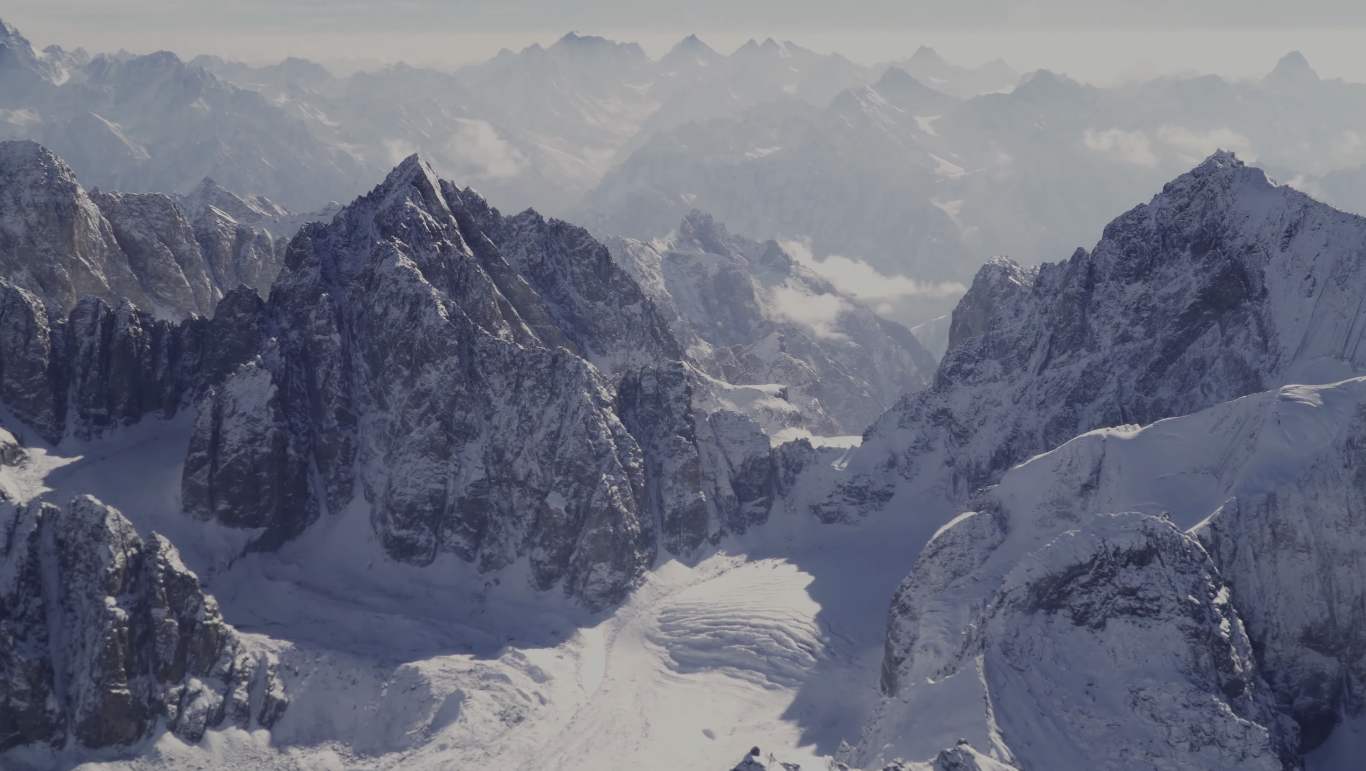
After more than four decades of war, and continuing economic and social instability, Afghanistan faces an uncertain future
Drought, flooding, food insecurity, unemployment, inflation and the collapse of the economy are just some of the challenges Afghans are now facing. International support has also now waned as donor priorities shift and political interest is drawn elsewhere. Around 45% of the population — nearly 22 million people — are now in need of humanitarian assistance, with 17.4 million facing acute food insecurity. Now more than ever, it is essential that Afghans receive the support they desperately need to rebuild their country and their lives.
Yet while the situation in Afghanistan is heartbreaking, the country is also filled with stories of courage, creativity, pride and ingenuity. At Artijaan, we work to support Afghans who are crafting a different narrative about their war-torn country, and slowly putting Afghanistan back on the map as a place of beauty, wonder and hospitality.


Rising from Ashes
In the summer of 2021, the collapse of Kabul brought the city's markets and banks to a sudden halt, destroying the livelihoods of millions almost overnight. What began in that moment of crisis as a small collective of artisans has now grown into an internationally recognised brand, providing ethically curated craftwork to mindful consumers around the world.
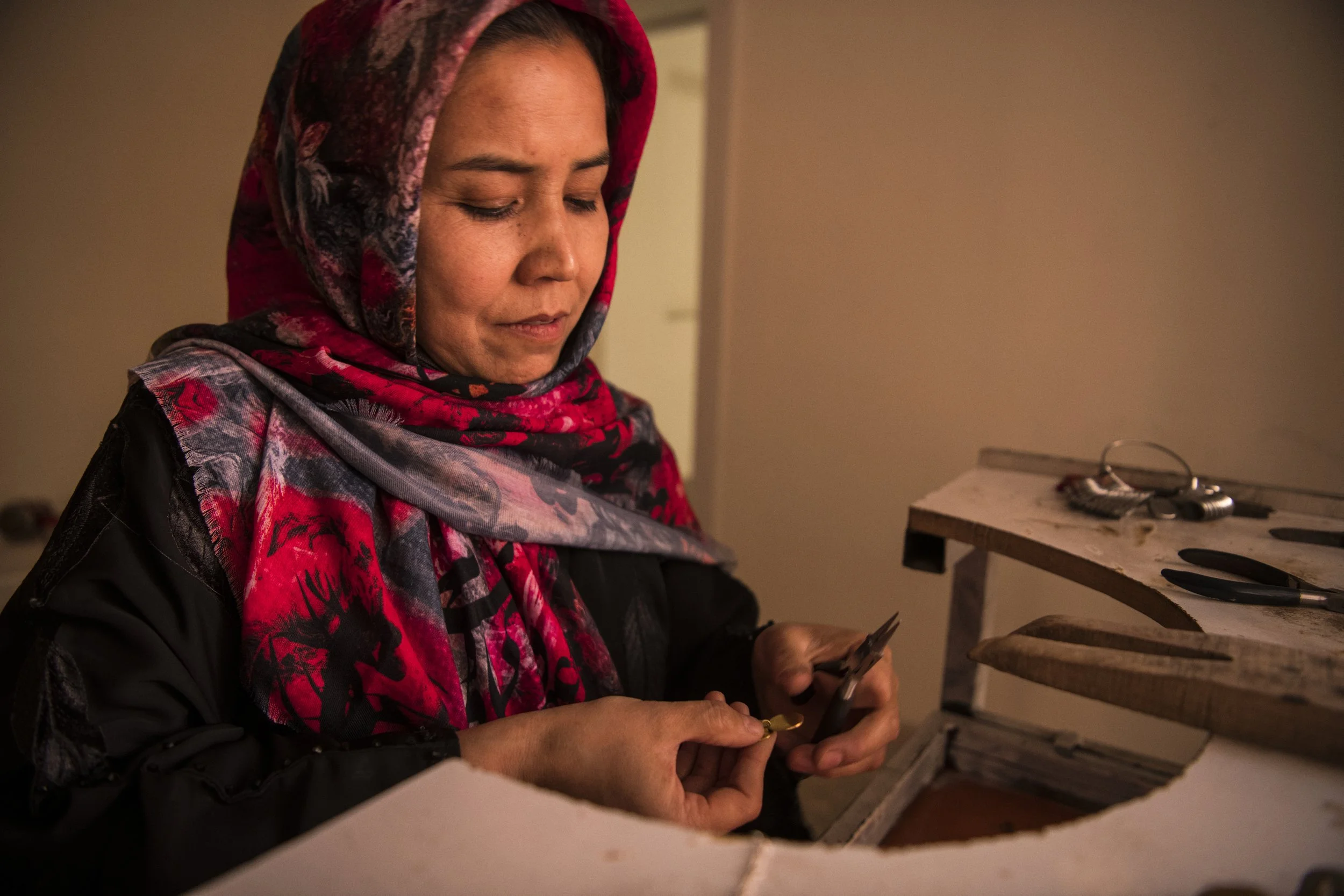
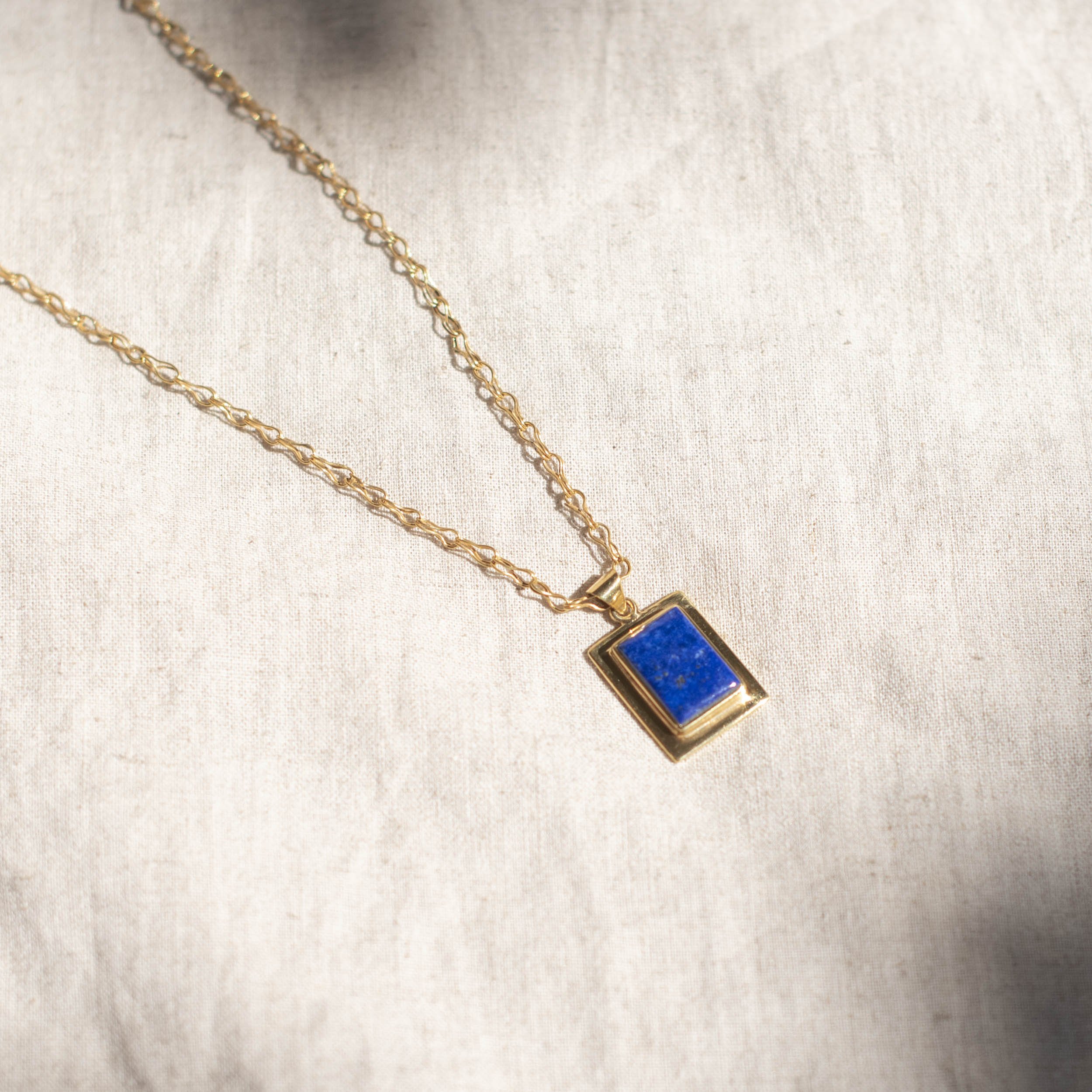
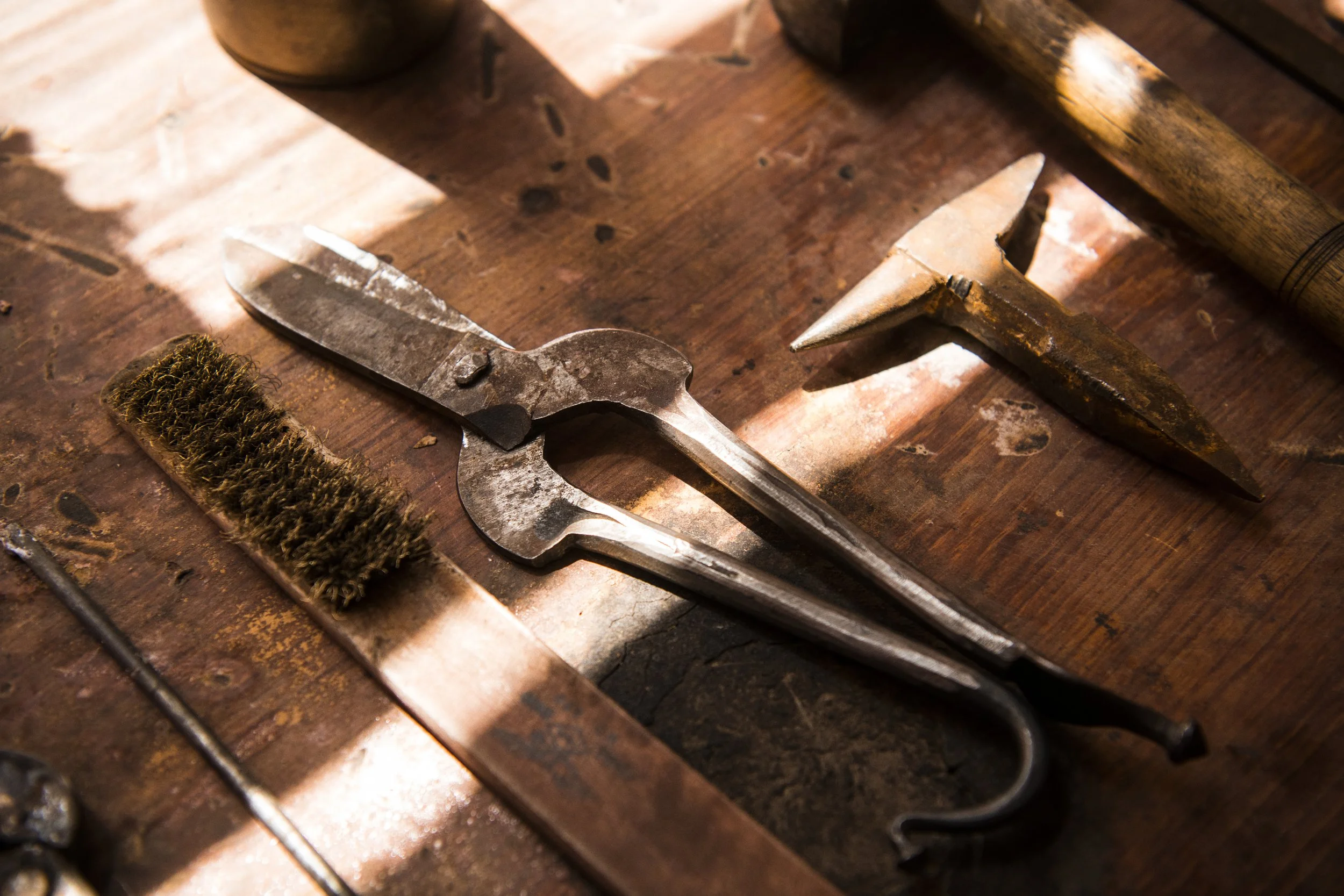
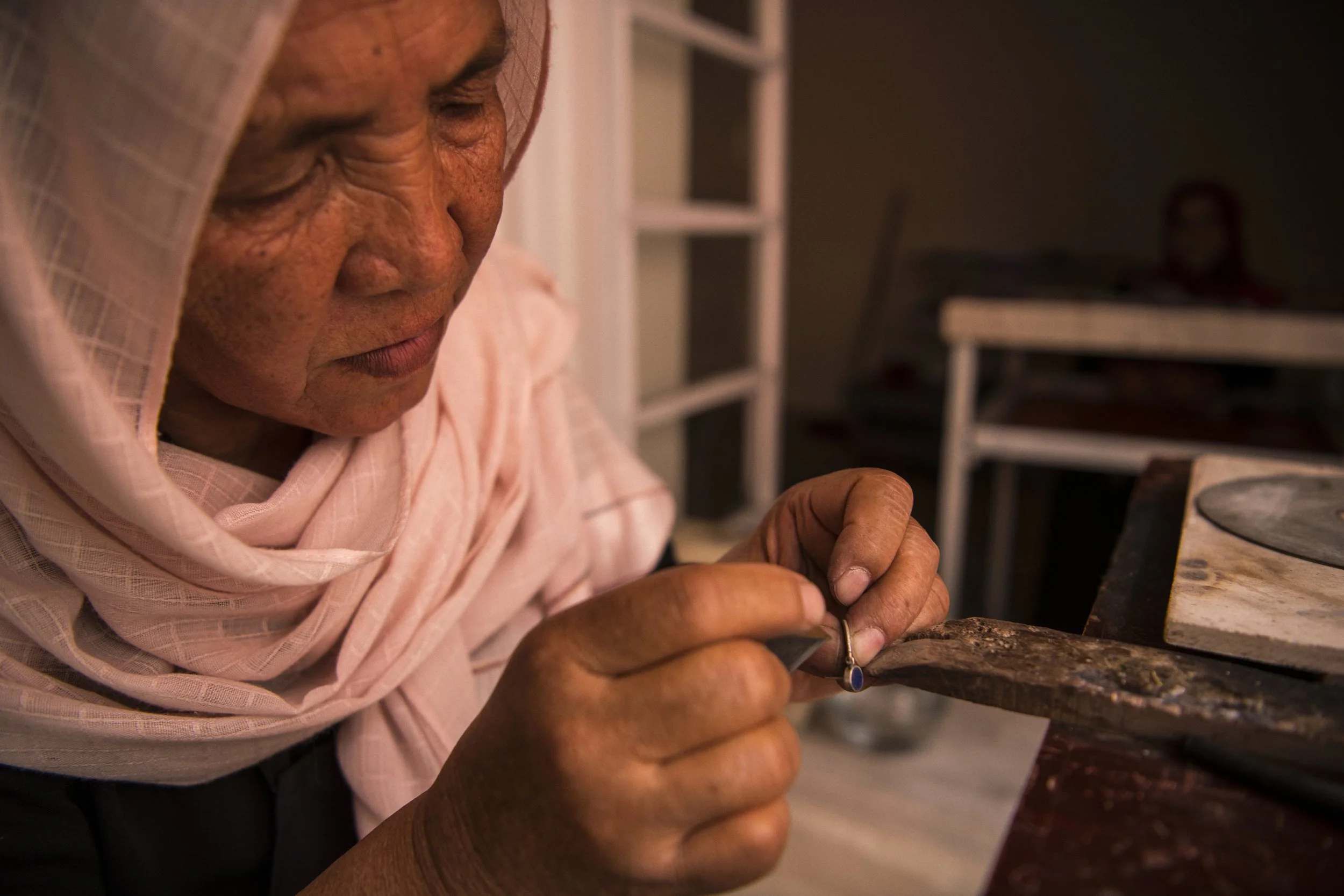
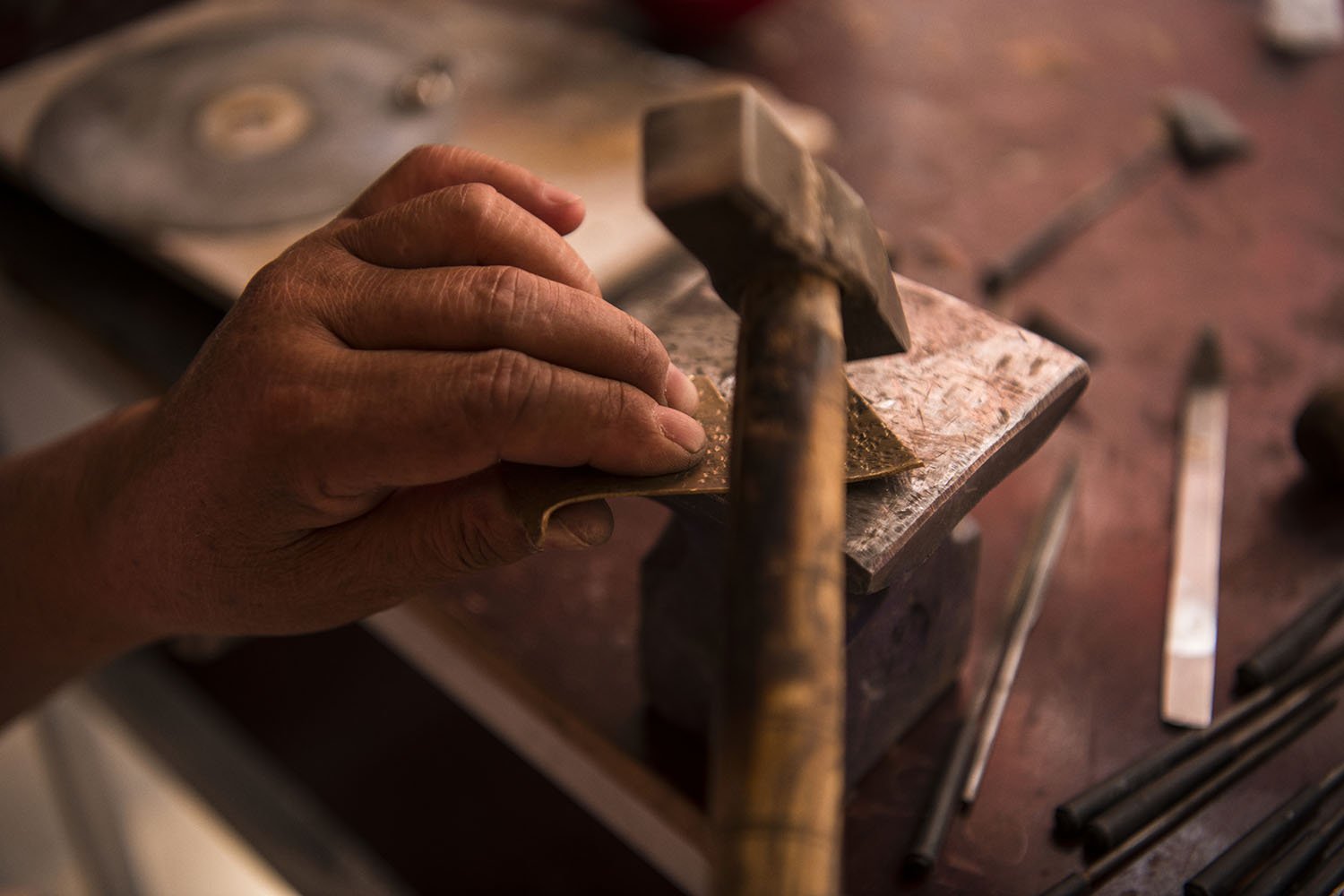
Today Artijaan collaborates with a network of 3000 artisans in Afghanistan across eight provinces, eighty per cent of whom are women. From workshops in Kabul to the highlands of Bamyan and the ateliers of Herat, we help craft enterprises and individuals bring their embroidery, jewellery, ceramics and woodwork into stores and collections around the world. At the centre of our work is our Kabul workshop, a women-only space and of the few formal, paid workplaces open to women in the country today.
We work alongside organisations like the United Nations and ACTED, and luxury brands like ZAZI Vintage, to connect development assistance to sustainable business practices, supporting artisans with raw materials, training, market access and logistical support. Every piece that leaves Afghanistan carries a name and a story with it – proof that a country can be known for more than what put it in the headlines.

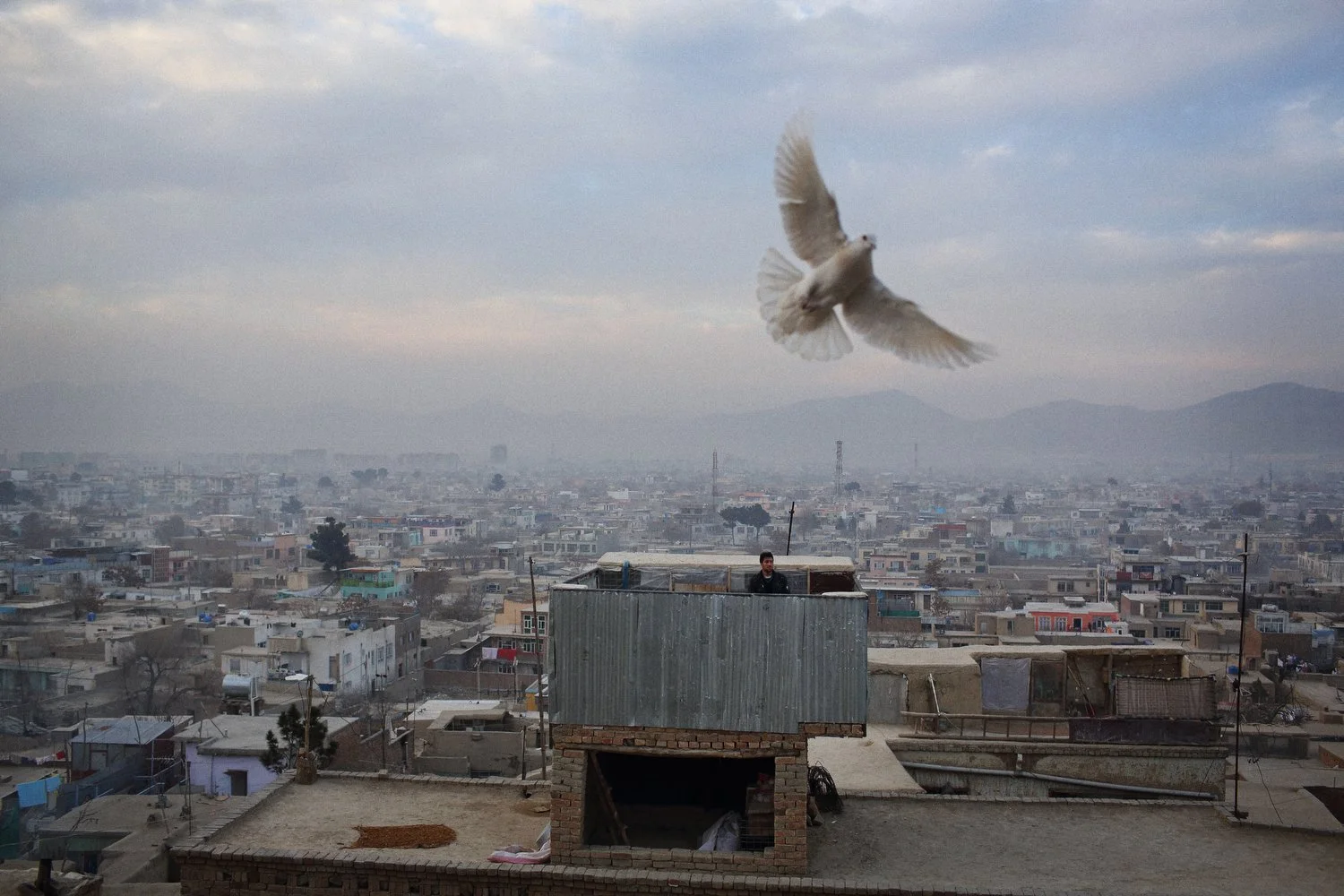
Areas of operation
Kabul
The vibrant capital of Kabul is our heart and home in Afghanistan, serving as our base of operations where we design and co-create with many of our artisan partners. Nestled at the centre of a triangular valley, Kabul is surrounded by the snow-capped Hindu Kush mountains. Flying over their craggy peaks before descending into the city is an unforgettable sight. Over the years, the city has steadily expanded, drawing people from all corners of Afghanistan to form a cultural and ethnic melting pot. Situated at the crossroads between western and eastern Asia, Kabul boasts a rich history that stretches back nearly 3,500 years.


Bamyan
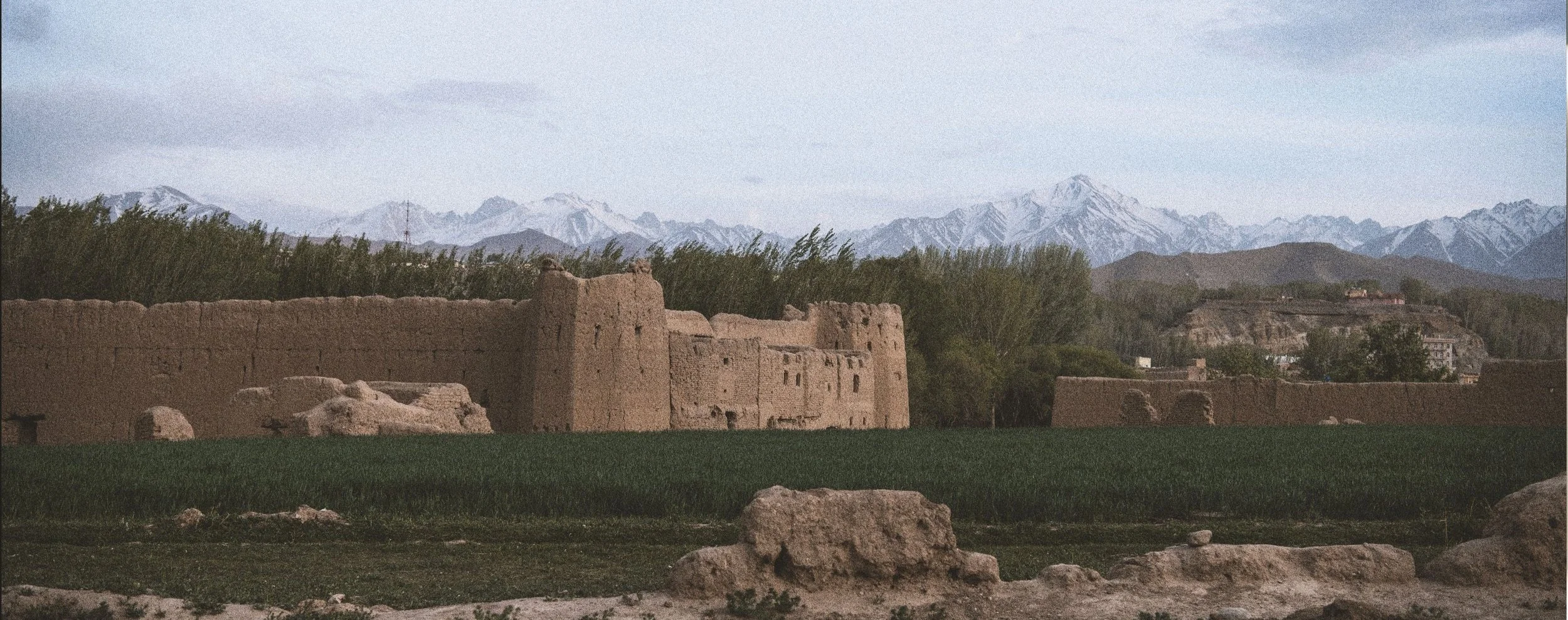
On the road to Bamyan, the rugged mountains of the Hindu Kush give way to bucolic scenes in the valley below. Caves, hewn into the cliffside, where Buddhist monks once retreated to mediate, resemble honeycomb when viewed from a distance. In the central highlands of Afghanistan, Bamiyan province boasts a rich cultural heritage and an array of archeological wonders. Roughly 240 kilometers west of Kabul, Bamiyan city sits at lofty 2,550 meters above sea level, deserving its moniker, “roof of the world” or “place of shining light”.


Herat
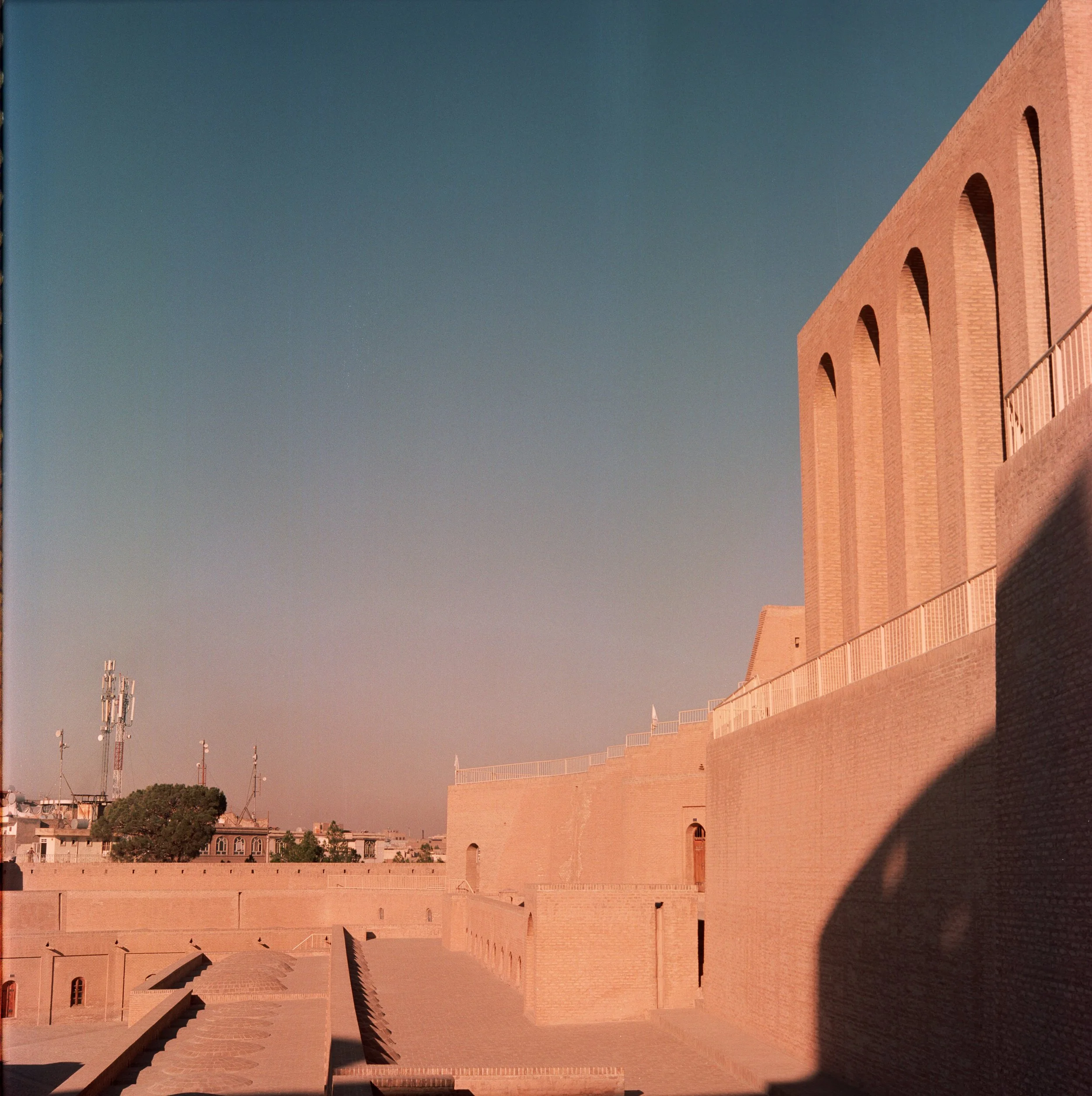
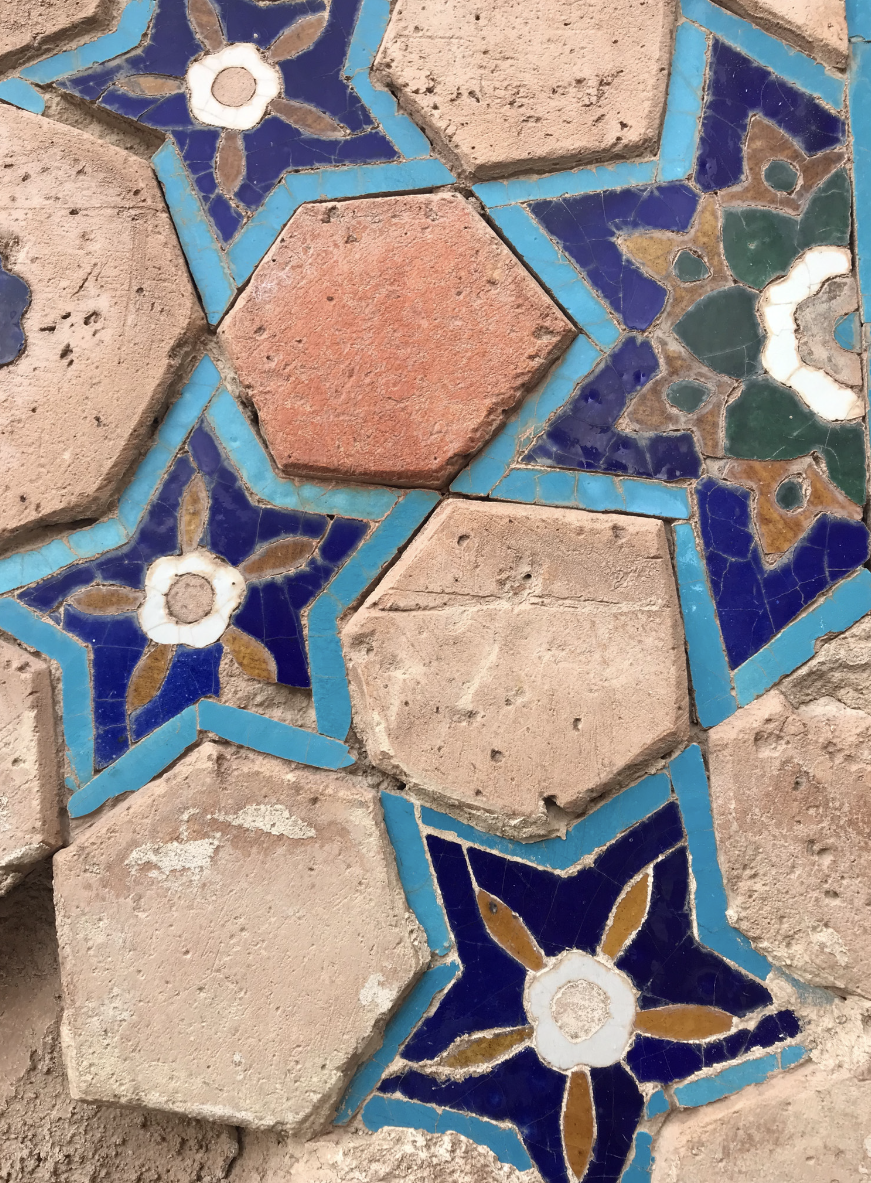
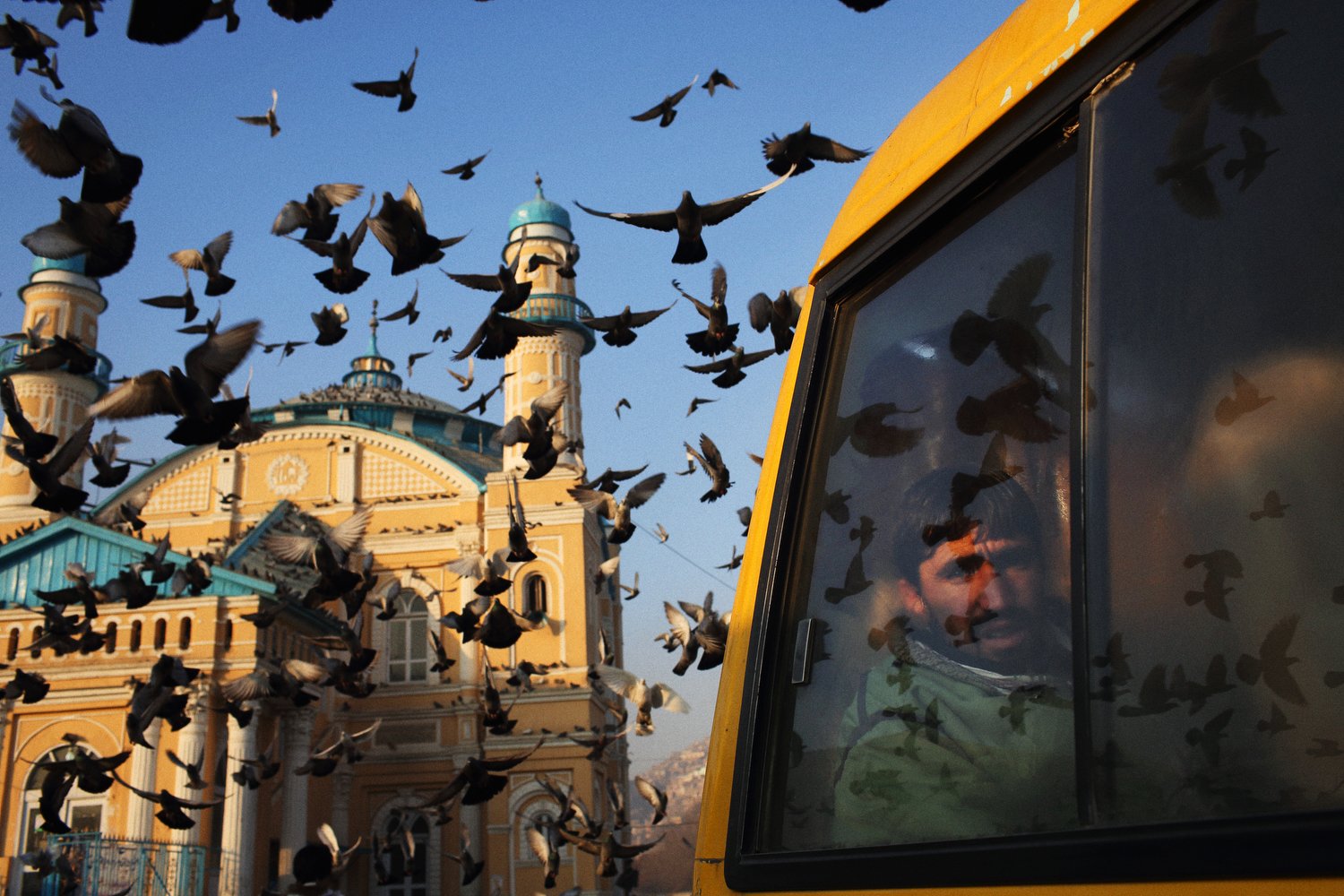
The azure blue tiles of Herat’s Friday Mosque gleam in the fading afternoon light as the call to prayer rings out over the marbled courtyard below. The oasis city of Herat serves as the capital of Afghanistan’s westernmost province and the birthplace of heritage glassblowing. Many a conqueror has laid claim to these lush and fertile lands. Alexander the Great once swept through the region, building a fortified citadel which, more than 2,000 years later, still stands as a sentinel over the valley. Under the Timurid Empire, Herat became the fulcrum of the Timurid Renaissance, a period of Islamic artistic and cultural revival. Herat remains an important cultural center, the legacy of its rulers evident in the colorful minarets and domes which dot its skyline.