A New Chapter Along the Nile
Over the past five years in Afghanistan, and the last two in Palestine, we’ve witnessed how craft can become far more than a source of income.
It can restore dignity, preserve cultural identity, and offer a measure of stability when so much else has been lost.
As we looked to the future, we began asking where we could expand our mission to have more impact. Egypt felt like a natural place to begin this new chapter. Home to some of the world’s richest craft traditions, it has also become a place of refuge for communities displaced by conflict across the region, including many from Palestine.
Egypt is a place where these histories, movements, and traditions converge. Where extraordinary skills exist alongside fragile systems of support. Our role is to help build those pathways of support, carefully, and in collaboration, so that craft can remain a living source of income and identity rather than something that disappears under pressure.
Egypt is also a country shaped by the pressures of regional instability.
As of 2025, the country hosts nearly one million refugees and asylum seekers, the vast majority arriving from neighboring Sudan and Syria. Many have fled armed conflict, challenging economic conditions, and the effects of climate change.
After escaping calamities in their countries of origin, arrival in Egypt represents a new frontier of uncertainty. Migrants and refugees must now begin the slow process of rebuilding their lives. This often means entering informal work economies, where access to stable employment, housing, and basic services is limited.
Within this reality, craft stands out as one of the few forms of work that can be carried across borders. These are skills that can be learned, preserved, and reestablished in new contexts, offering economic stability and a dignified living that is so often denied to displaced communities.

Areas of operation
Cairo
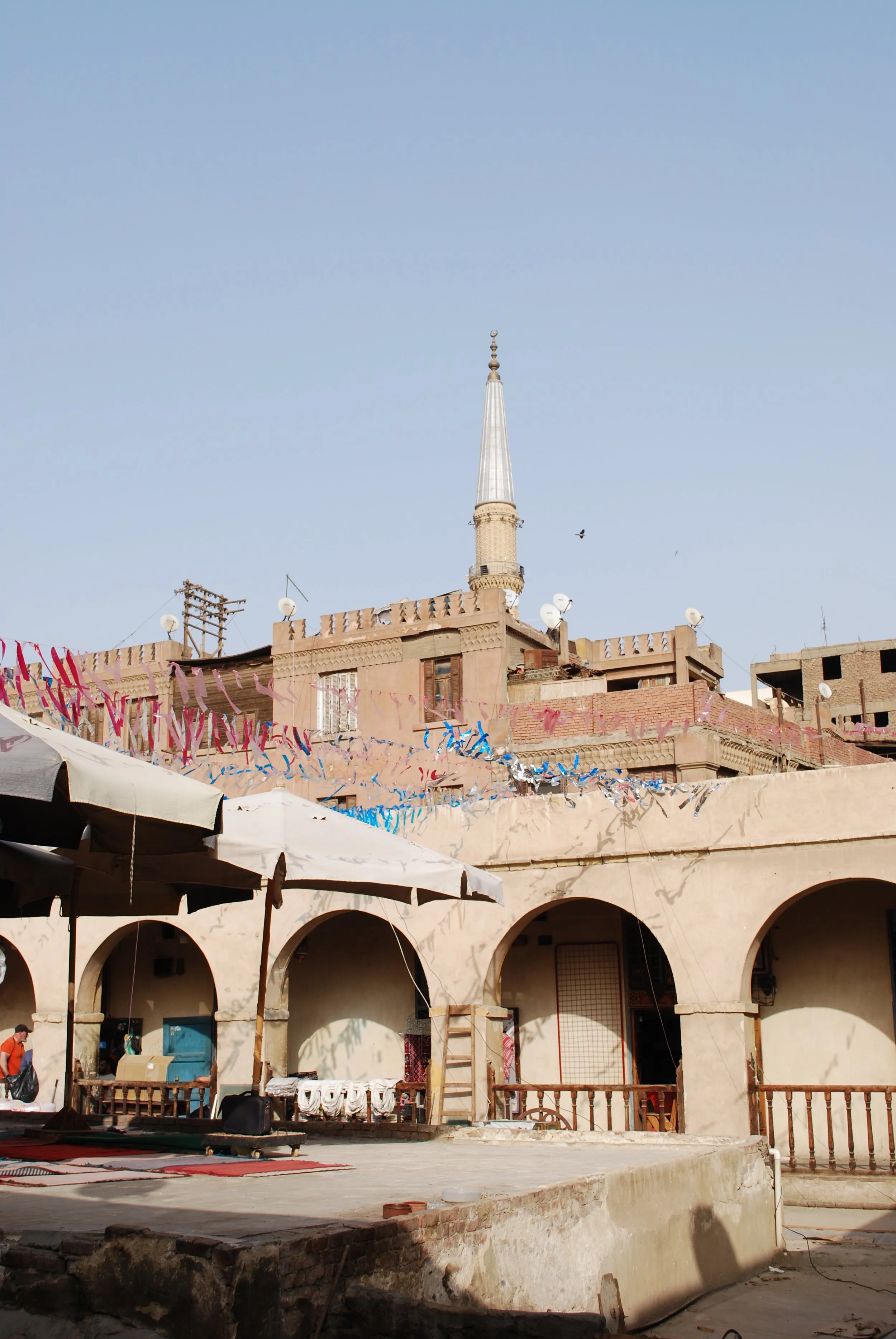
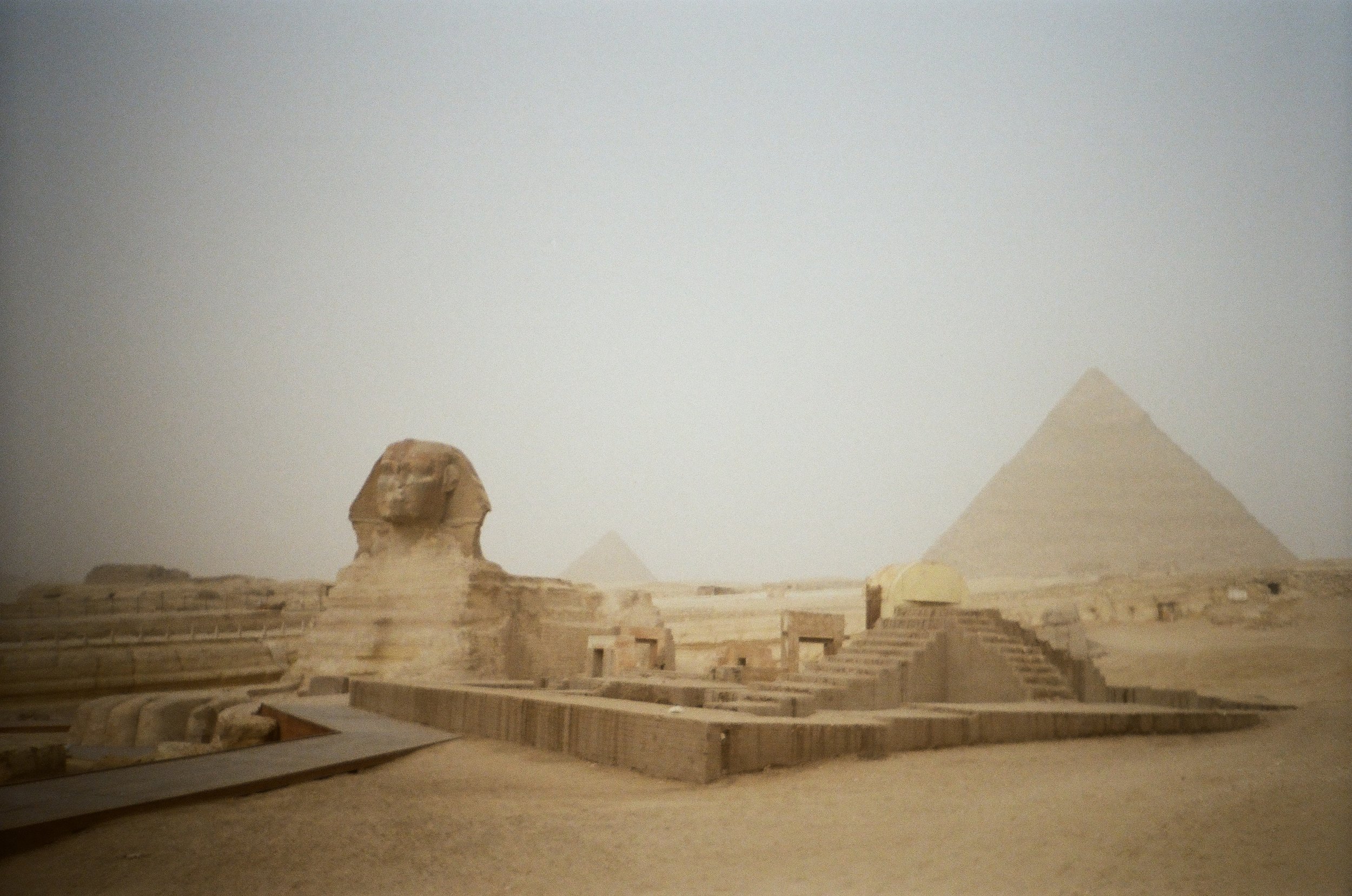
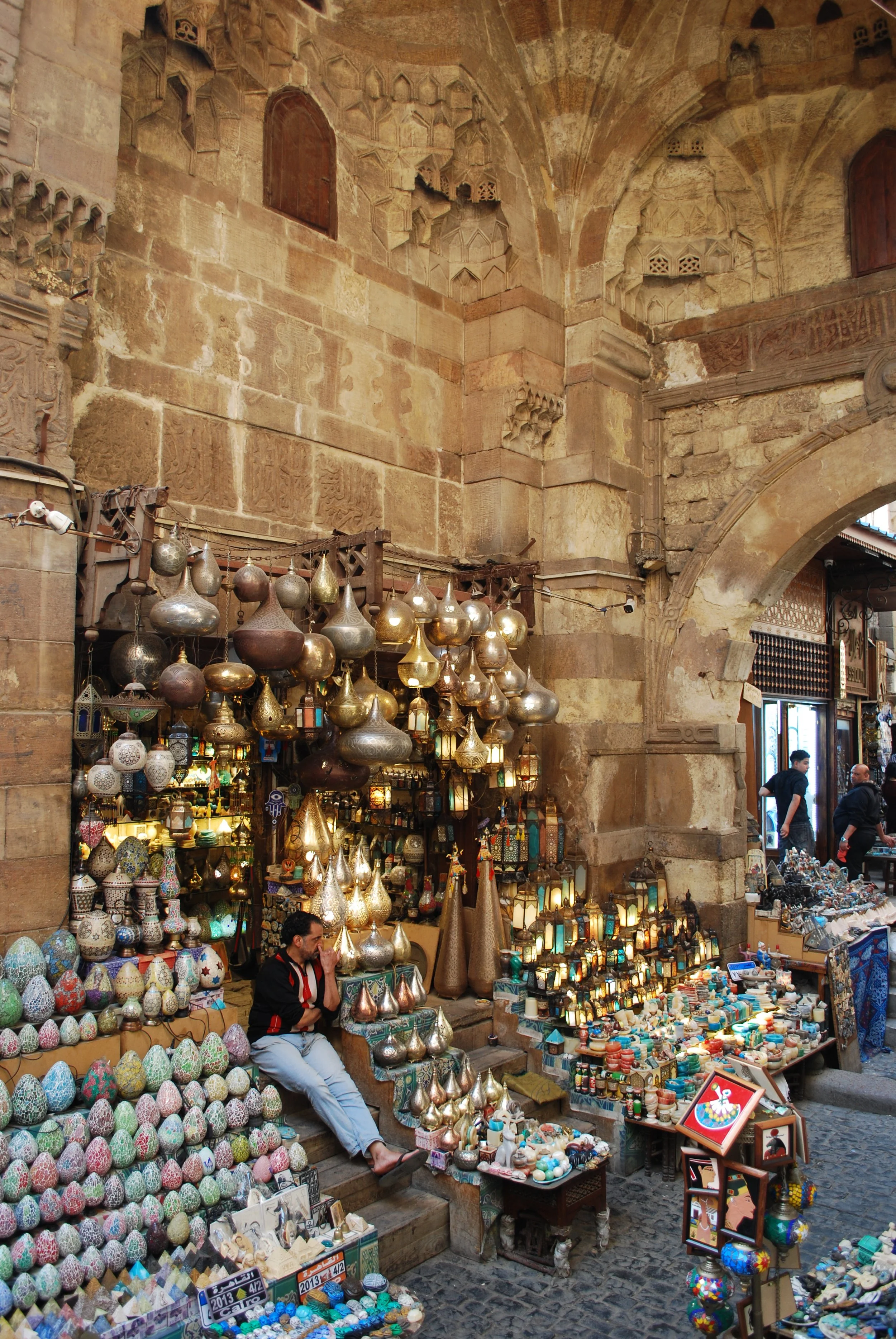
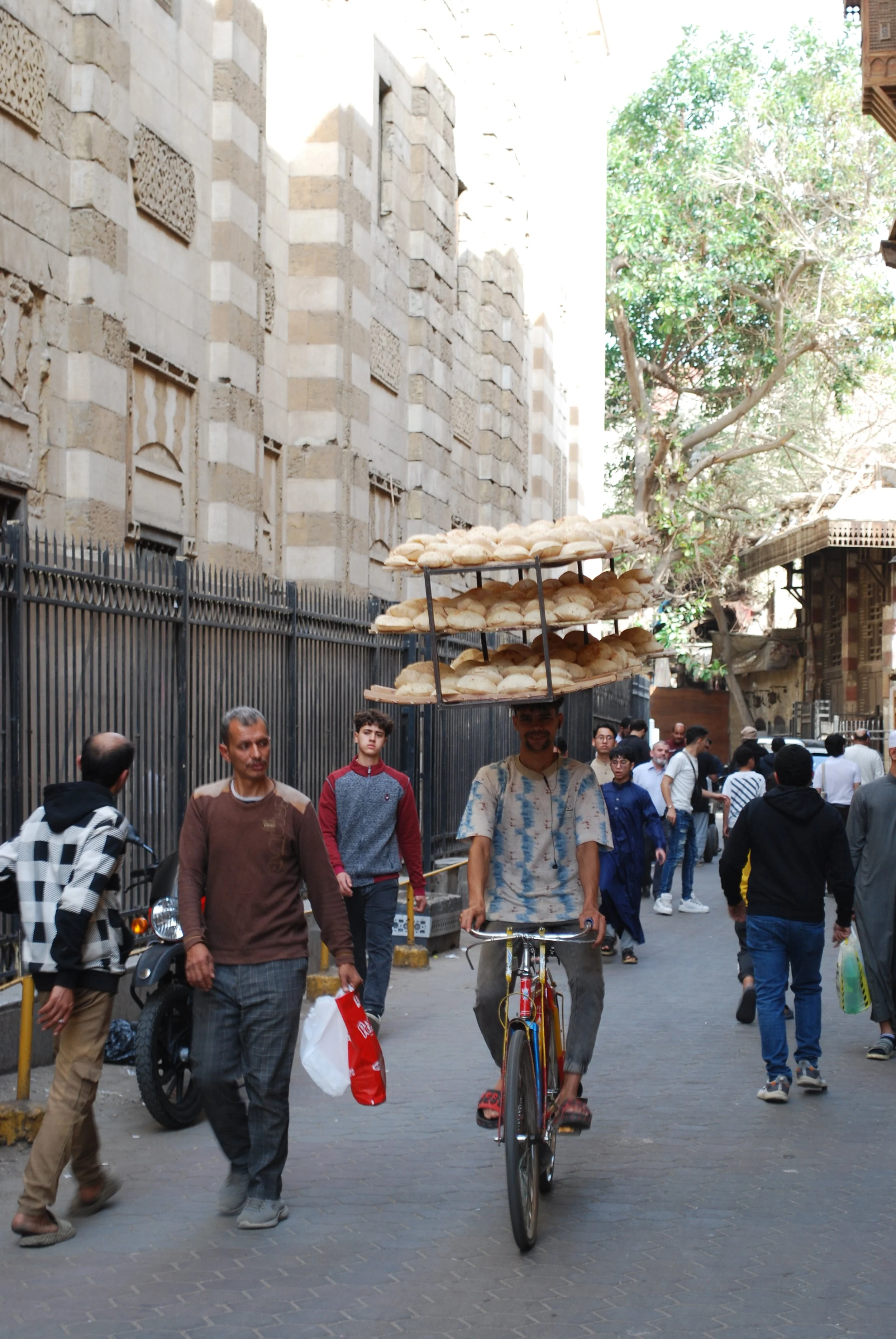
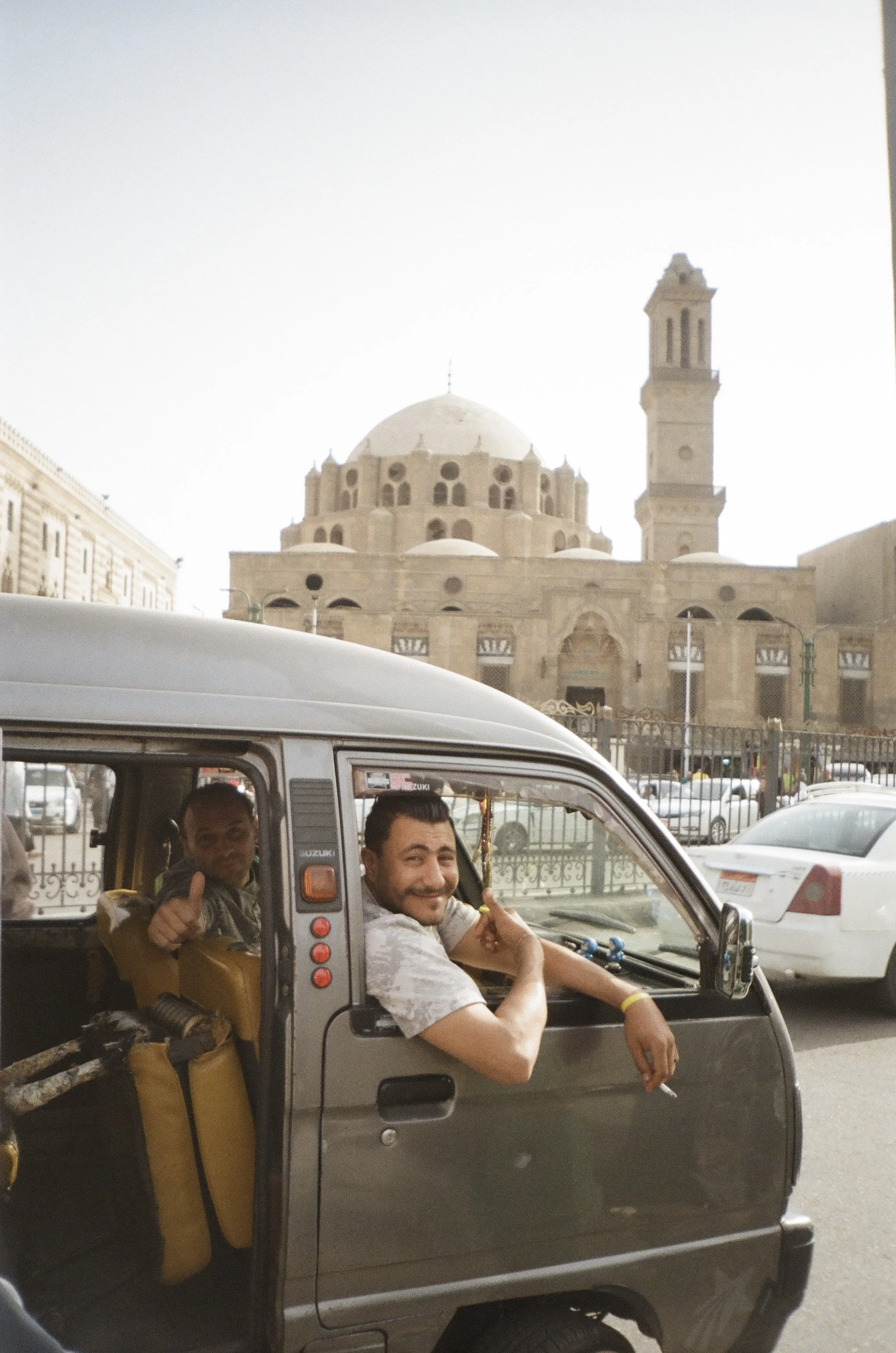
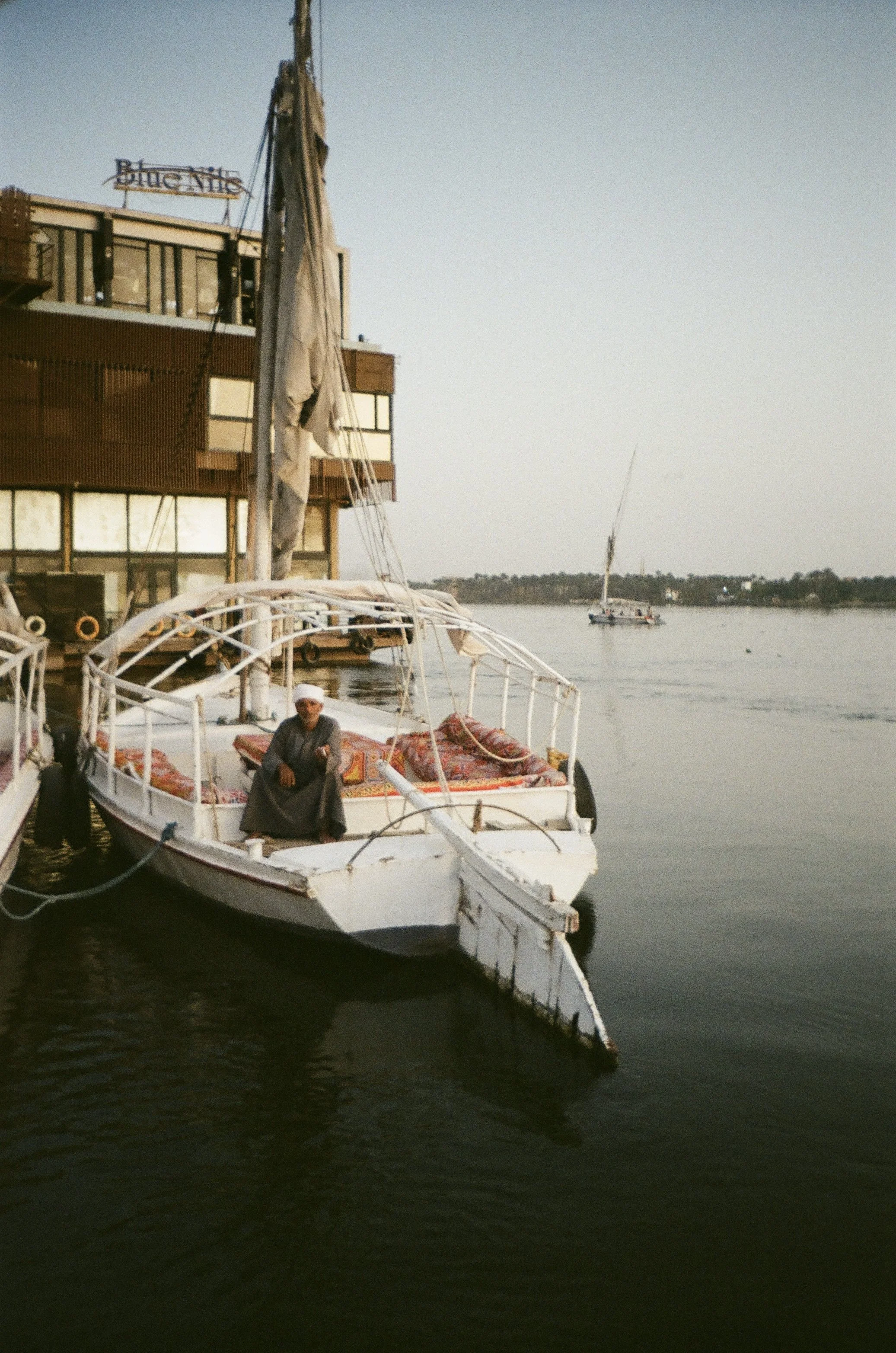
Along the life-giving Nile river, a modern metropolis rises from the foundations of an ancient civilisation. The city is formidable, evoking feelings of exhilaration that often border on overwhelm. Reminders of its storied past linger in every traffic-choked street and labyrinthine souk where the rhythms of everyday life unfold in a stream of endless movement.
Ancient Egyptian artisans were highly skilled makers, producing everything from funerary pottery, carved wood and stone, intricate jewelry, textiles, ceramics, and decorative paintings. Their craftsmanship undoubtedly defined one of the world's most enduring civilizations, and many of these traditions continue to echo through the city's workshops and markets today.
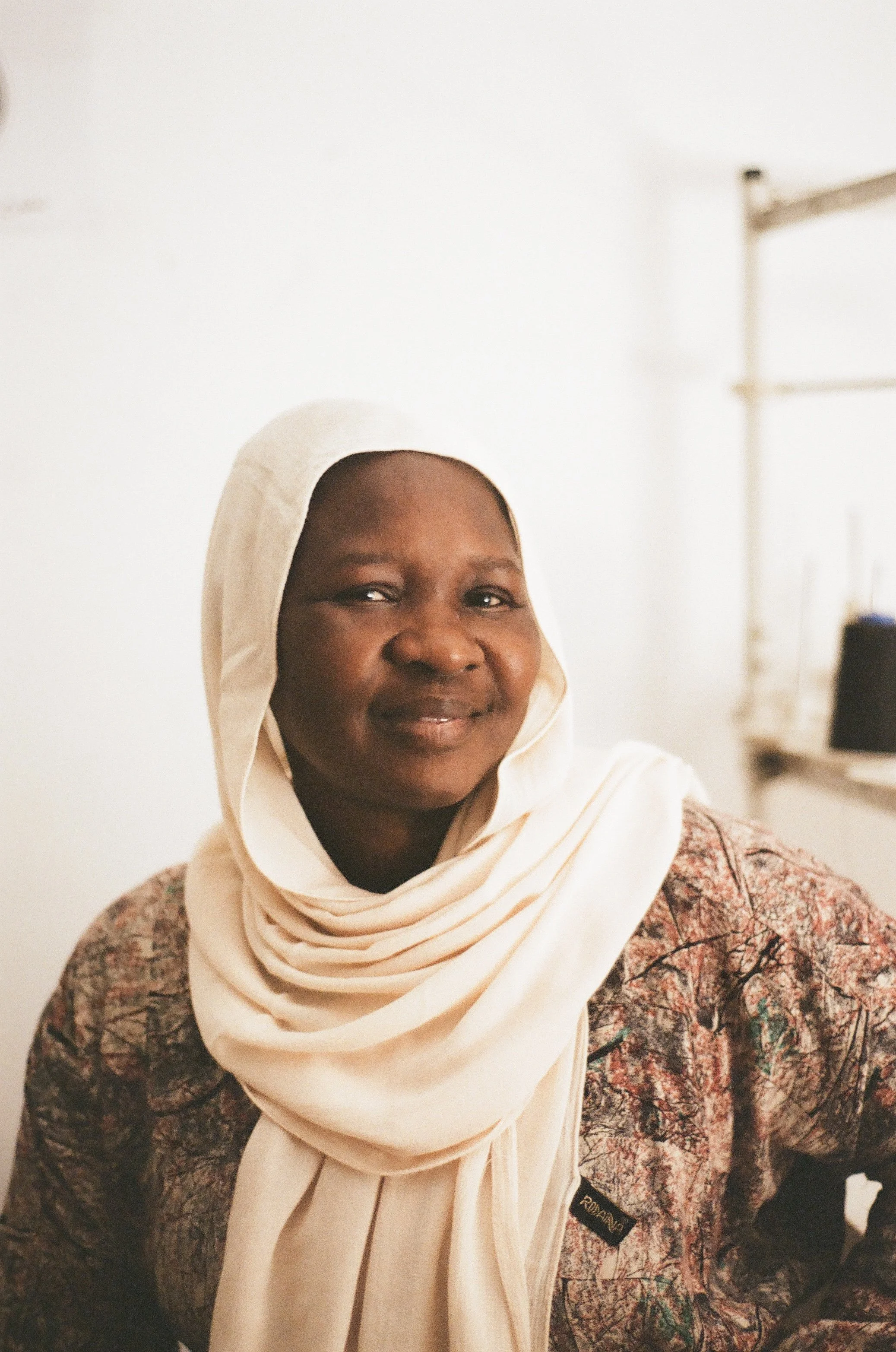
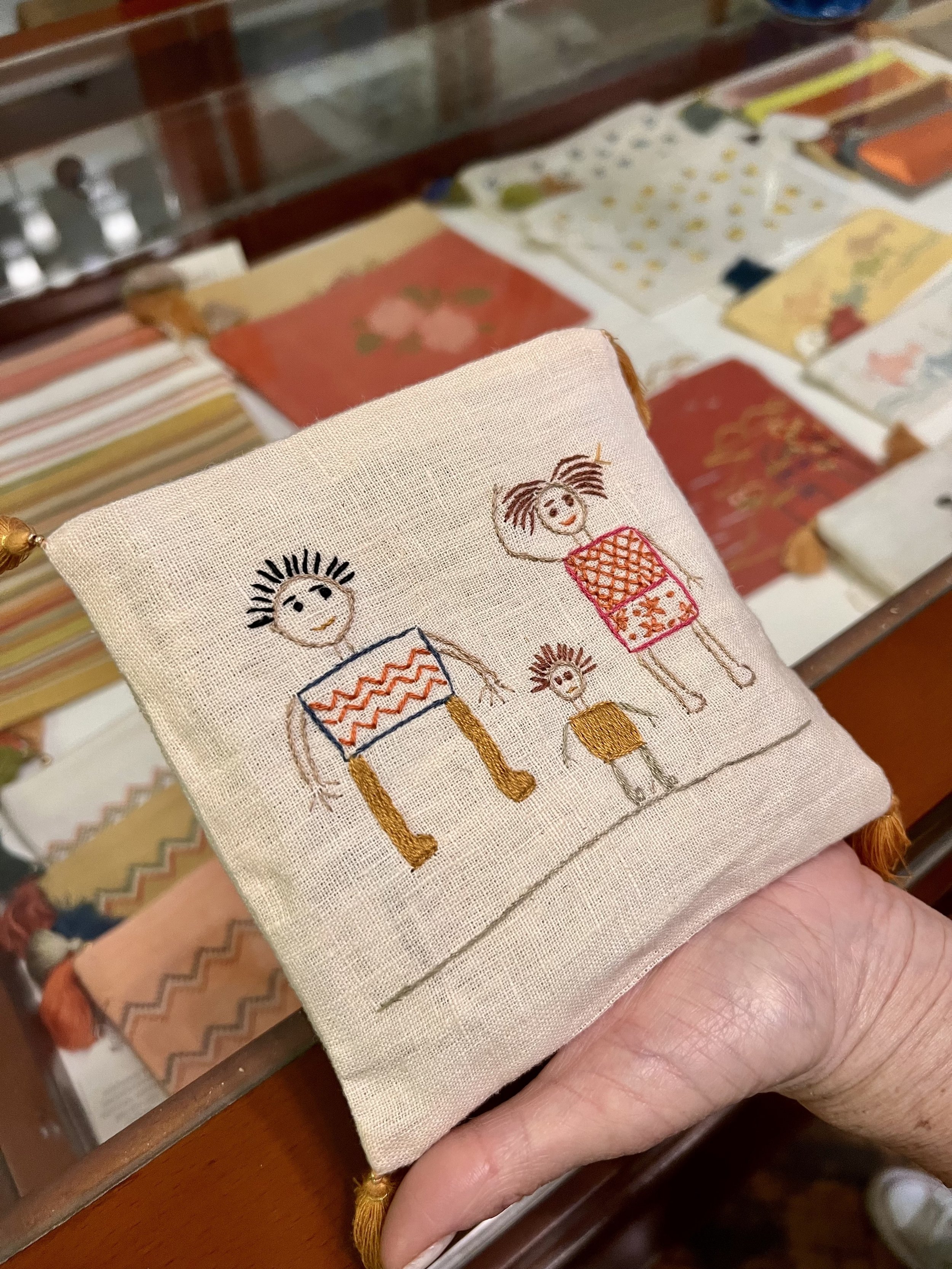
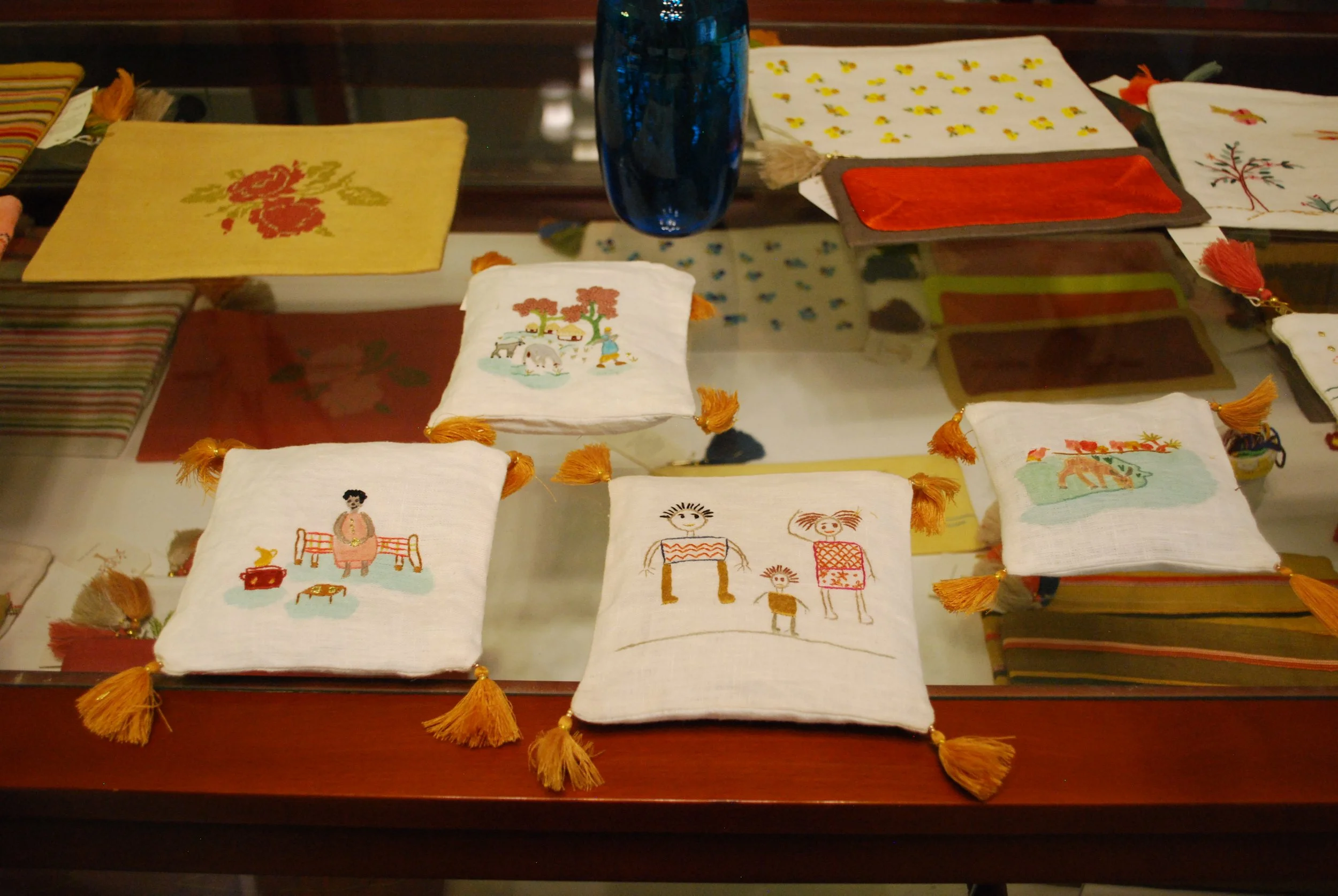
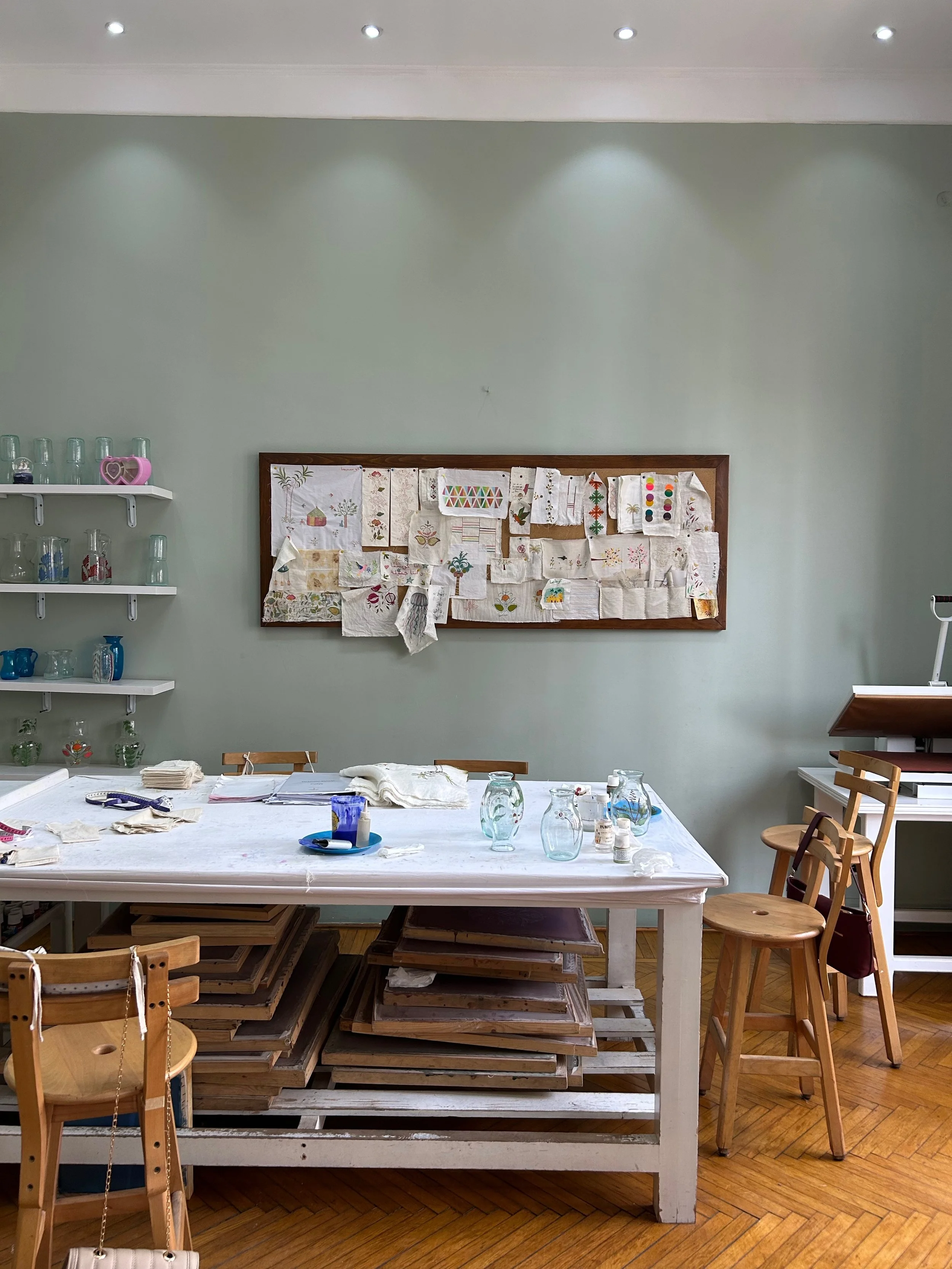
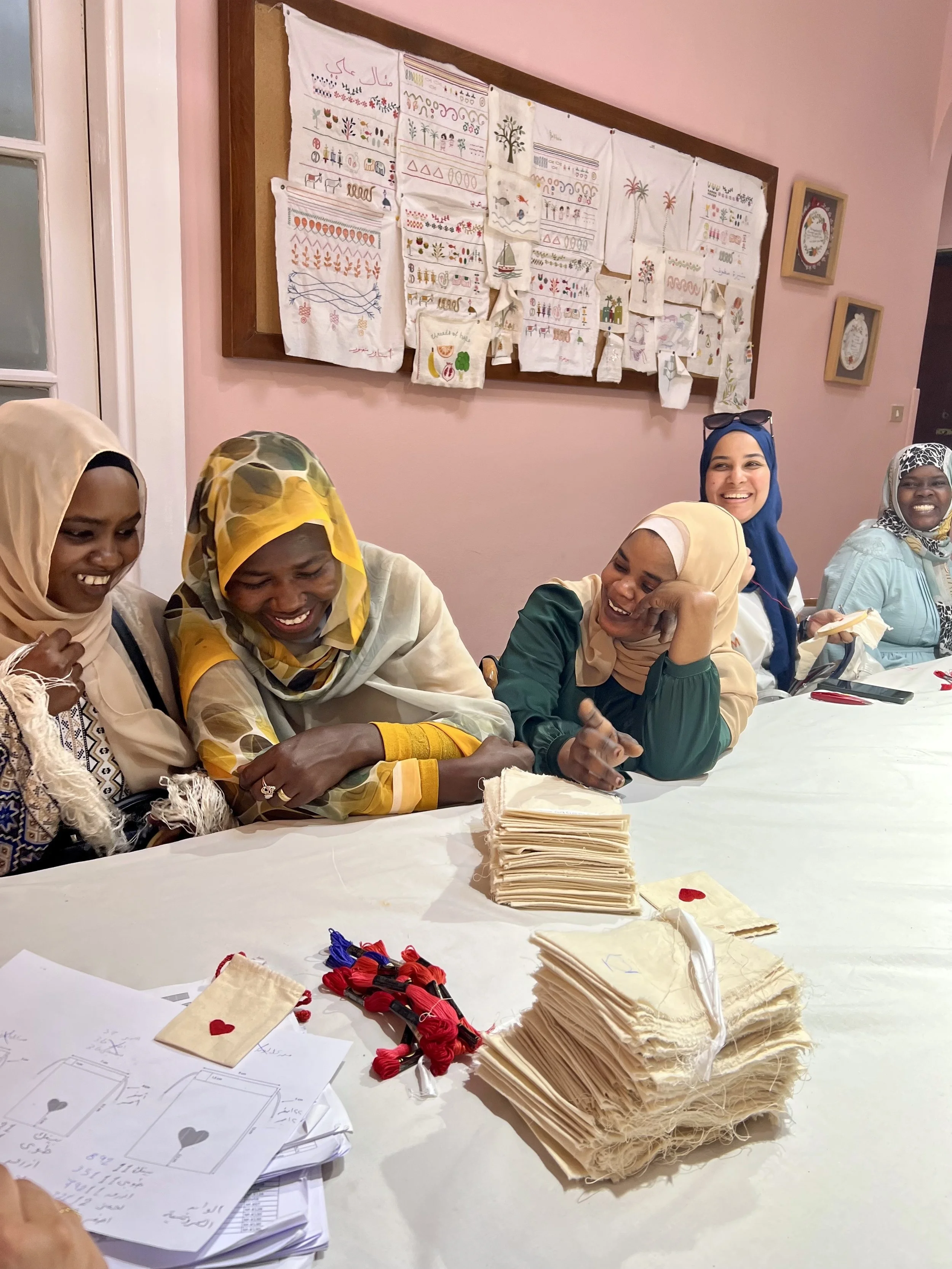
In Cairo, we partner with Threads of Hope and Yadawee, two inspiring social enterprises that provide fair wages, economic independence, and vocational training to underprivileged, migrant, and refugee women. Through hand-embroidery and textile arts, these women preserve regional craft techniques while building secure futures for their families. Alongside them, we support Hassan, a master weaver from Gaza, who recently relocated with his family and rebuilt his workshop from the ground up, keeping the centuries-old art of traditional Majdalawi weaving alive.
Fayoum
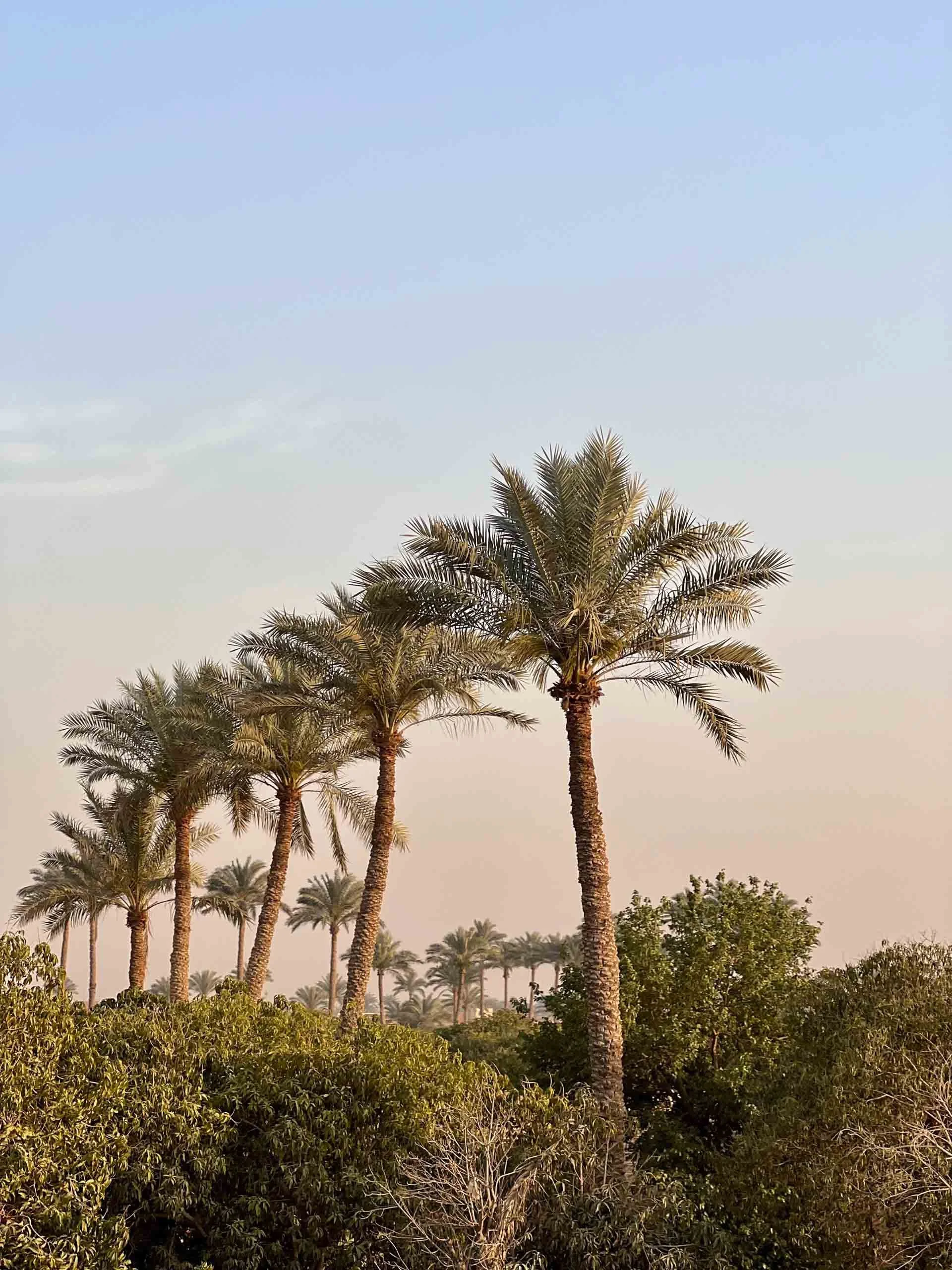
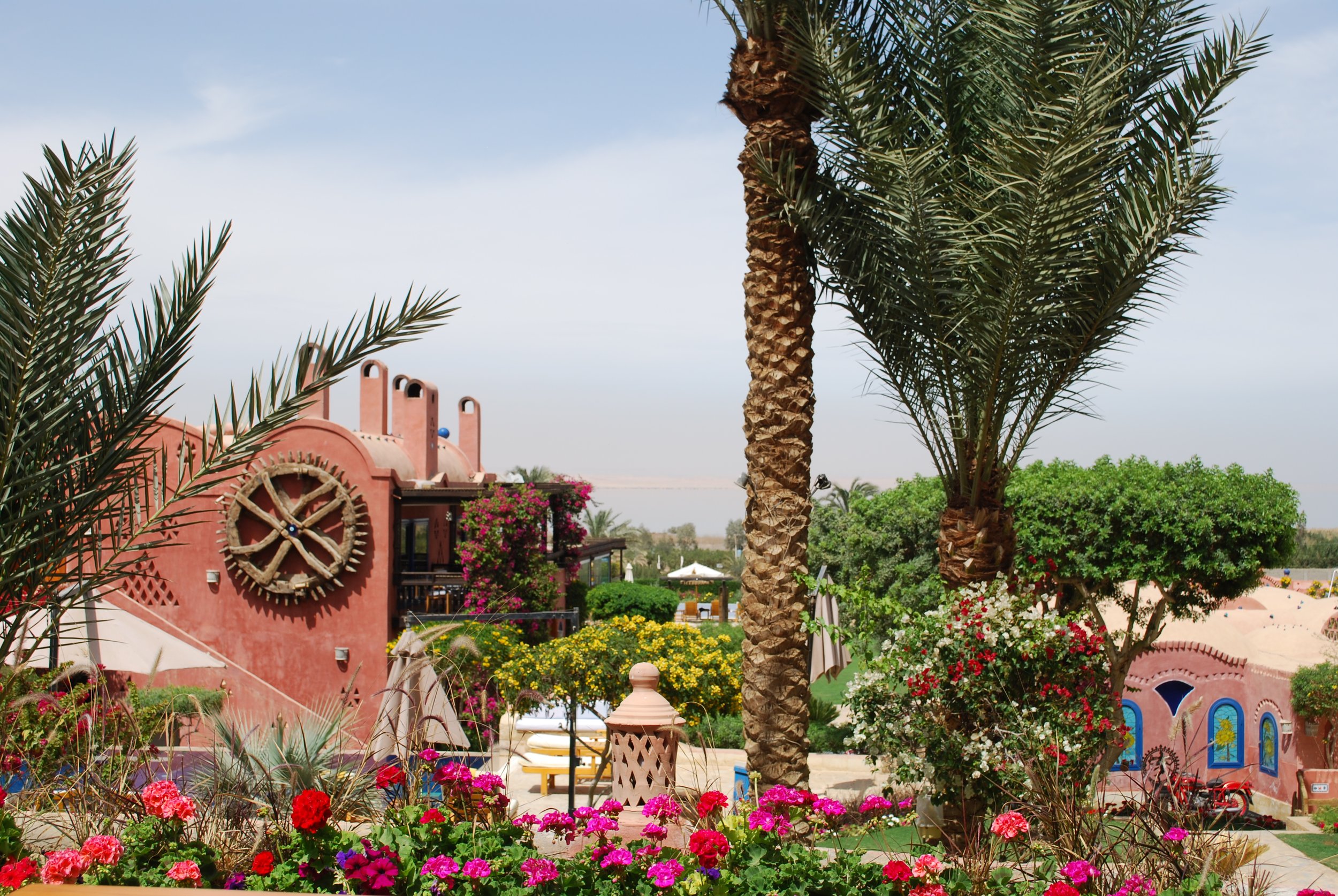
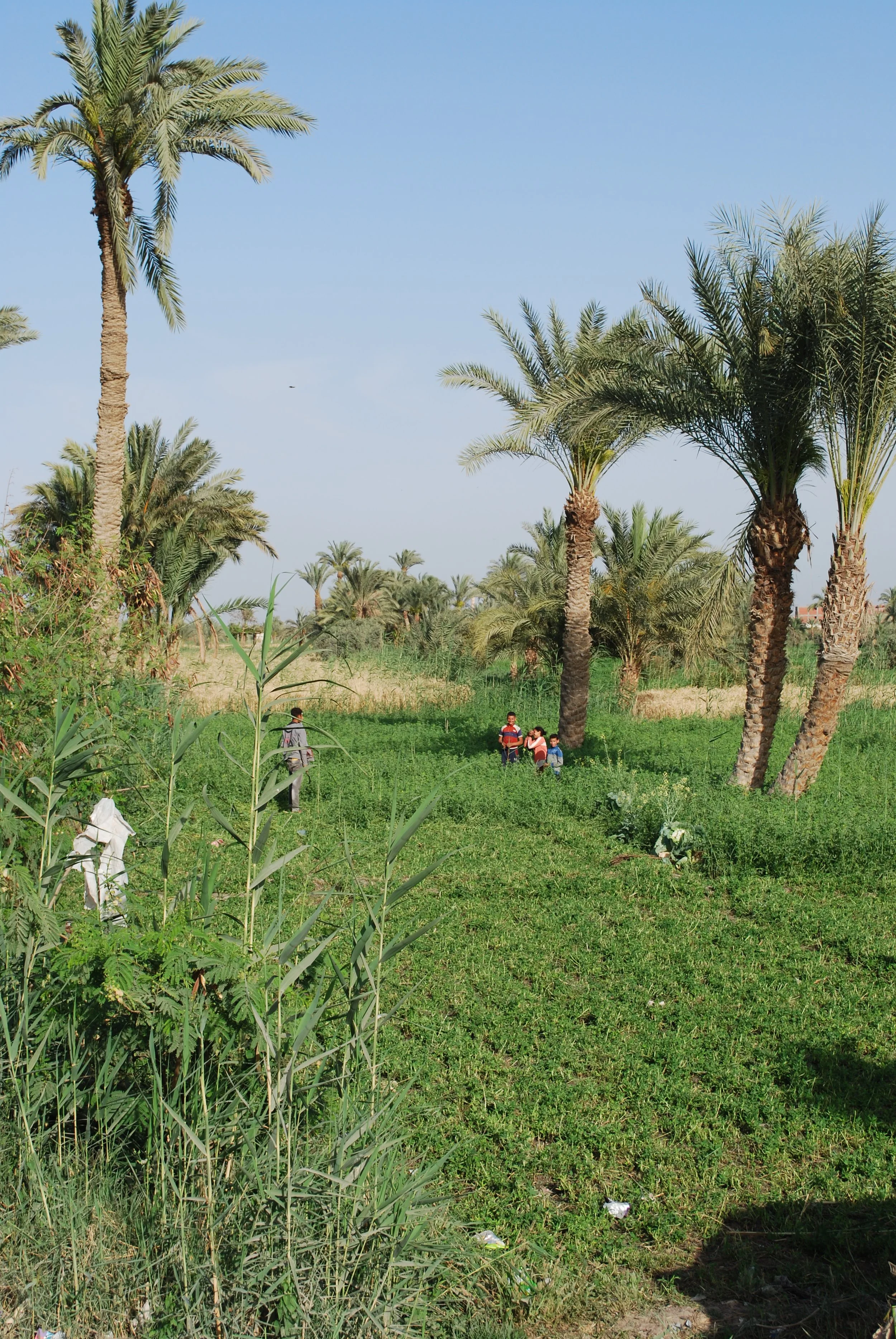
Just an hour's drive north of the bustling capital lies Egypt's oldest continuously inhabited city, Fayoum. Once the center of worship of the ancient Egyptian crocodile god, Sobek, Fayoum is an oasis of lush fields and leafy palm trees swaying under a withering sun.
The city also hosts three smaller villages that are considered important centers of pottery production: Tunis, Al-Nazla, and Kom Oshim. Artisans largely retain the original processes and tools, adorning handmade forms of locally-sourced clay with colorful, nature-inspired patterns or lively scenes of rural life.
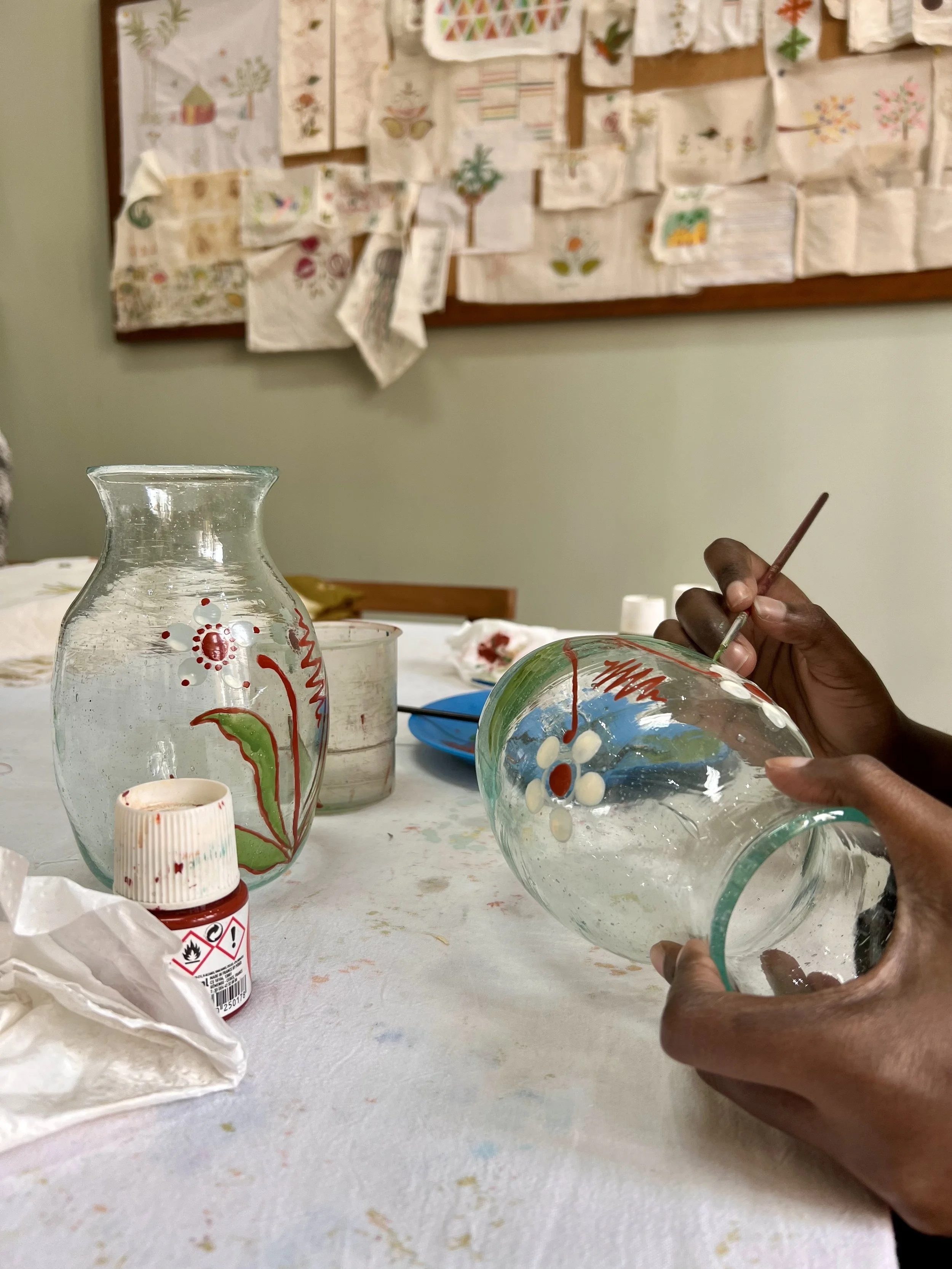
In Fayoum, we collaborate with a ceramics collective led by Mahmoud El Sherif, to bring our upcoming collection to life, an effort where the entire village comes together, sharing creation across its local workshops. Tunis Village was transformed into Egypt's famed pottery haven by Swiss ceramicist Evelyne Porret, who founded a local school in 1984 to empower village youth through clay. Today, almost every workshop in Tunis is run by her original students and their families, carrying forward a rich, generation-spanning heritage of Egyptian craftsmanship.