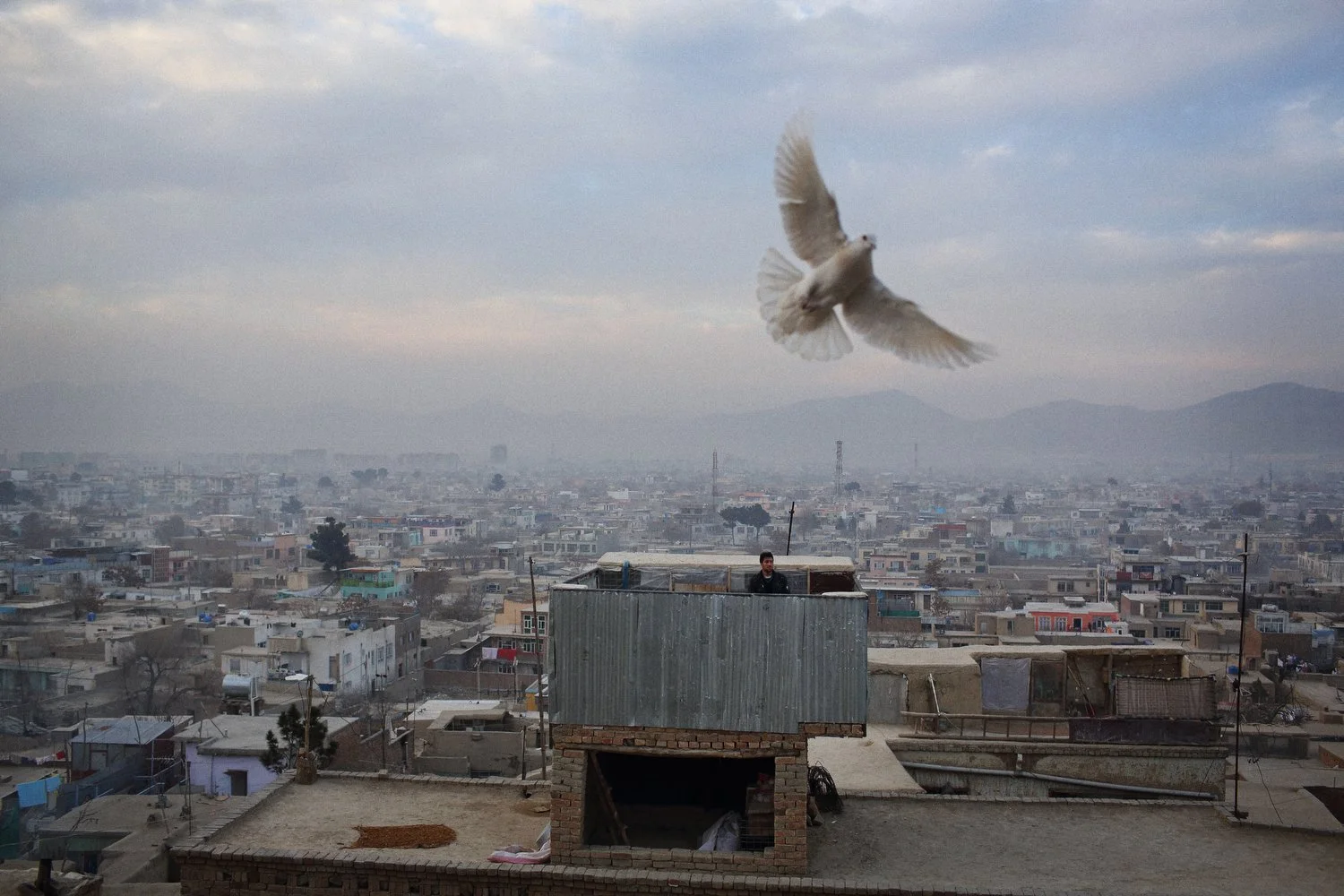
On February 27, our team members in Kabul were awakened in the middle of the night by a series of massive explosions. The attack, known as Operation Righteous Fury, was launched by Pakistani forces in response to increased tensions along its heavily disputed border with Afghanistan, known as the Durand Line. Though the two countries have clashed for decades, these strikes are a major escalation, as Pakistan’s defence minister has now declared “open war” with Afghanistan, ending the tenuous ceasefire that was brokered last October.
We immediately reached out to our artisan partners, trying to understand the situation and how they might have been affected. To our relief, none of them had been directly impacted. Rattled, yes, but thankfully spared any physical harm. Then, just two days later, the U.S. and Israel launched surprise airstrikes on multiple cities across Iran. What has unfolded in the subsequent days is nothing short of devastating.
Andrew Quilty
In the span of just a few weeks, the scale of global instability has come into sharp focus. According to recent estimates, more than 121 million people worldwide are currently displaced by conflict and insecurity. To be without a home is to be dispossessed of one's own identity, a profound damage that often becomes irreparable. At the same time, more than 800 million people face extreme poverty, and nearly 318 million are experiencing acute hunger. Across borders, escalating tensions have disrupted trade routes and local economies, compounding hardship for communities already living on the edge. What we are witnessing is not isolated, but rather part of a broader pattern of intensifying conflict, whose consequences ripples far beyond any single region. When violence reigns, the wounds of human suffering only grow deeper.
As I write this, I can’t help but feel that we have arrived at a critical juncture in the story of humanity. Systems rooted in hierarchy and dominance have driven our planet to the utmost limits of what it can sustain. These same systems have plunged our world into cycles of violence that have traumatized and oppressed entire generations. This path, where utter disregard for human life and willful destruction of our only home are not just tolerated, but championed as “progress,” is ending. We know this because we are witnessing its final, fitful form before its inevitable collapse.
And with that death will come rebirth. To herald in this new becoming we must dare to imagine new ways of being to help chart our way forward. We need new visions to embody and new systems to guide us onward. For even the tallest tree in the forest sprouted from a seed once buried in the dark warmth of the soil where it now stands.
Belinda Idriss
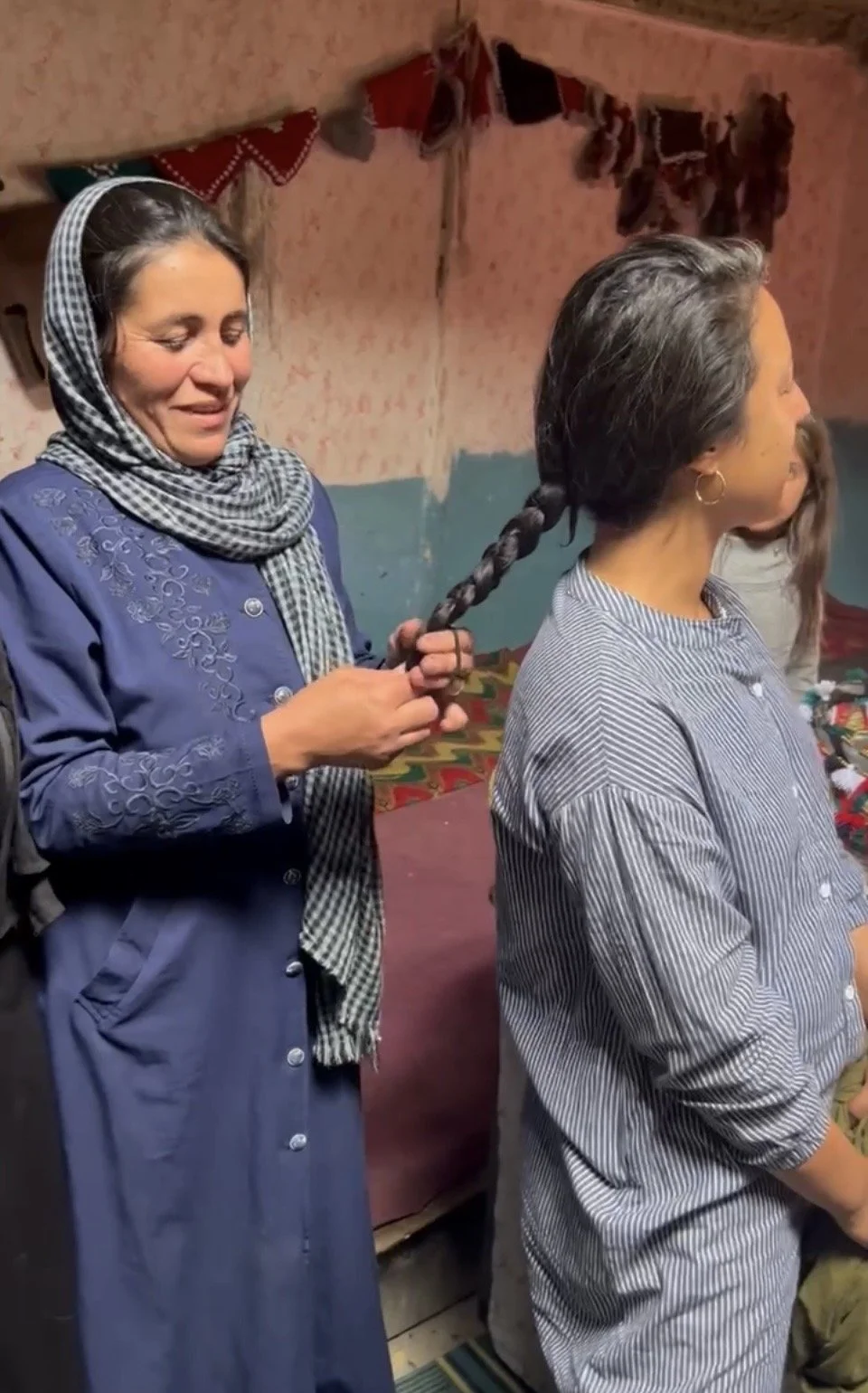
At Artijaan, we don’t claim to have the solutions. The challenges humanity faces are much too large and complex for any one institution to solve. But perhaps the women who sing over their food, who braid each other's hair, and laugh with their children offer us the wisdom we need to discern the way forward. A softer place for our weary, embattled souls to rest, and then rise to begin again. Craft and collective creation show us that there is inherent value in creating beauty, where the worth of one’s work does not solely depend on the outcome but on the experience of expression itself.
You may ask, when the pain of the world is so potent, how can we sing? When we witness the utter cruelty and injustice of power corrupted, how can we dance? To remain tender, open-hearted, and tuned to goodness in this current moment may seem misguided, improbable even. So, what are we to do?
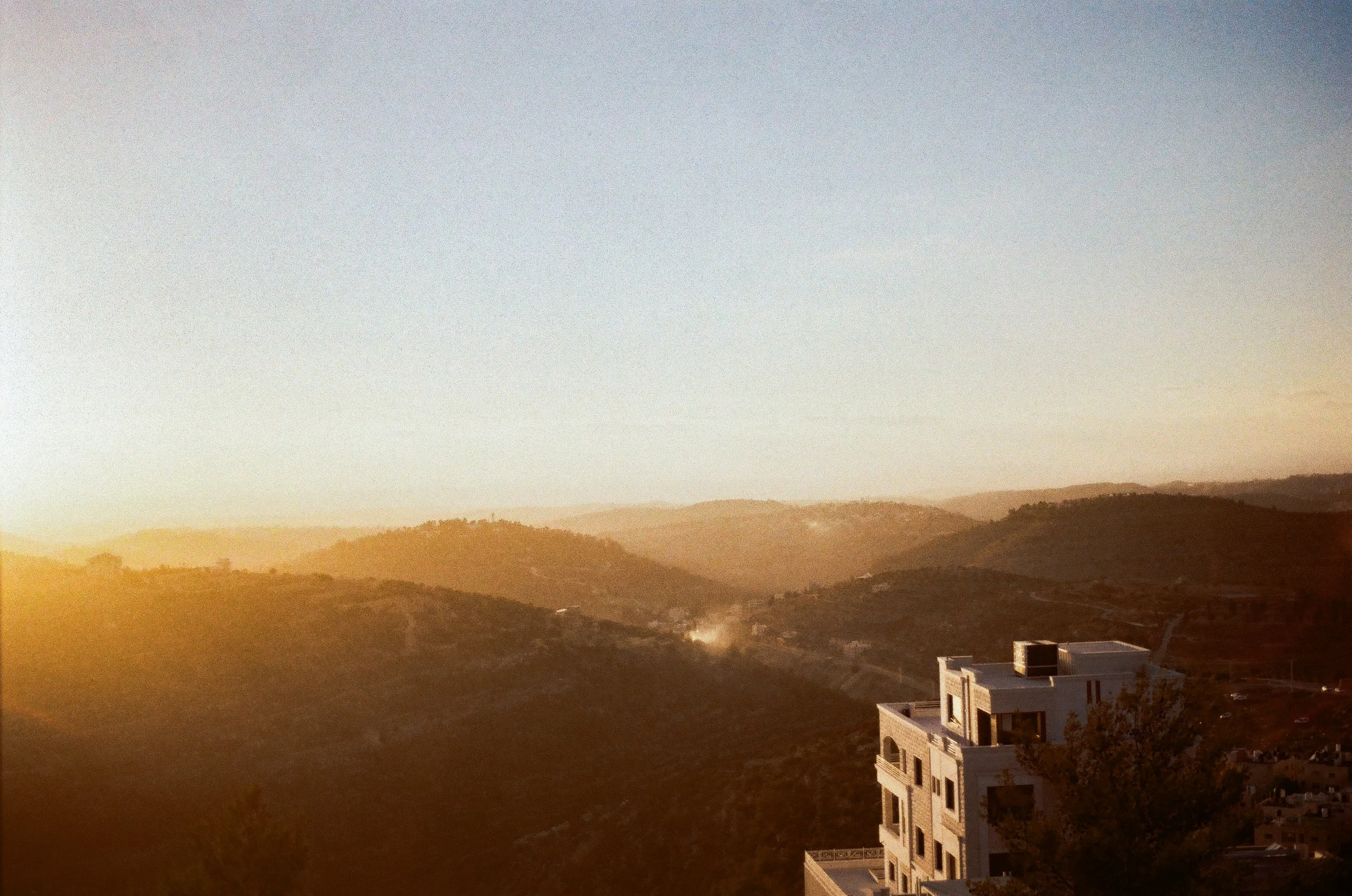
We sing and we dance anyway because it may be the very medicine we need. Perhaps it is how we can alchemize our collective grief and transform it into a force for renewal. For even after the darkness night comes the dawn, bright and radiant. May we cling to that promise and turn our faces skyward to herald in the new day.
❋
Belinda Idriss