Photo Essay: Afghan Oddities by Émile Drousie
Last year, French photographer and curator Émile Drousie traveled to Afghanistan, documenting his journey through images shaped by his observations and encounters with people he met along the way. Moving across several provinces, his work traces the textures of everyday life as it unfolds in a country navigating profound change.
In the following photo essay, Drousie captures the paradoxes that define Afghanistan today. A place where moments of normalcy exist alongside the lingering weight of more than four decades of conflict. What emerges is a portrait of familiarity juxtaposed with uncertainty, an Afghanistan in surreal flux.
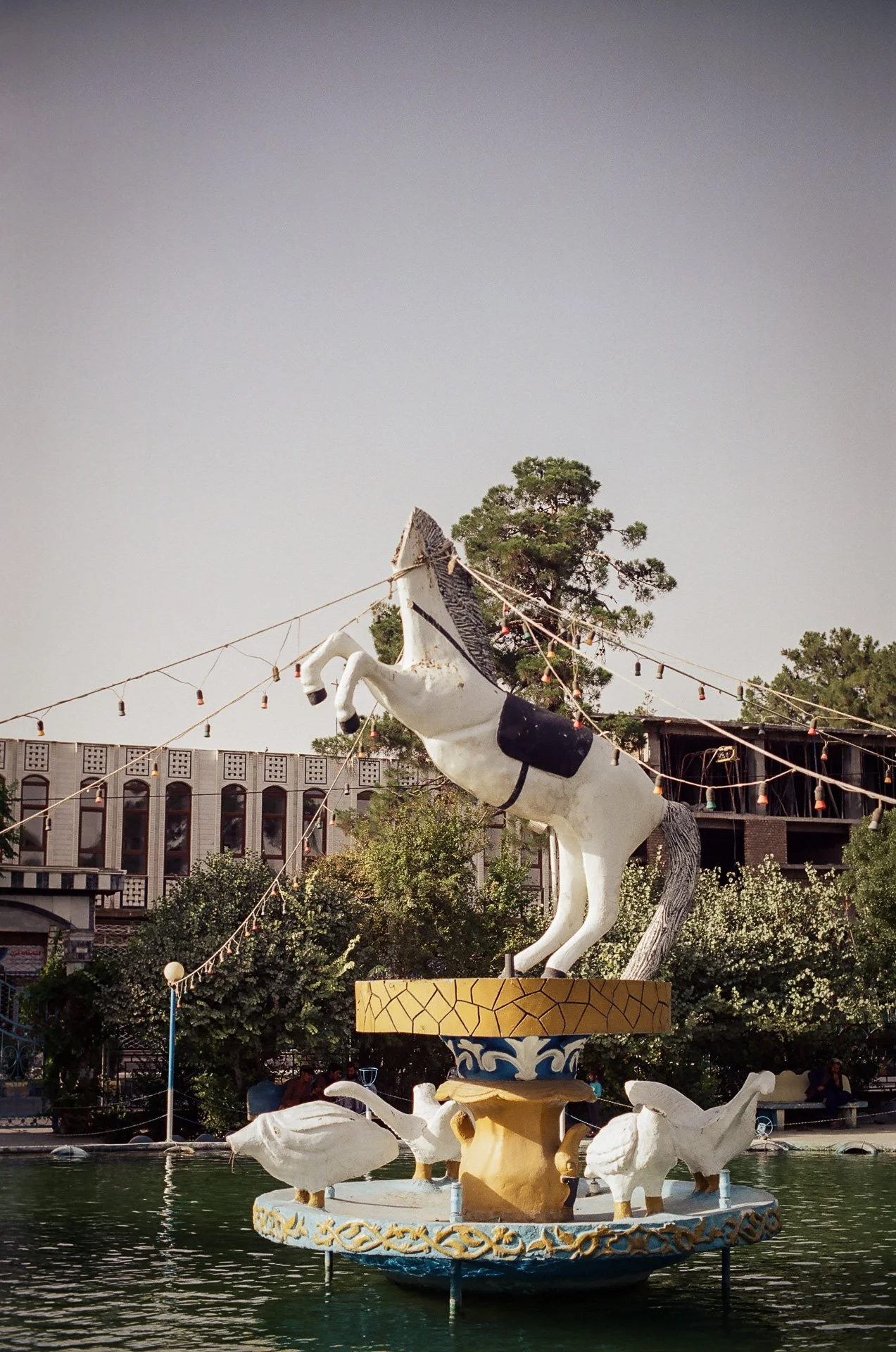
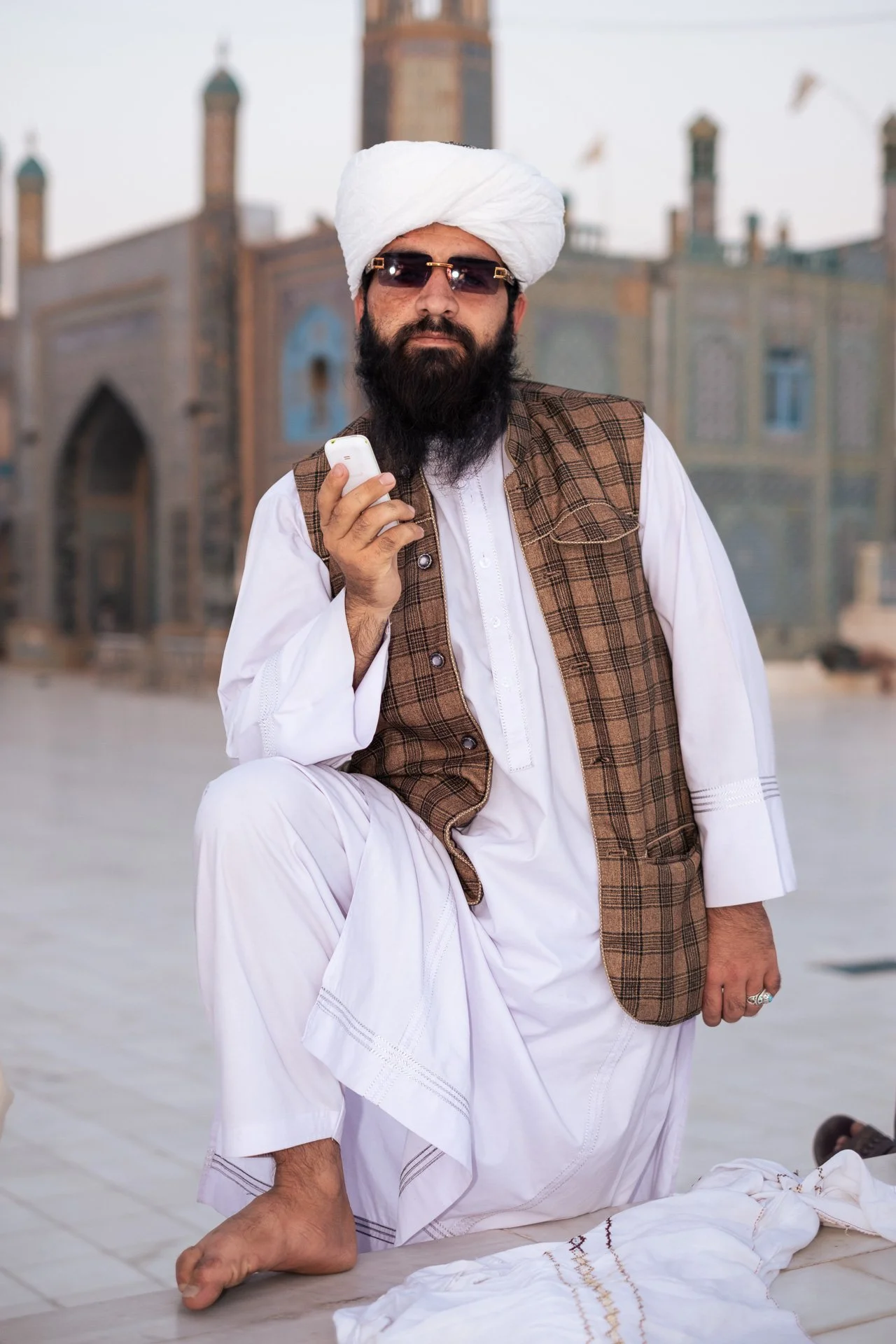
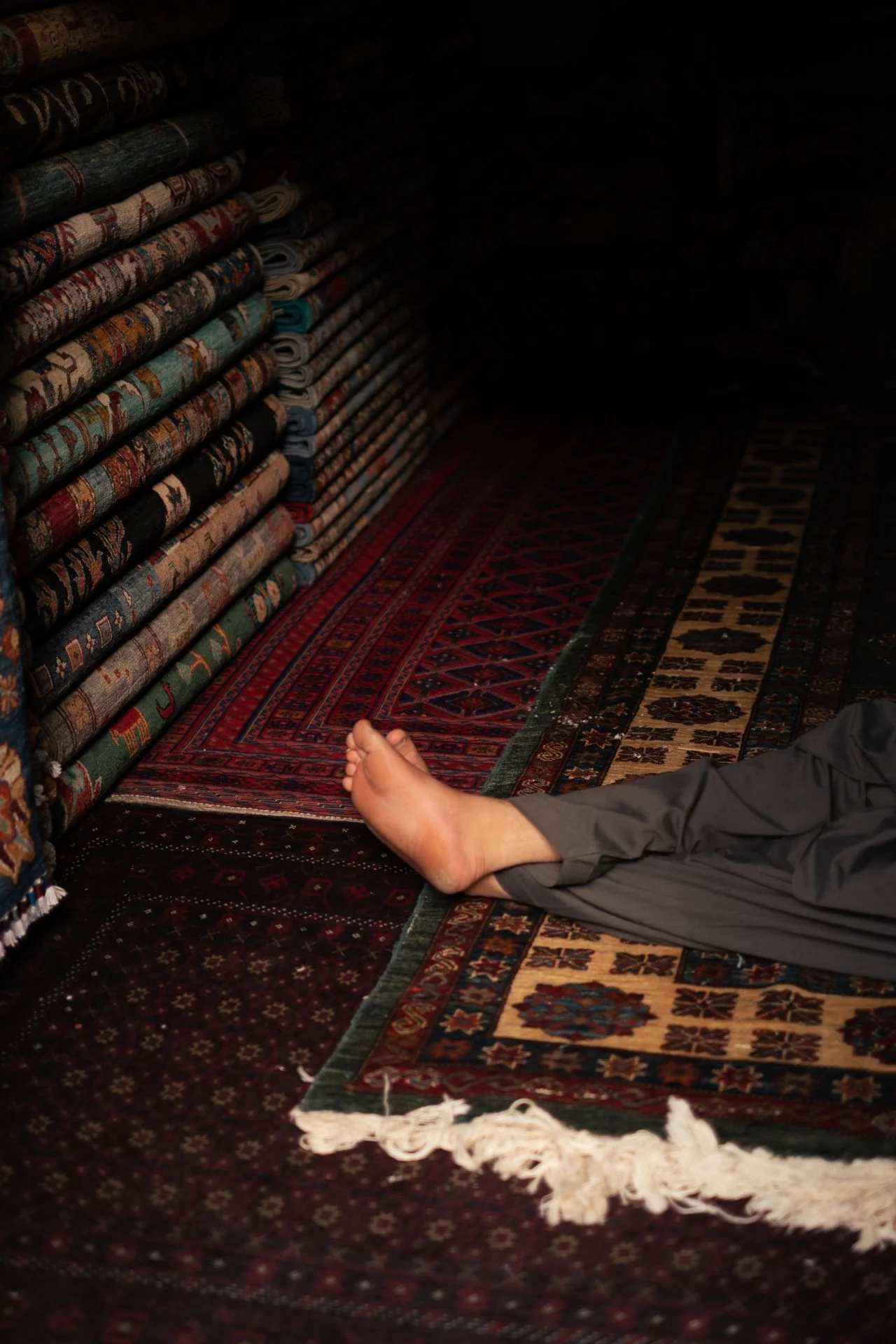
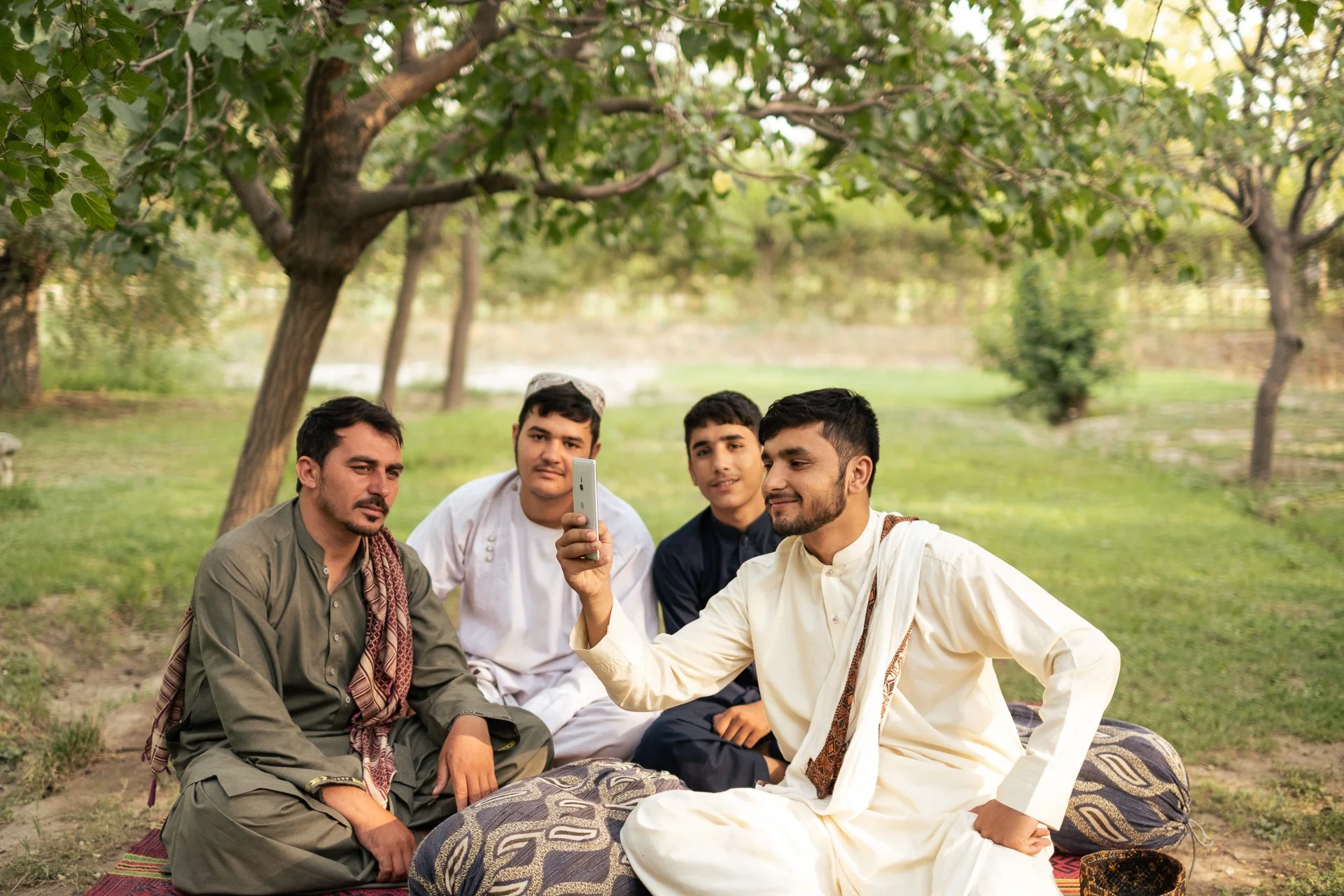
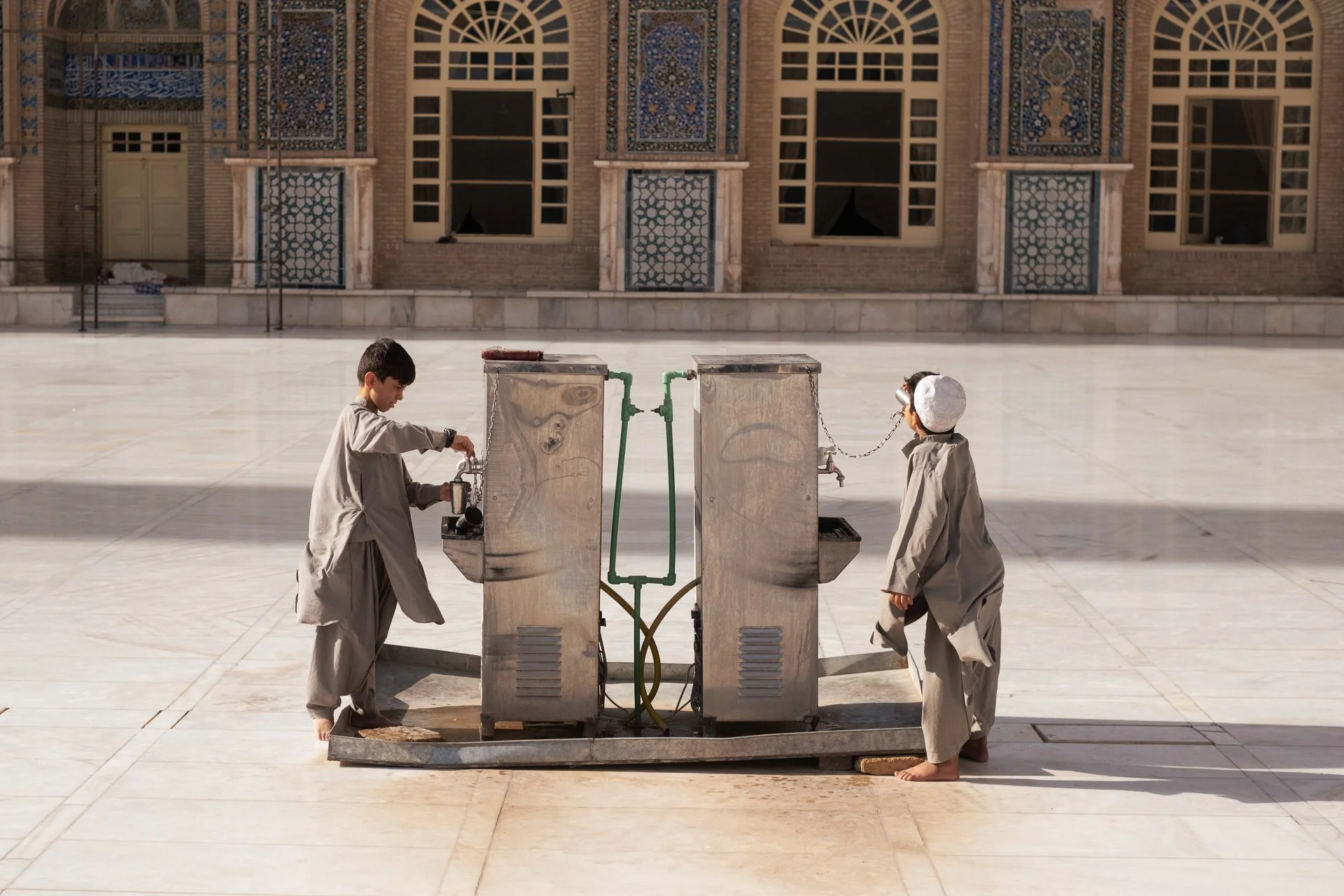
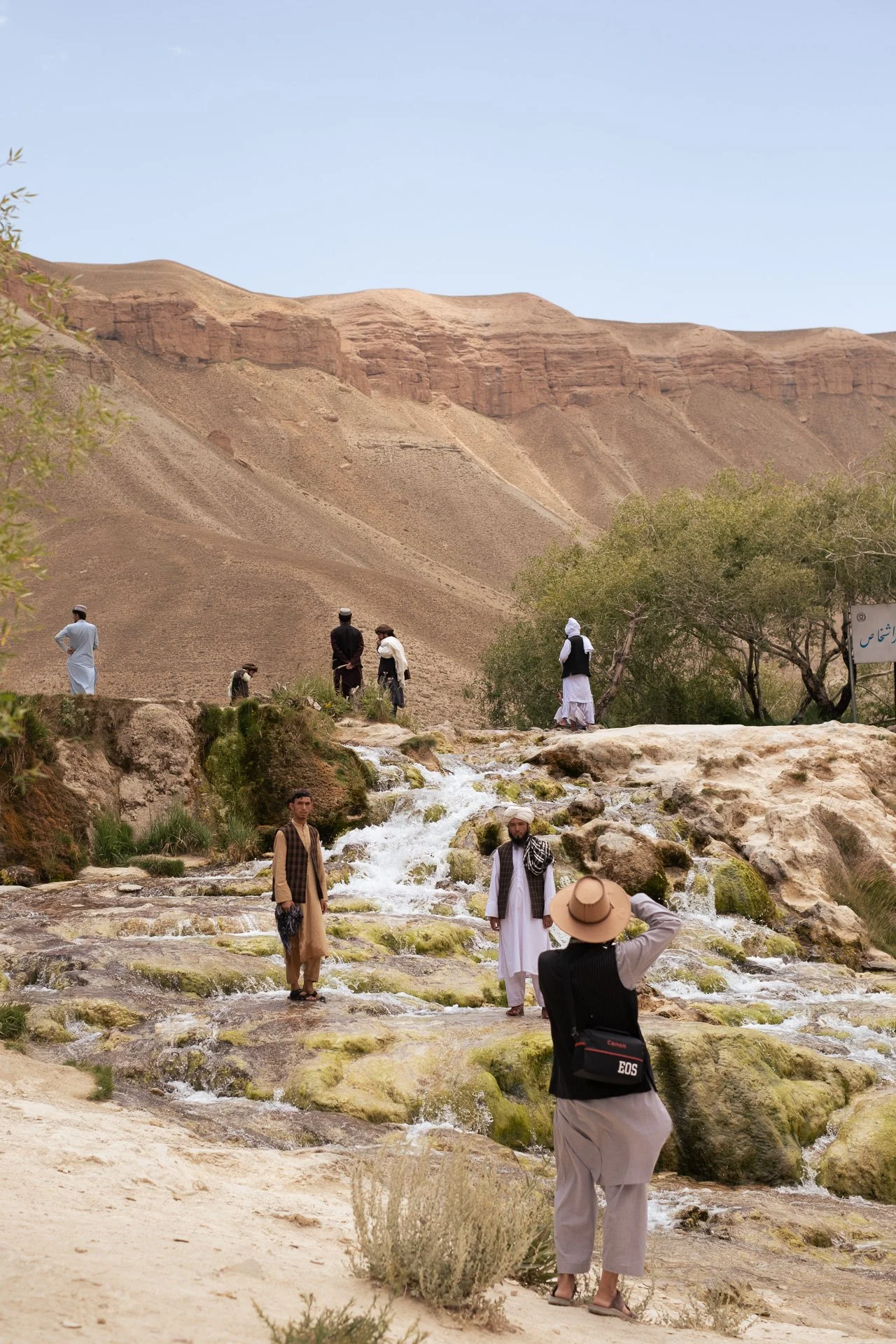
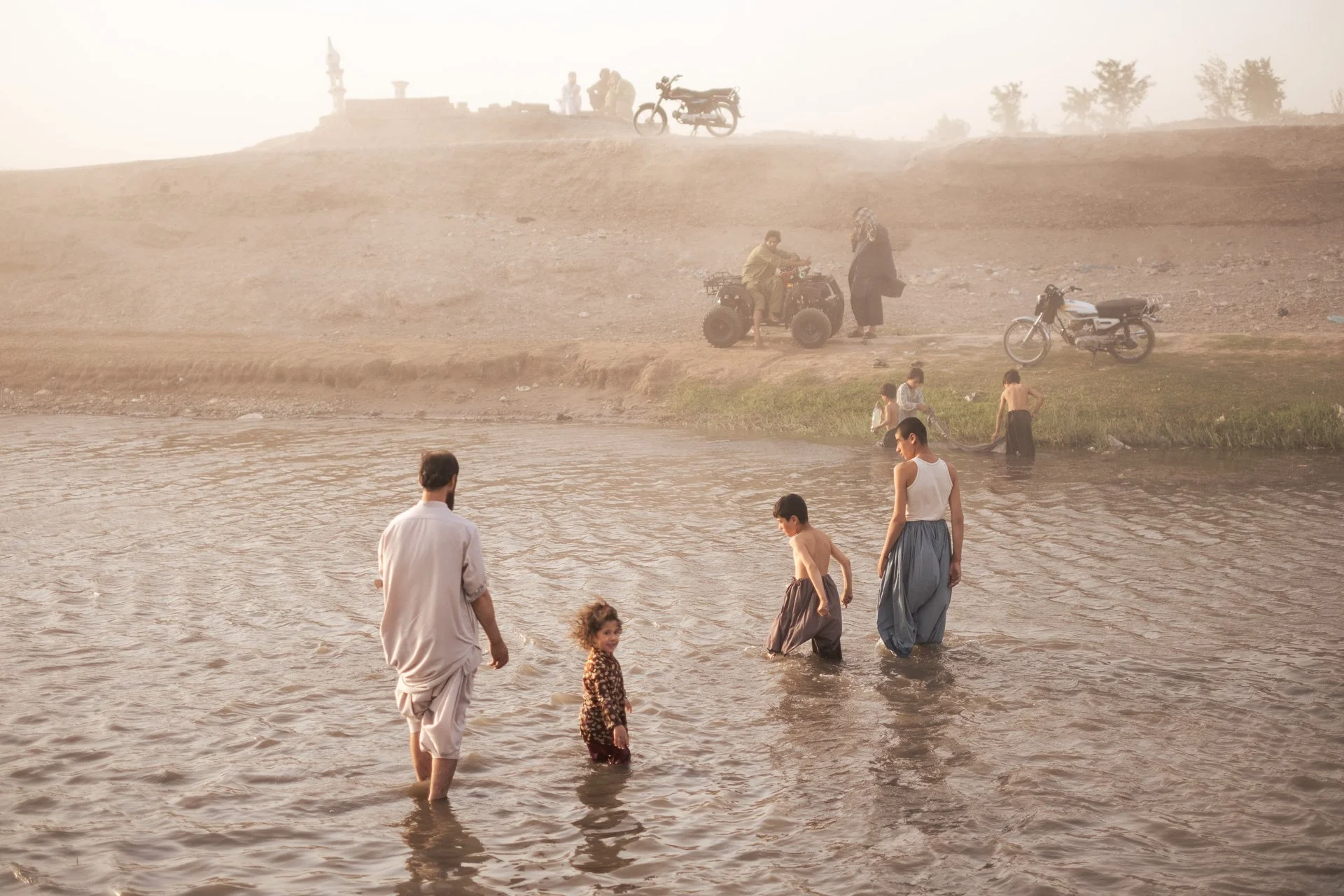
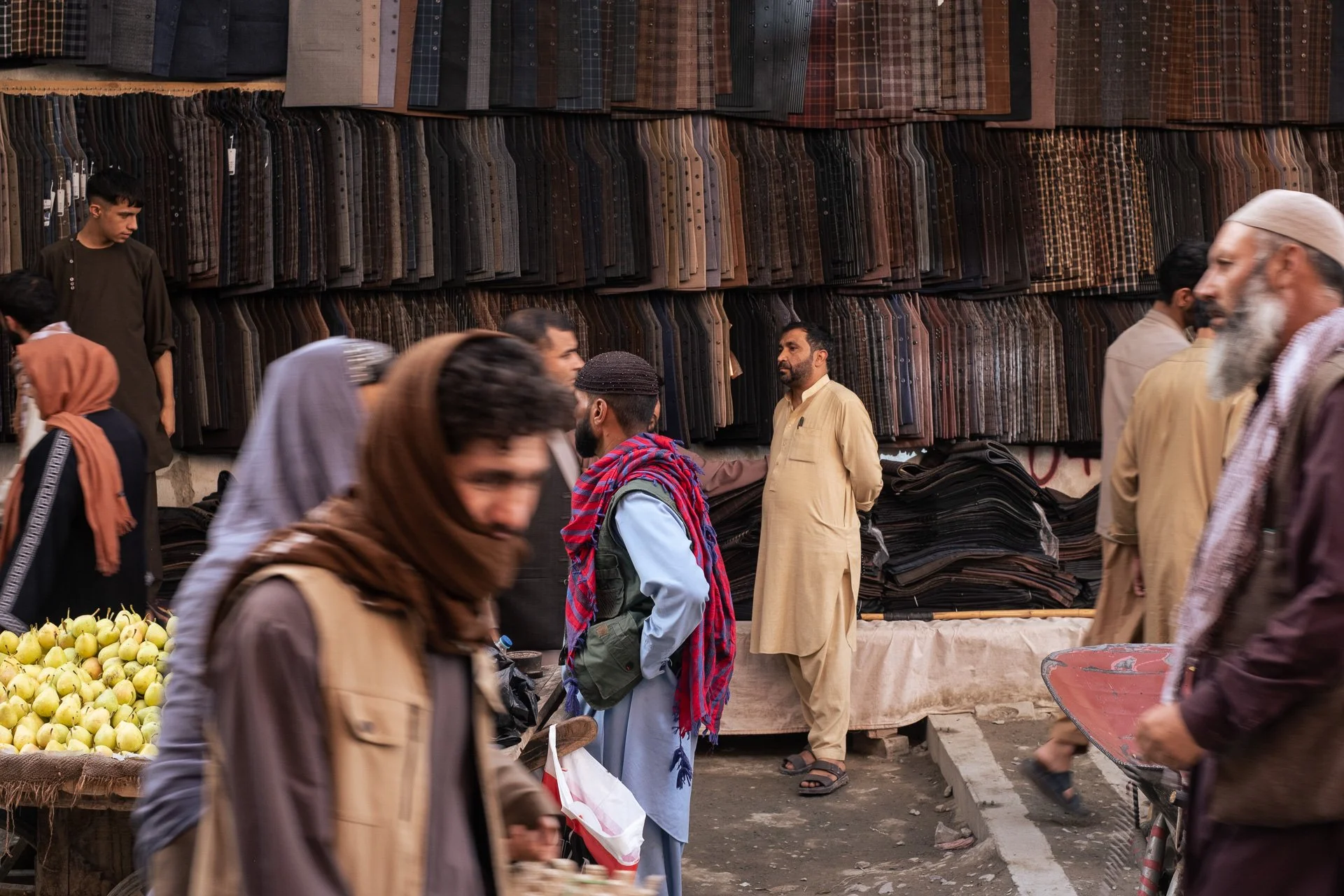
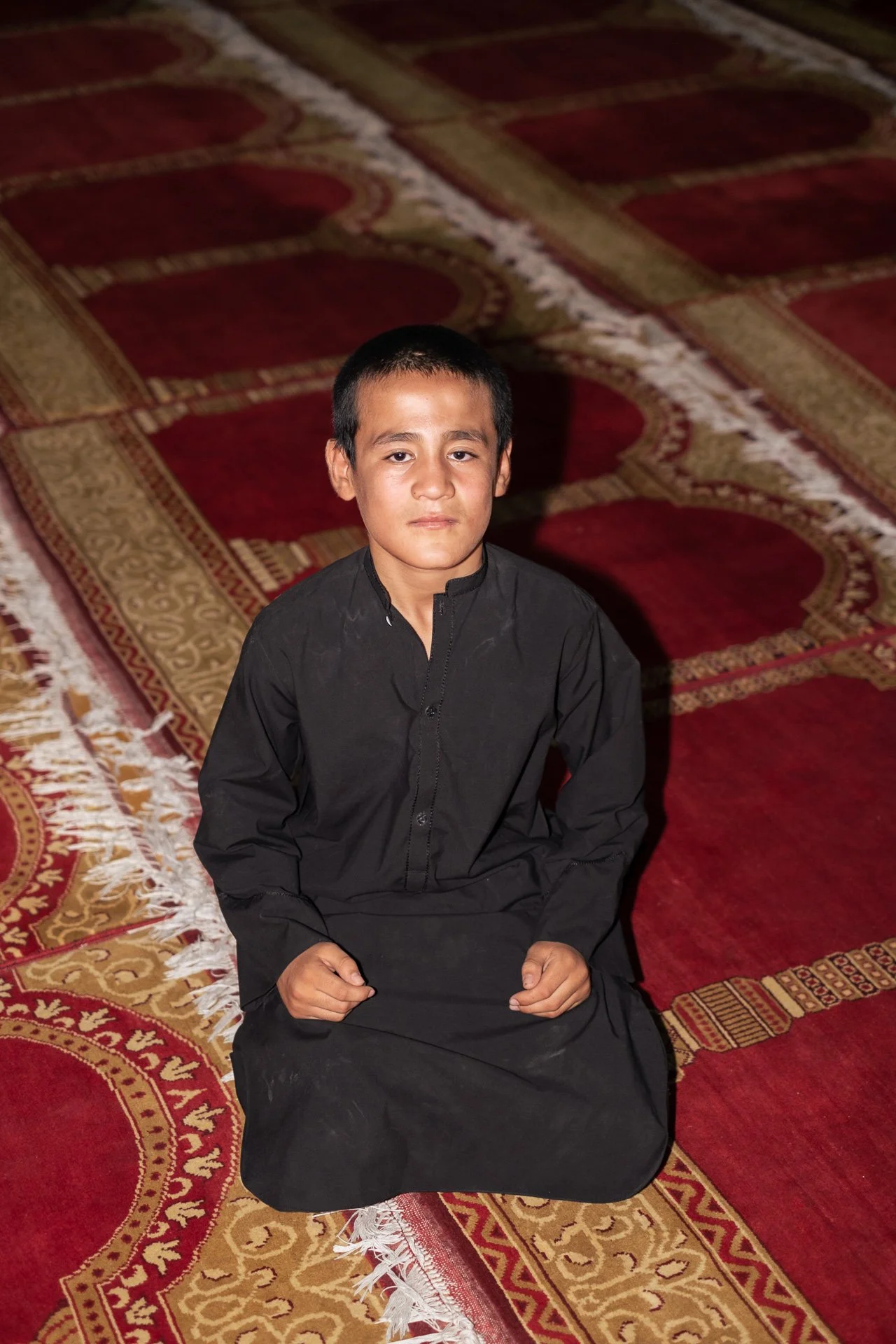
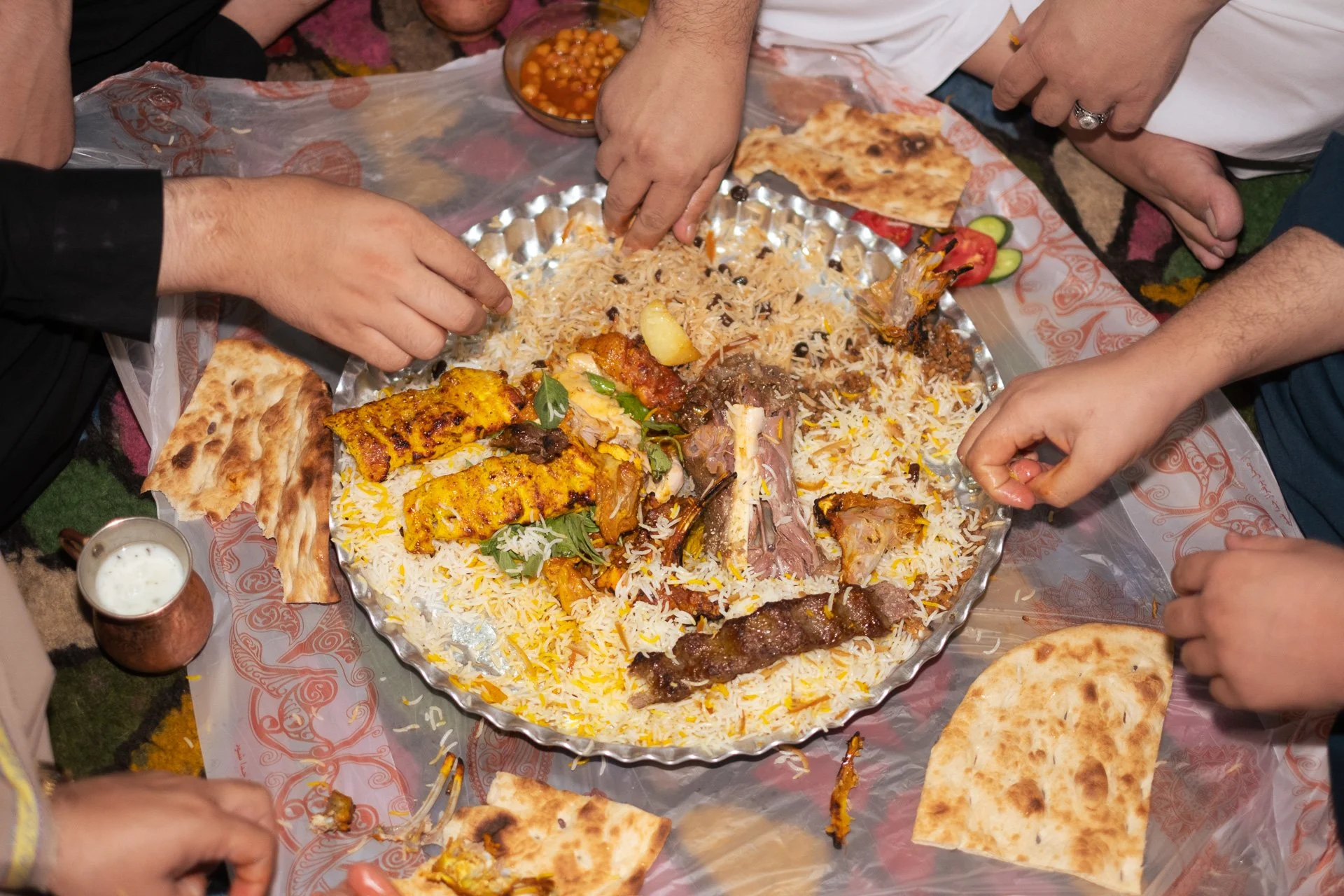
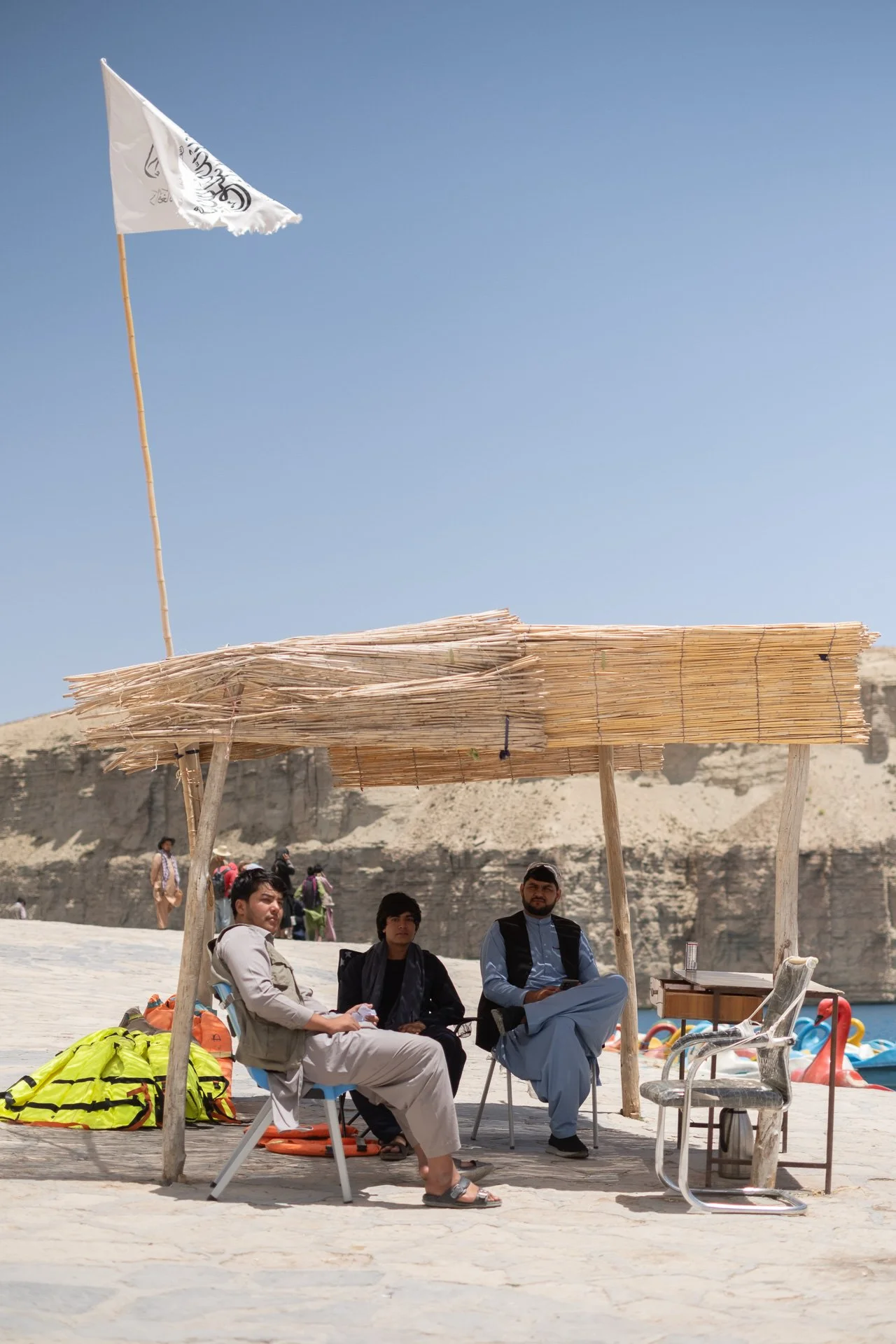
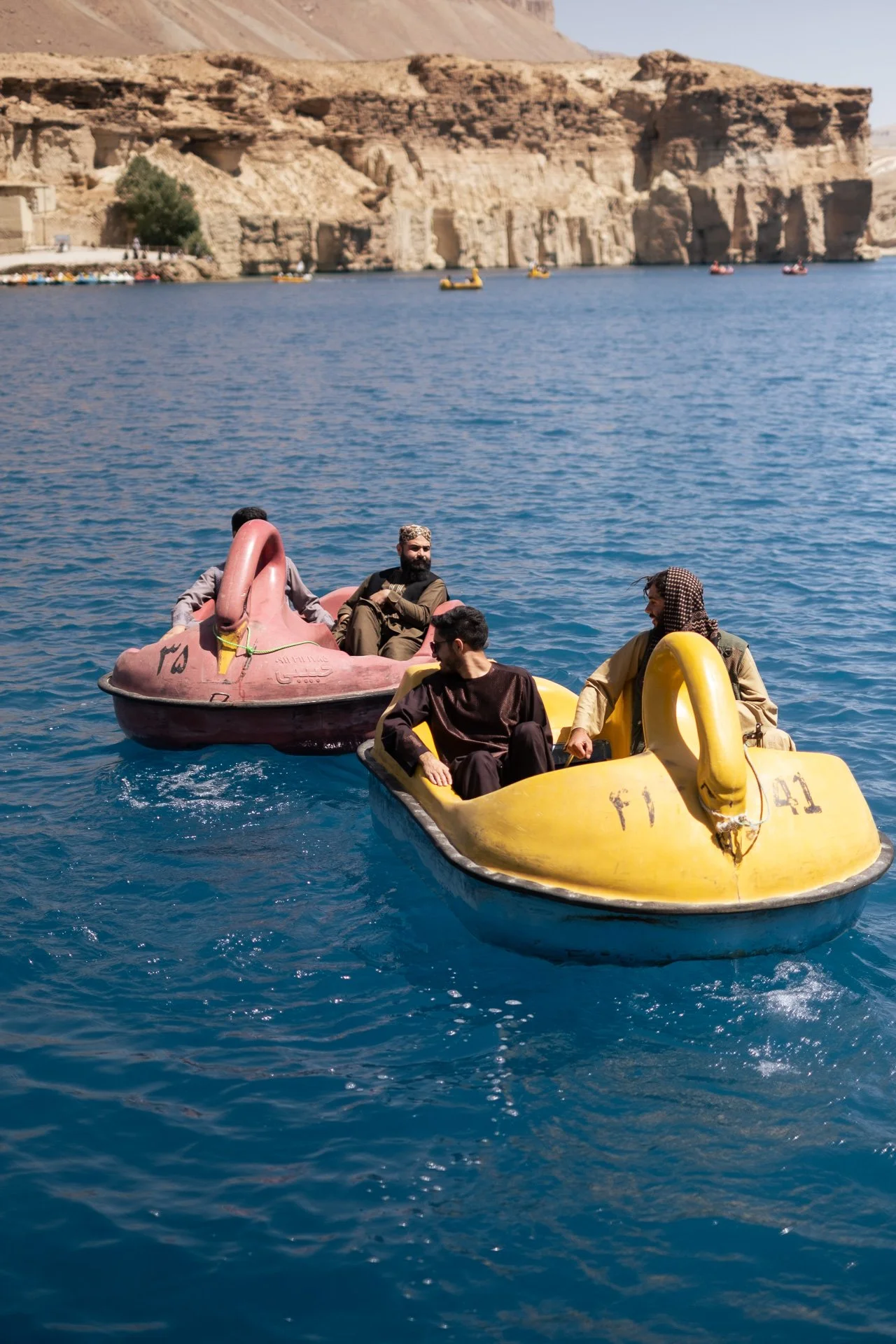
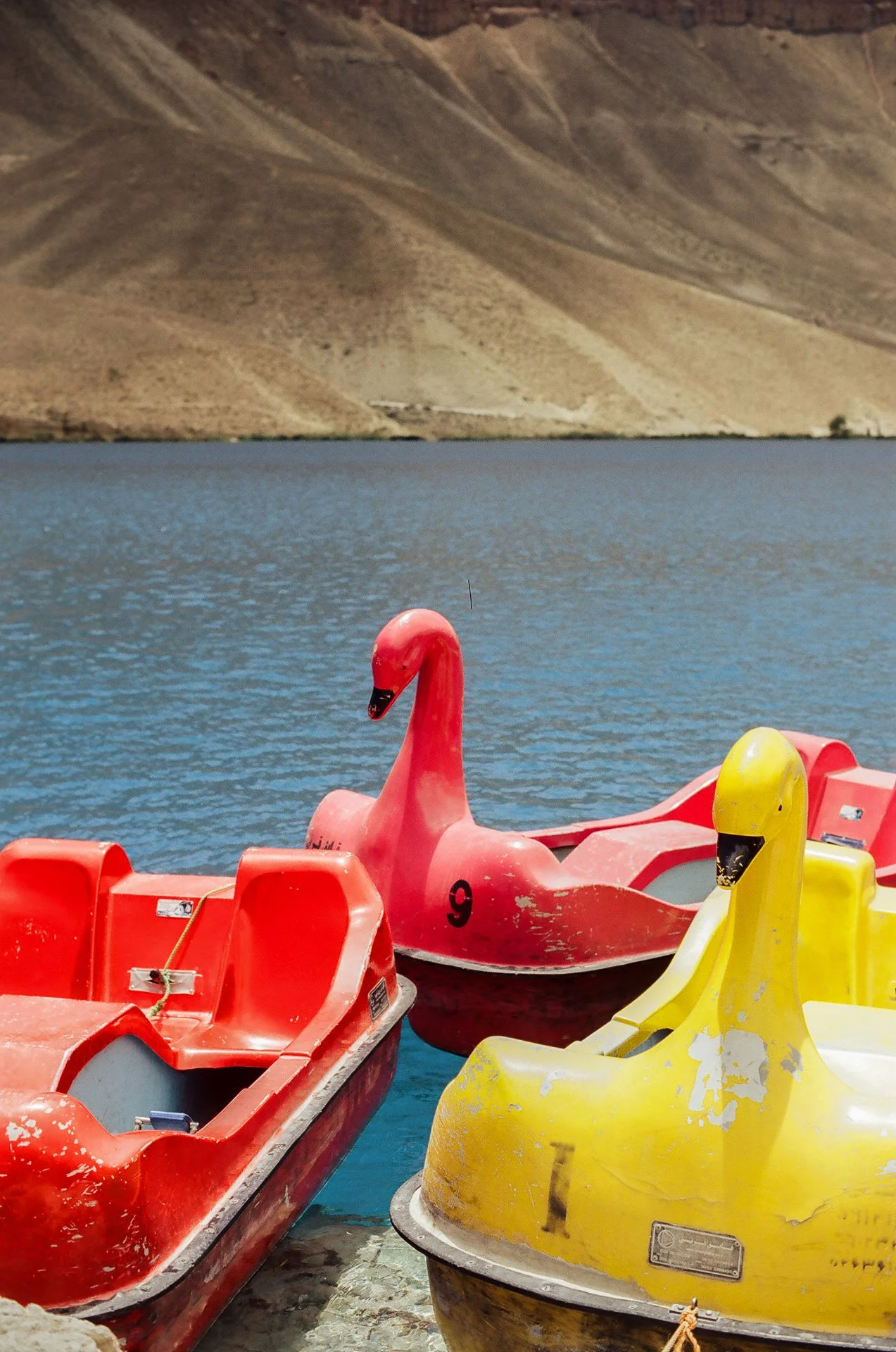
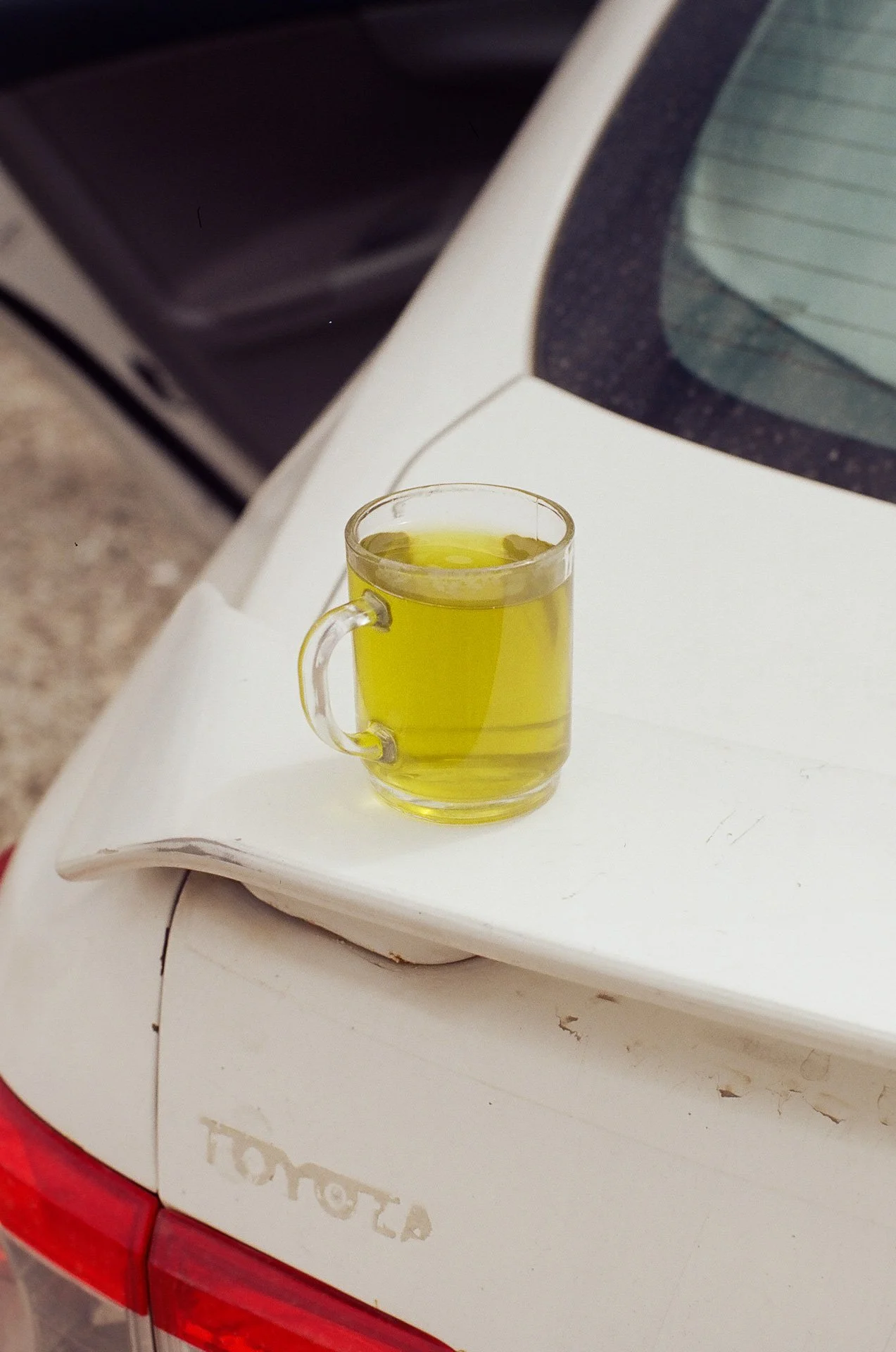
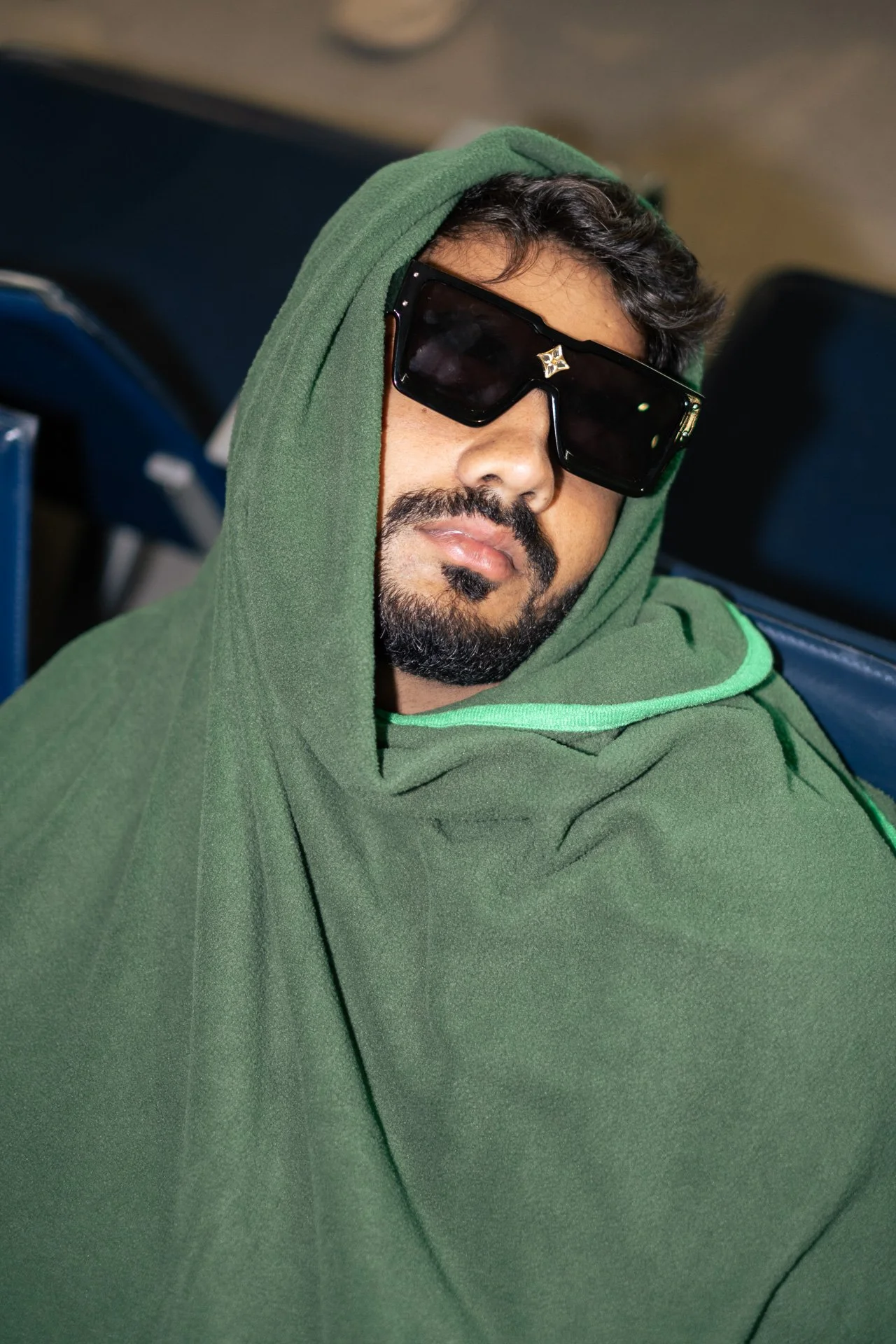
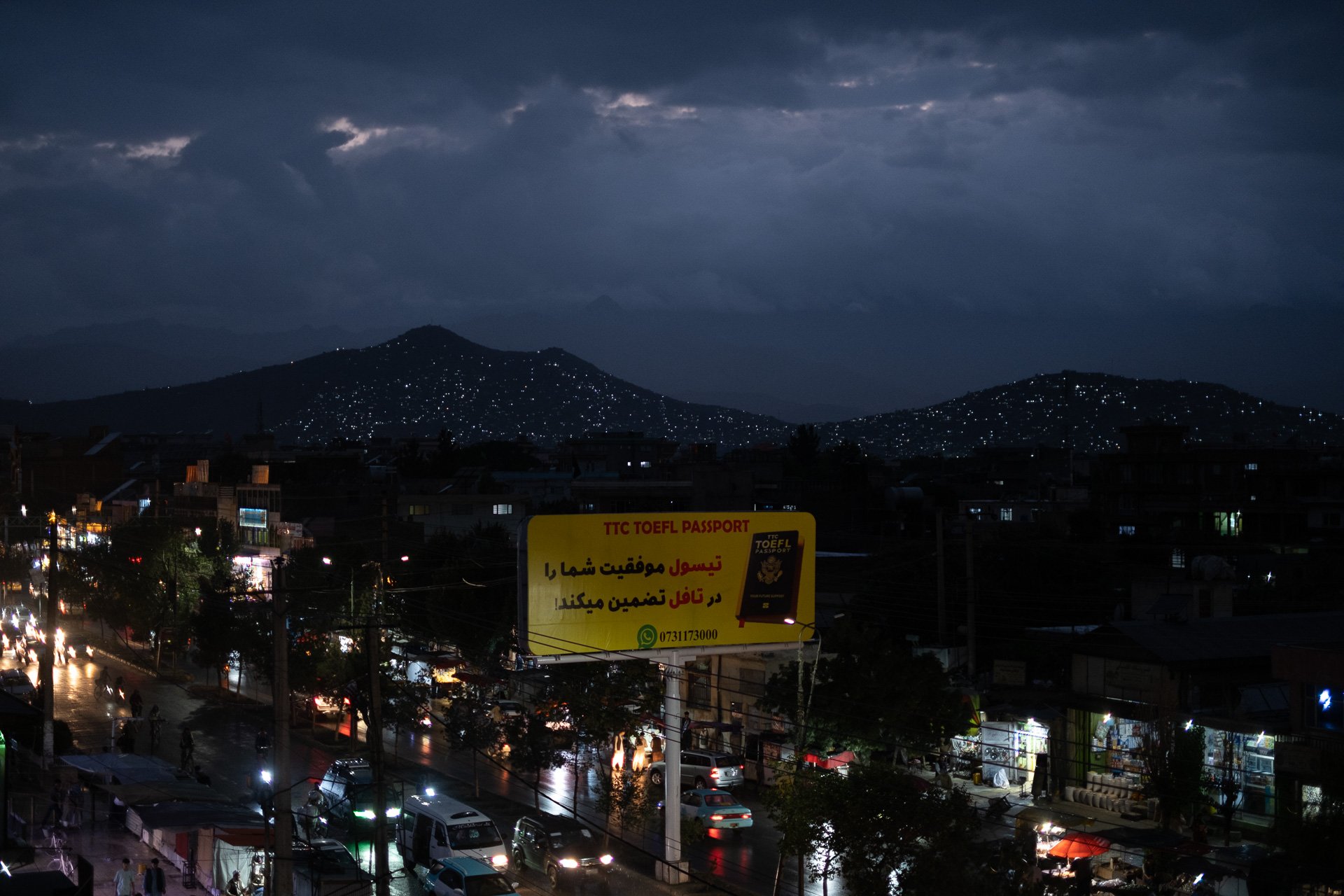
On the shores of Band-e Amir Lake in central Afghanistan, a family resettled in California enjoys a lunchtime picnic, some cool water, and a few weeks of vacation back home. In the heat of the afternoon, as blazing air and sunlight flood the streets of Herat’s Old City, men of all ages nap in the shade of the Kherqa Mubarak Mosque. Down a dusty road of Faryab Province, somewhere between Andkhoy and Maimana, the notes of a Tajik song lull the five passengers of a shared taxi to sleep. In a 16th-century Moghol garden of Kabul, five young men from Kandahar share a cup of tea nestled among pomegranate trees. At 6 p.m., on Wazir Akbar Khan Hill, in the eastern part of the capital, officials of the new regime share a slice of watermelon, sitting by rosebeds, cross-legged beneath a massive Taliban flag flapping in the wind. In the east of Afghanistan, as night falls on the Band-e Sabzak pass, travelers stop for the last prayer of the day, and bend, silently, facing the mountains.
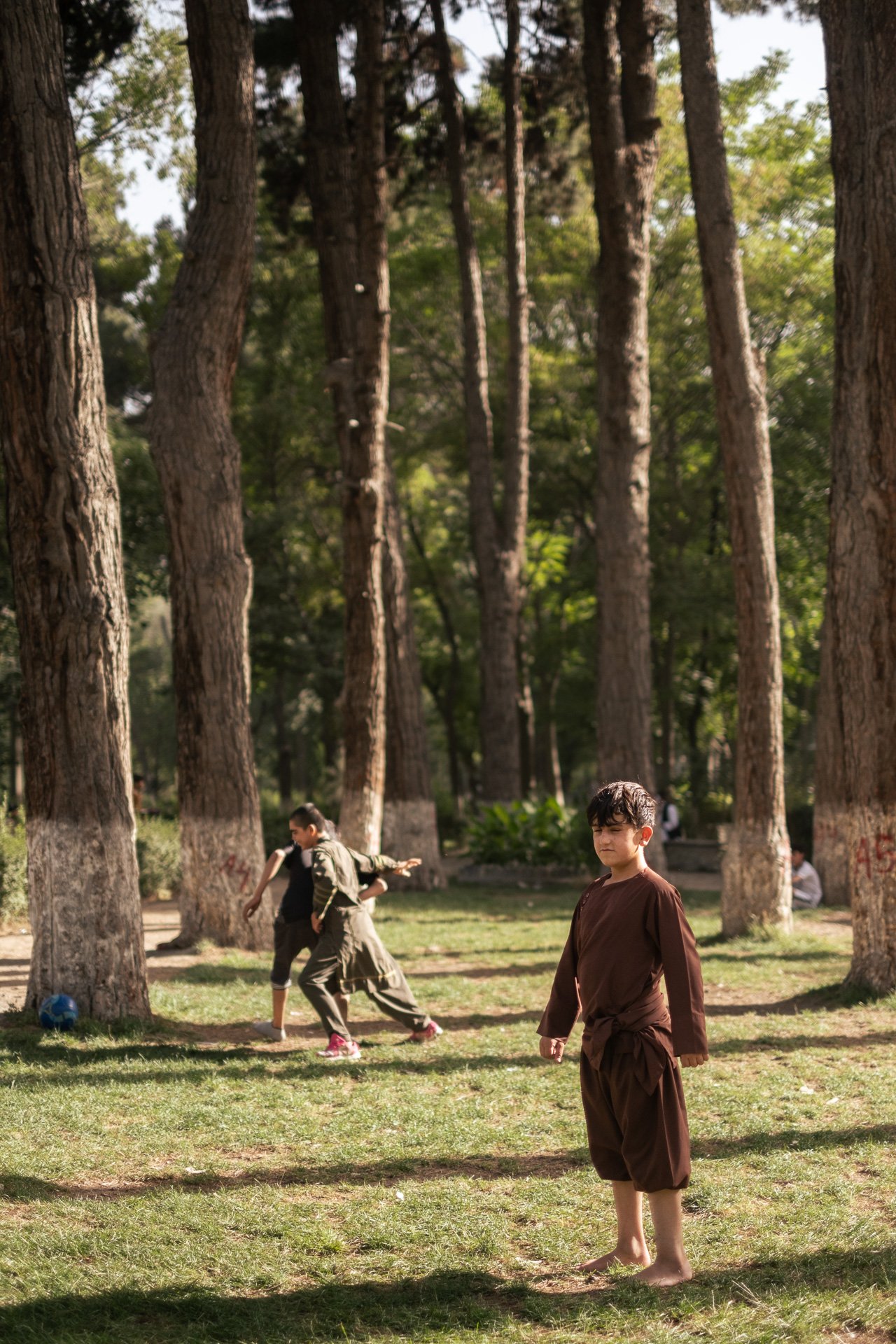
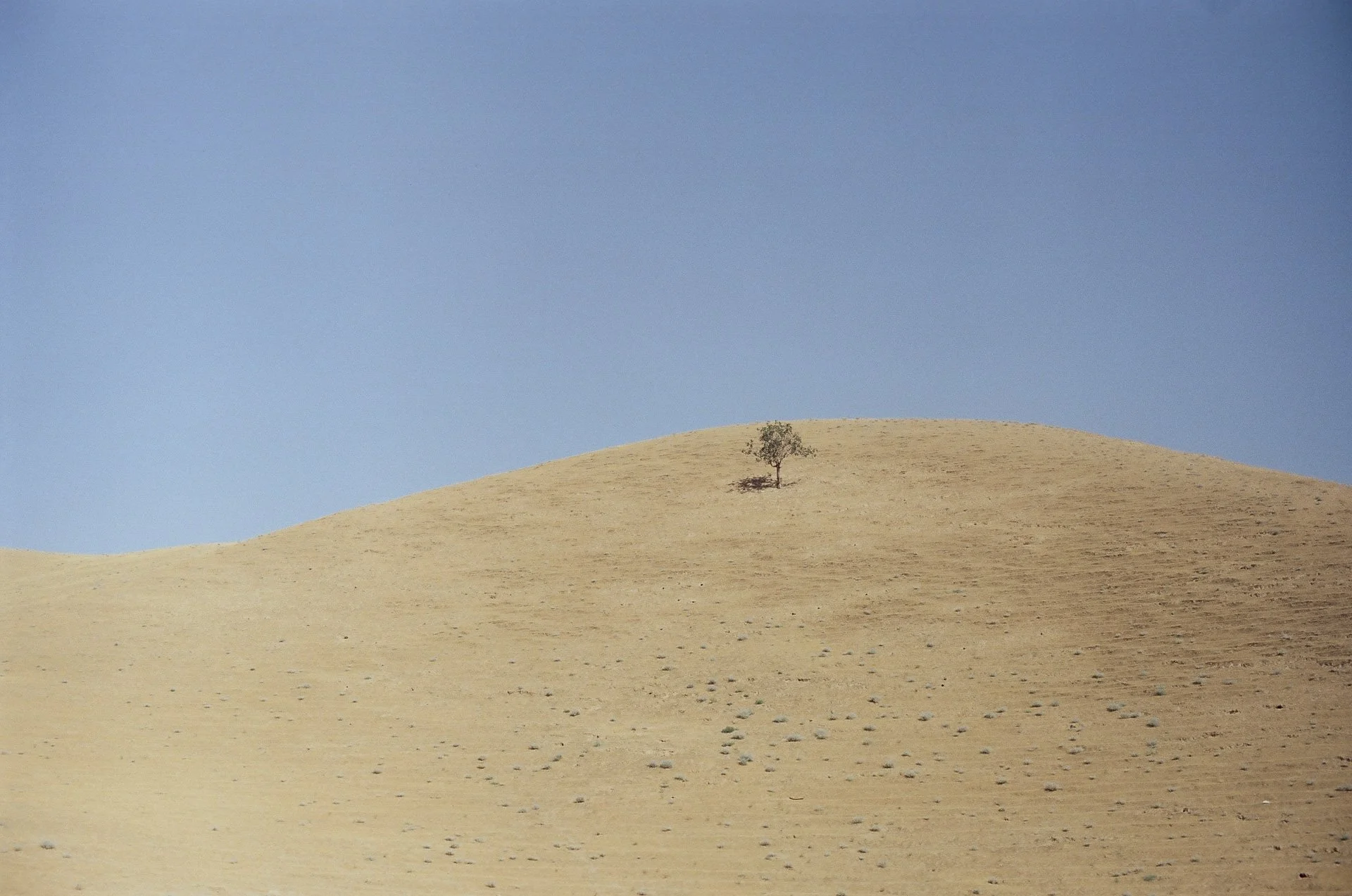
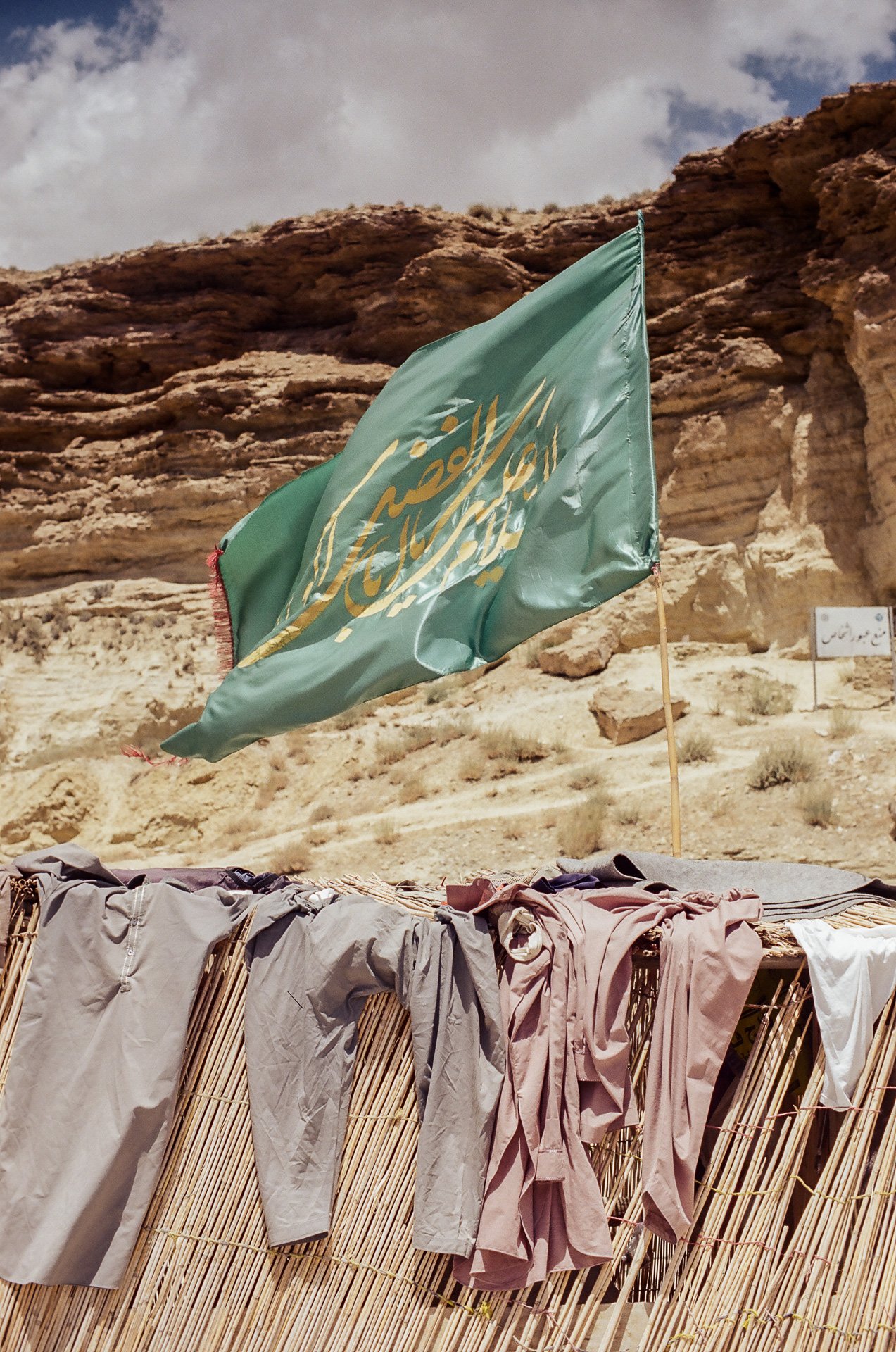
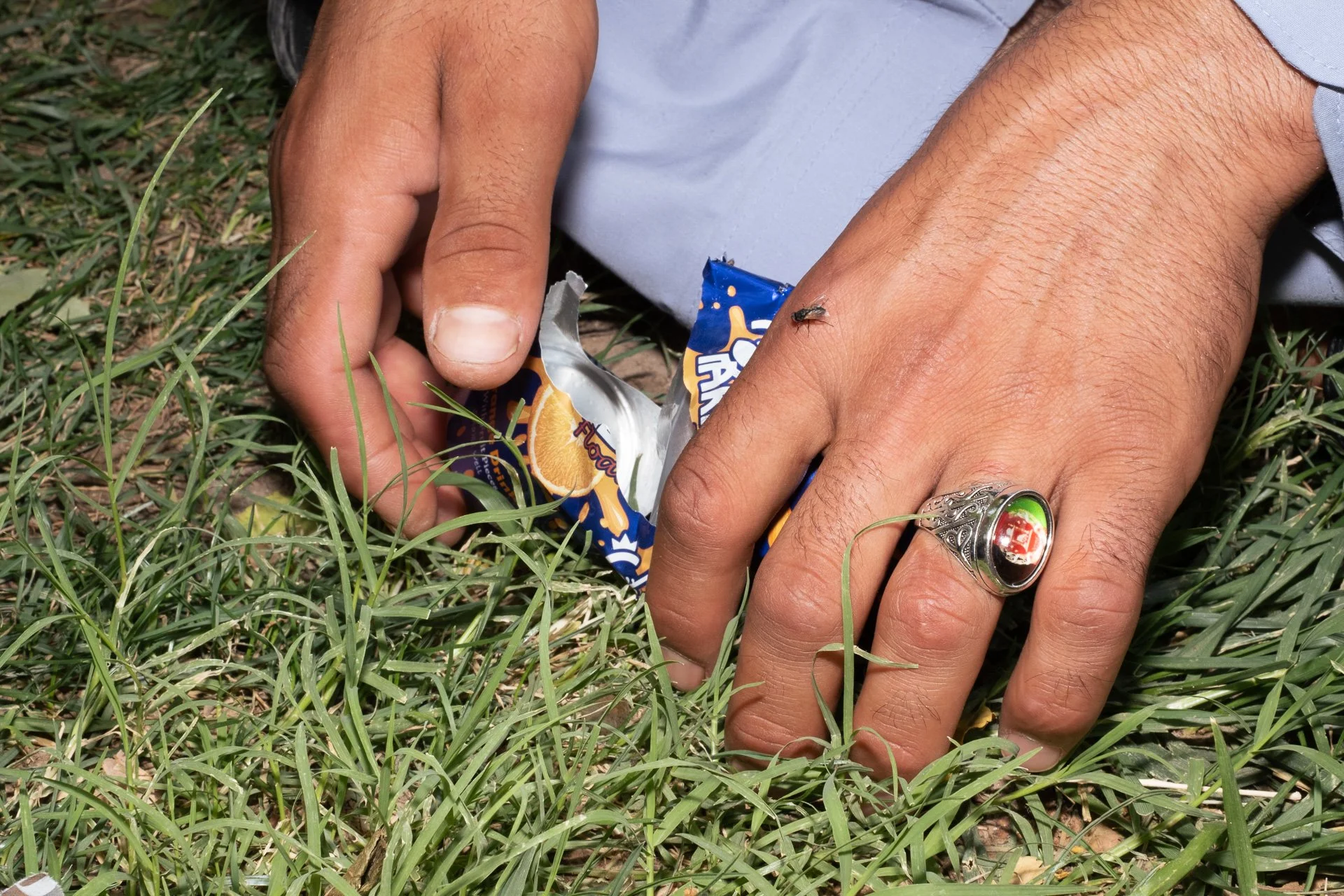
A recollection of mundane moments in 2025 Afghanistan, this photo essay aims at capturing a “new normal”. It sets the stage for an absurd play, where opposites are often forced into dialogue: the ordinary and the extraordinary, the beautiful and the unsettling, the frivolous and the anxious.
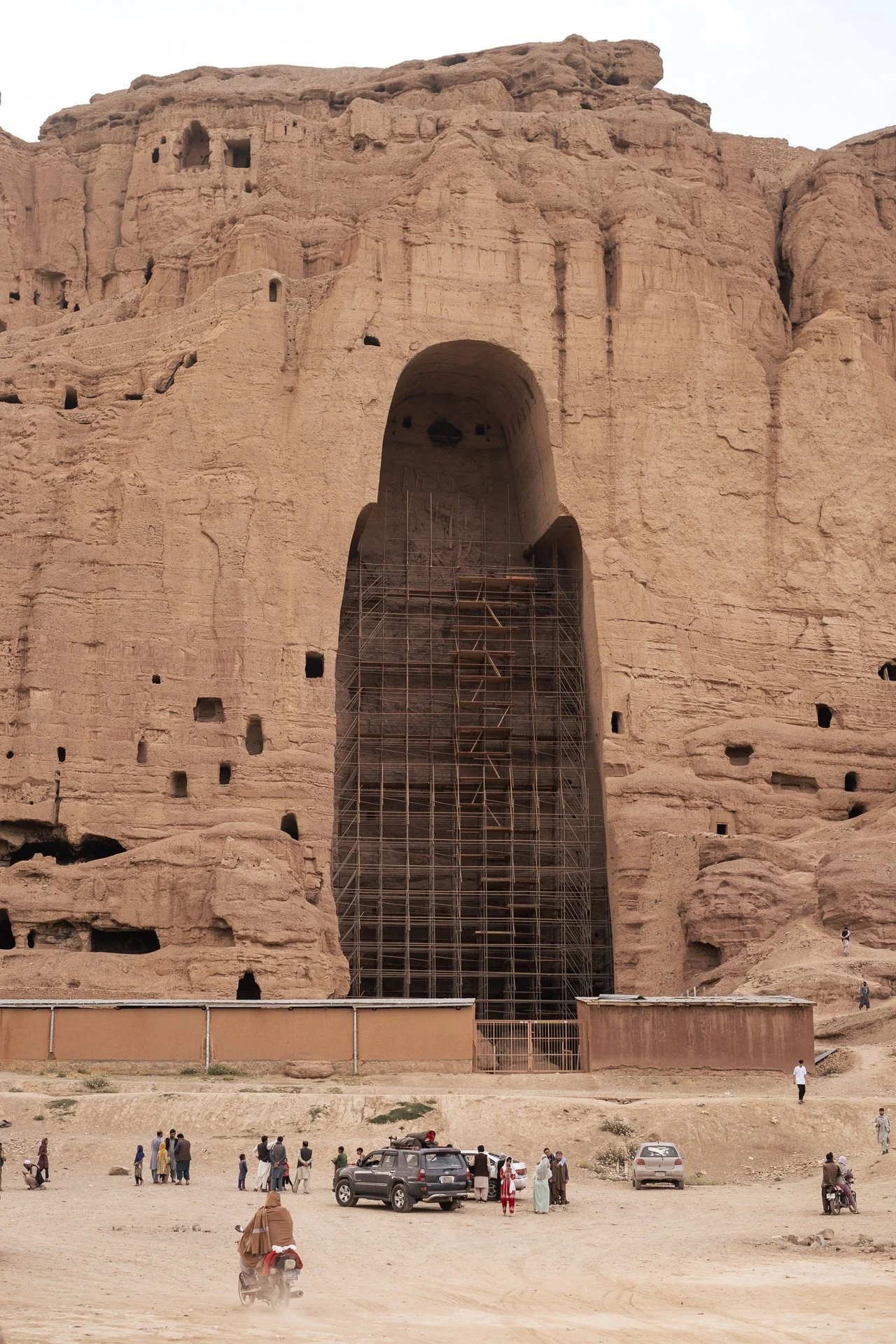
Surveillance drones no longer fly over cities in Afghanistan. Blasts have become rare, and fighting has ceased. In the blink of an eye, perilous roads have turned safe again, alive with travelers trading, eating, praying, and playing as they move freely from one town to the next. For the first time in decades, some are crisscrossing Afghanistan, traveling the roads of their own country that for many years were inaccessible to them. They visit visiting and praying at the Great Blue Mosque of Mazar-e Sharif, wander the the hills of Kabul, pose by the Buddhas of Bamiyan, and enjoy the cool and clear waters of the Band-e Amir lakes.
The Taliban’s return to power in 2021 and the departure of Western forces marked the end of a forty-year cycle of war and violence. The small pleasures of daily life now enjoyed by some harshly contrast with the scars of violence, the systemic exclusion of women, the ravages of poverty, and the necessity of migration.
Across the country, landscapes are barred with the visible scars of decades of violence: in the Northern city of Samangan, a police station riddled with bullet impacts; in the Wardak Valley, west of Kabul, a roadway devastated by twenty years of IED explosions; in the heart of the capital, gigantic antiblast concrete walls sprinkled around town. At every checkpoint, one can meet the bizarre sight of Taliban fighters parading, riding on or standing by American military vehicles, seeing while being seen, constantly reminding everyone of the new nature of power wherein political legitimacy directly stems from the ability to guarantee basic security.
In the meantime, neighboring Iran and Pakistan are expelling en masse Afghan individuals and families who have been established there for decades. The bus stations of Herat and Kabul are filled with thousands of returnees, forcibly brought back “home”.
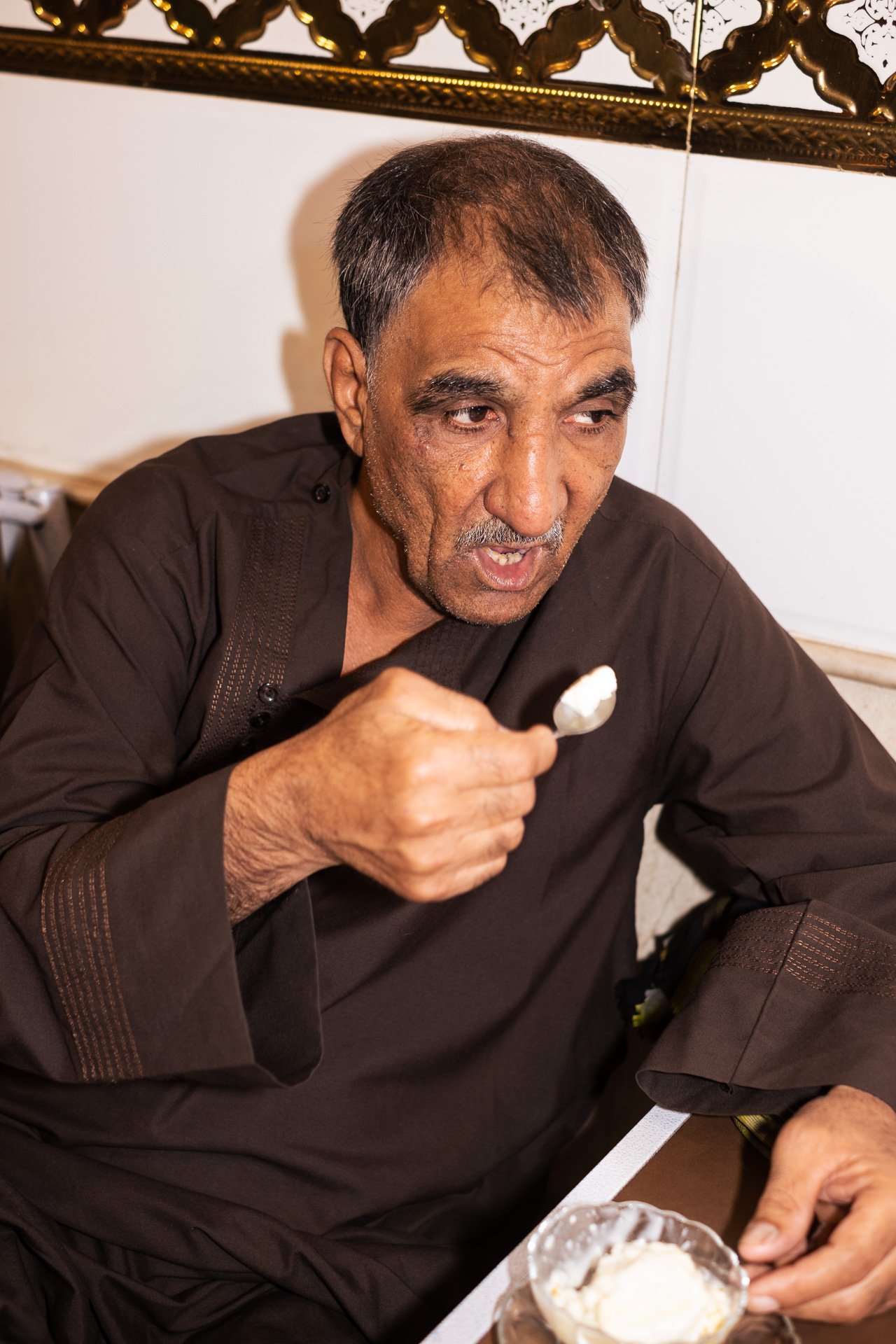
In downtown Herat, a young man, aged 22, arrested at his workplace in Iran nine days ago then deported, was lucky enough to be hired at Haji Ghulam Sakhi ice cream shop. As he stands idle and pensive by the shop’s entrance, a lone customer sitting in the male section quietly enjoys his shiryakh. Amid uncertain futures, life goes on. Rickshaws keep passing in front of the shop.
Night is melting on Herat city.