“We Fell From the Sky to the Ground”: Five Years Under Taliban Rule
Imagine a world where you haven't been to school in more than 1,800 days.
Imagine being told that you cannot speak in public or even sing within your own home because your voice is a crime.
Imagine watching from behind closed windows while others enjoy a sunny afternoon in the park, because your freedom to exist in public has been taken away.
Imagine falling ill or giving birth, knowing there may soon be no woman left to treat you because women are prevented from becoming tomorrow's doctors, nurses, and midwives.
Imagine being denied the ability to vote or hold public office, knowing you have no power to change the laws shaping your future.
Imagine training for years to excel at the sport you love, only to be told you can never play again.
Imagine your dreams ending before they begin.
No education
No career
No self-expression
No freedom
Just because you are a girl.
For millions of women and girls in Afghanistan, this isn't imagination. Five years after the Taliban's return to power, this is everyday life.
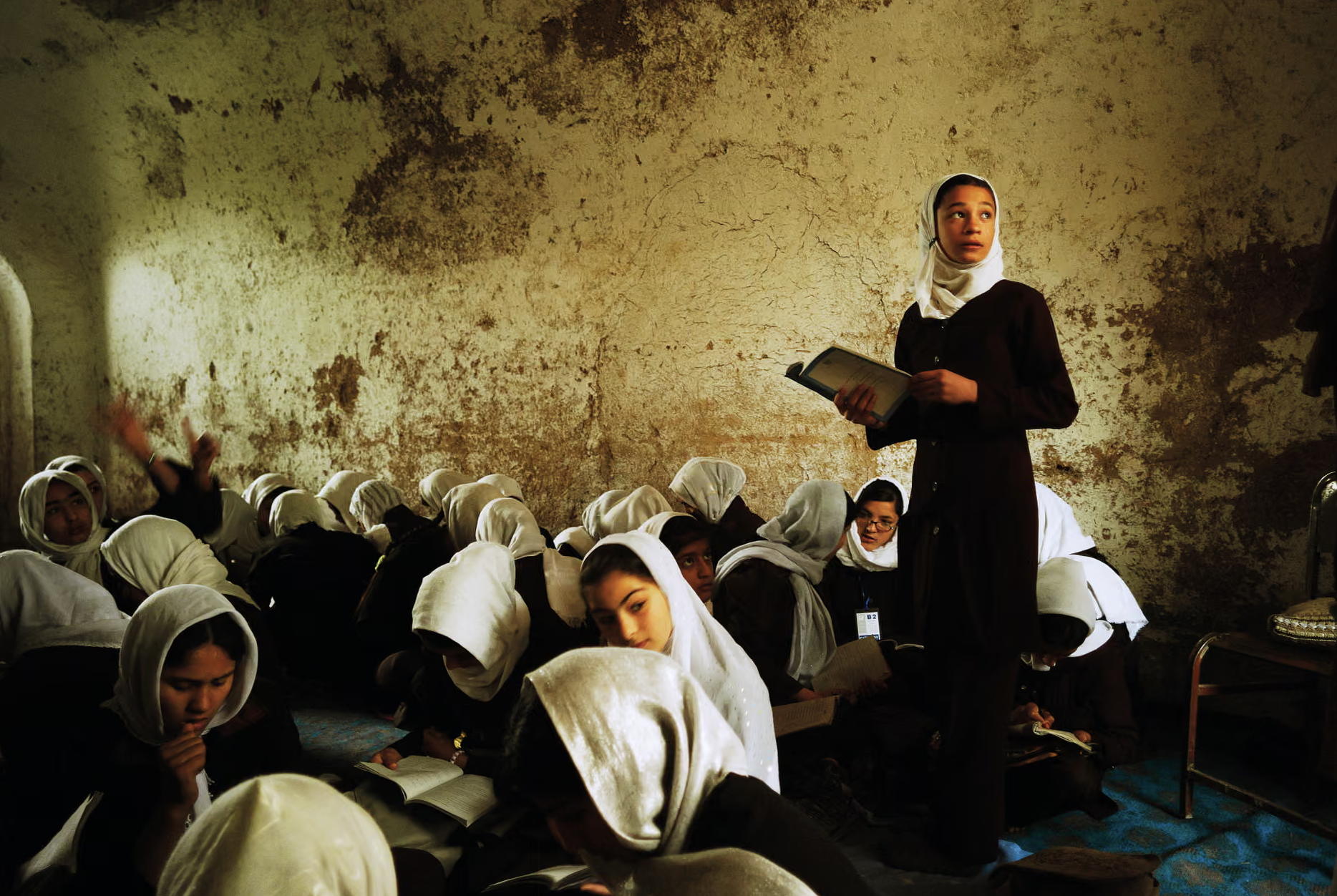
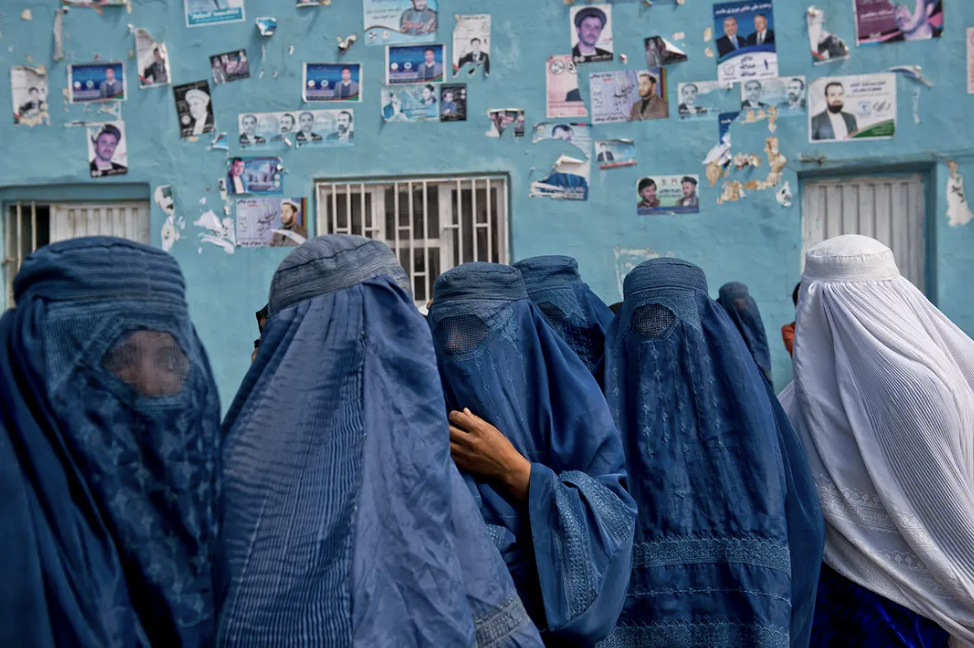
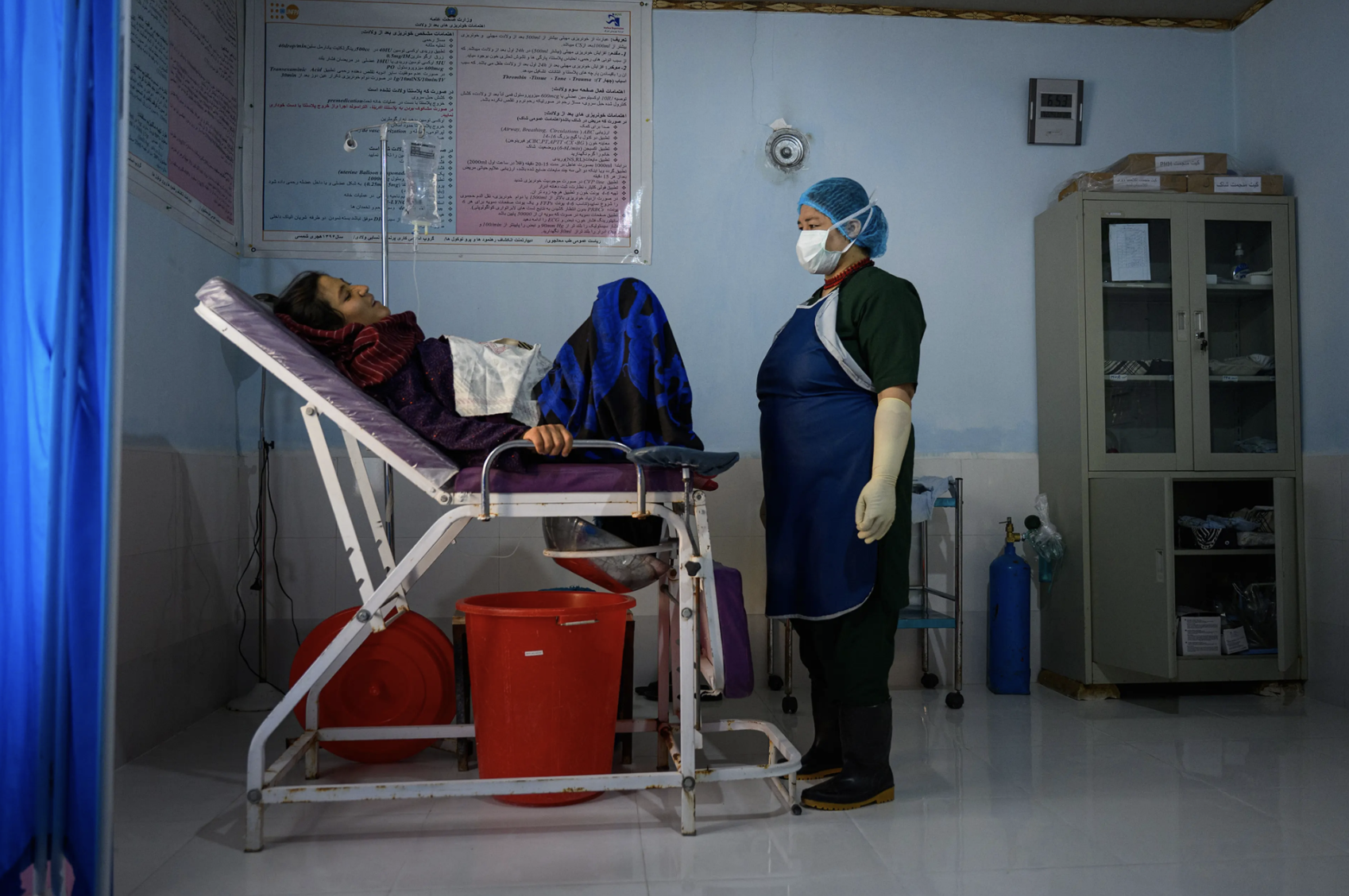
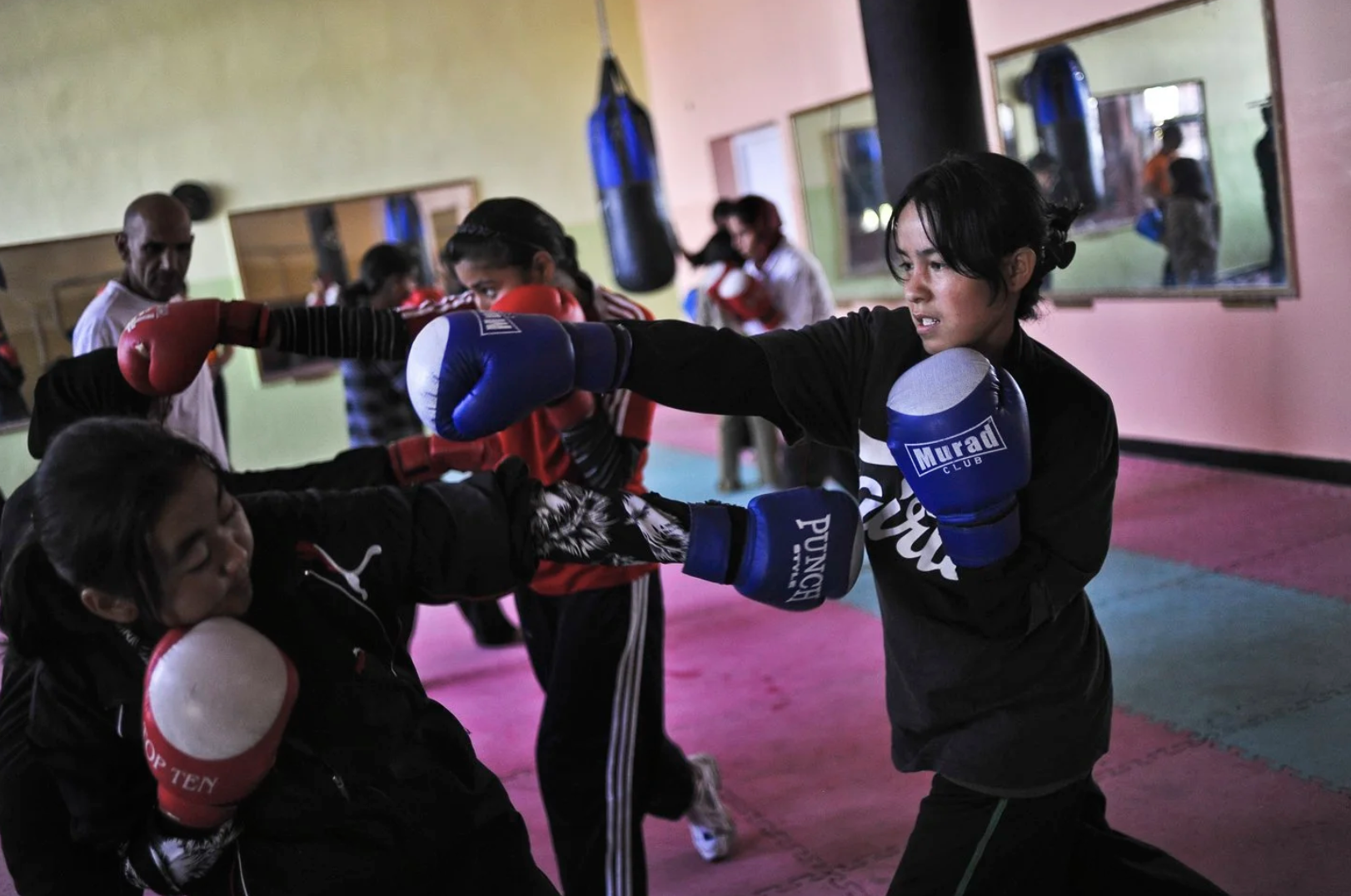
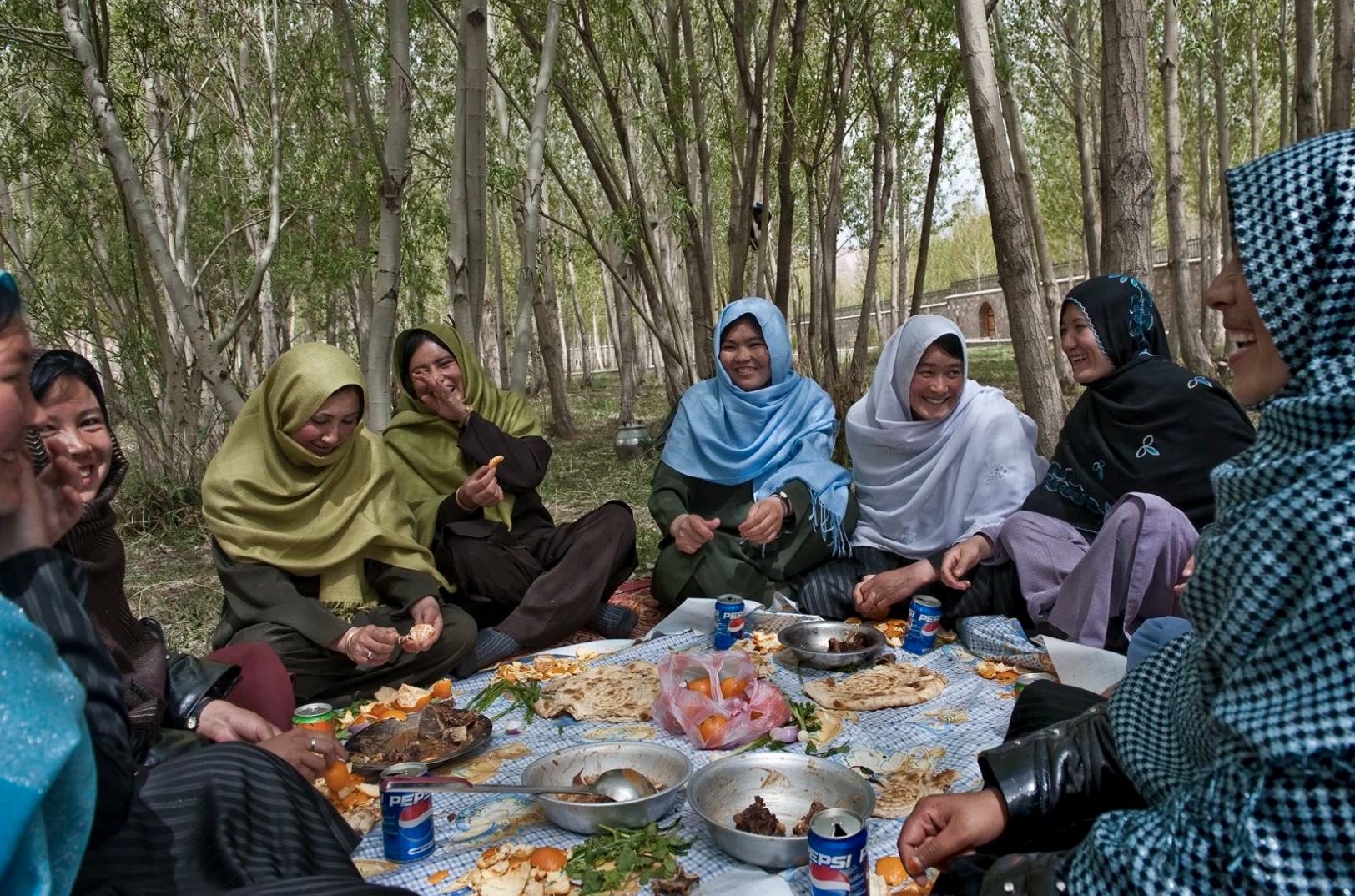
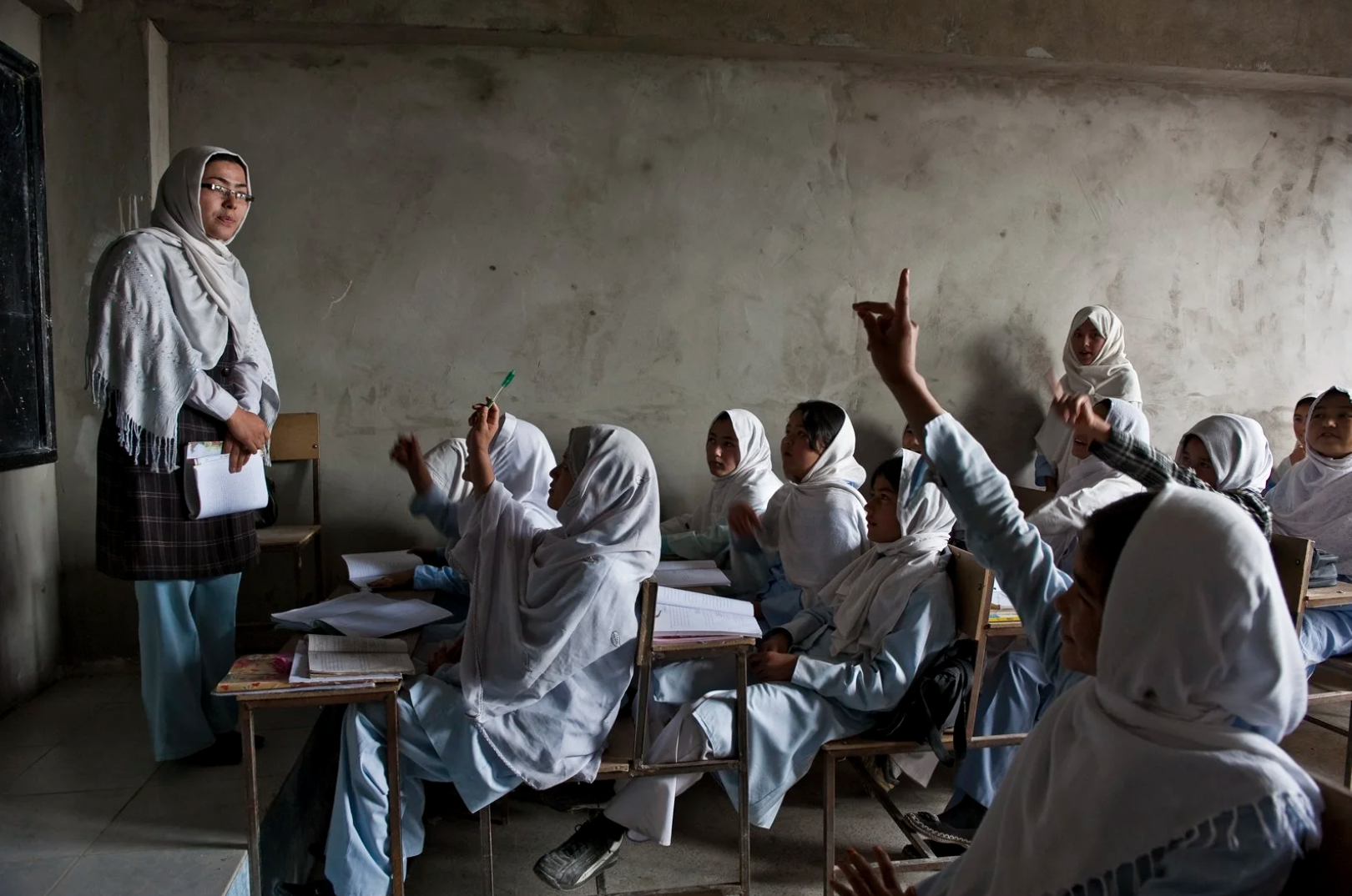
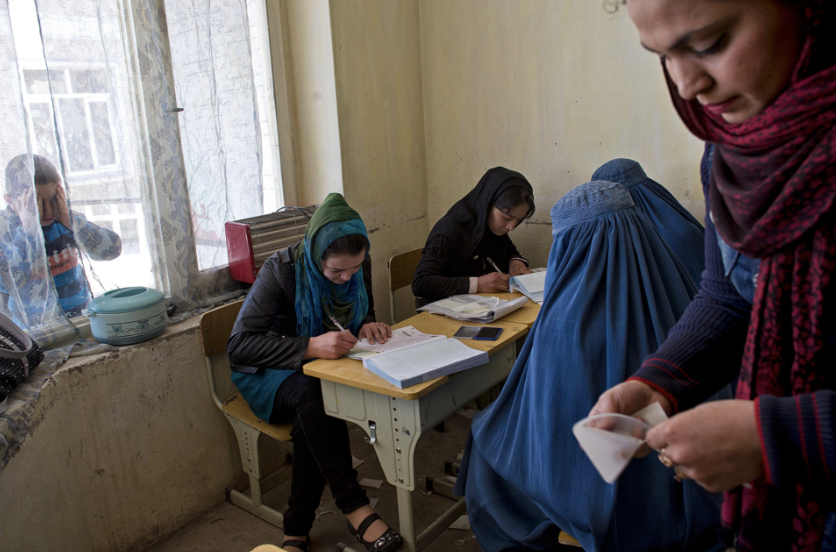
Since the Taliban’s return to power in Afghanistan in 2021, the regime has systematically dismantled the rights and freedoms of millions of women and girls and plunged the country into one of the world’s worst humanitarian crises in recent memory.
We spoke with the women in our Kabul workshop to better understand the changes they’ve experienced and the impact it’s had on them. We hope their reflections offer a reminder that behind every statistic, every headline, are individuals navigating profound loss, uncertainty, and change. And even so, continuing to find ways to carry on.
On Economic Uncertainty
For many families across Afghanistan, life has become financially precarious. Women now face significant barriers to employment.
“When the Taliban came, we became unemployed. We all became unemployed. Life became difficult, and we lost hope,” says Amina* who is now a master tailor in our workshop.
The Taliban’s effort to exclude women from the workforce has already taken a measurable toll on Afghanistan’s economy. A 2026 report from the UNICEF Office of Strategy and Evidence estimates that restrictions on women’s employment have cost the country 5.3 billion AFG, equivalent to $84 million USD per year. The International Labour Organization estimates that roughly one in four jobs held by women has disappeared since 2021.
“We used to own our home, but now we live in a rented house. In short, we fell from the sky to the ground.”
Amina’s experience reflects a broader economic reality. With diminishing opportunities, many women have been pushed out of formal employment and into home-based work, where their ability to earn income and support their families is dramatically reduced.
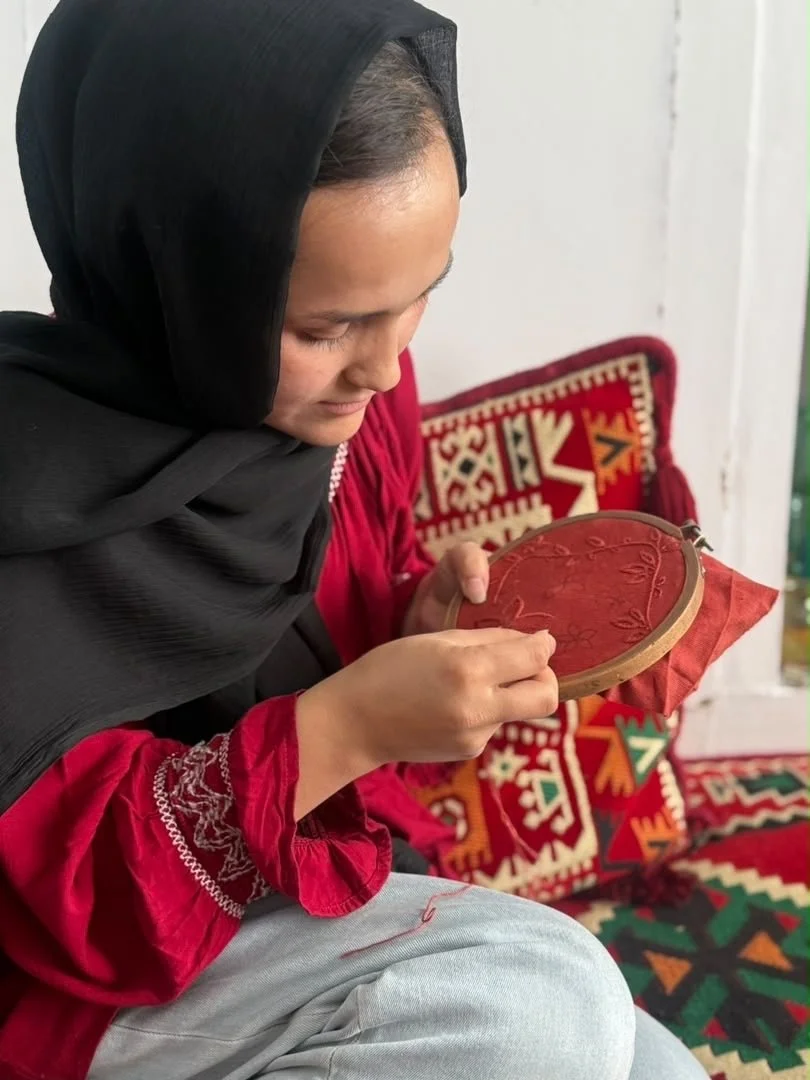
On Mental Wellbeing
The compounding effects of such suppression of women’s rights and freedom are harder to quantify. Many struggle to cope with what amounts to the complete erasure of their existence. Figures provided by healthcare workers in a survey of eleven provinces show that females make up for more than three-quarters of recorded suicide deaths and treated survivors, though it is difficult to have a clear picture because suicide is considered shameful in Afghanistan and is not accurately reported. This underreporting is made worse by the lack of reliable, up-to-date data, as the Taliban bars healthcare workers from sharing current statistics, with 2019 being the last year that official numbers were made available.
Noor* explains the personal impact of these restrictions, “Life has become completely different and, in a way, exhausting. It has had a very negative impact on my mental and emotional well-being.”
While the loss of freedom has taken a profound toll on women’s mental wellbeing, Shabnam* describes how access to work provides a renewed sense of purpose, a buoy to hold on to in a chaotic, tempestuous sea of change.
“Having my own income gives me self-confidence because I do not see myself as a useless person,” she shares. “Coming to work every day instead of sitting at home unemployed has a very positive impact on my spirit.”
“Being useful, first to myself, second to my family, and third to other people, is a very valuable feeling for me.”
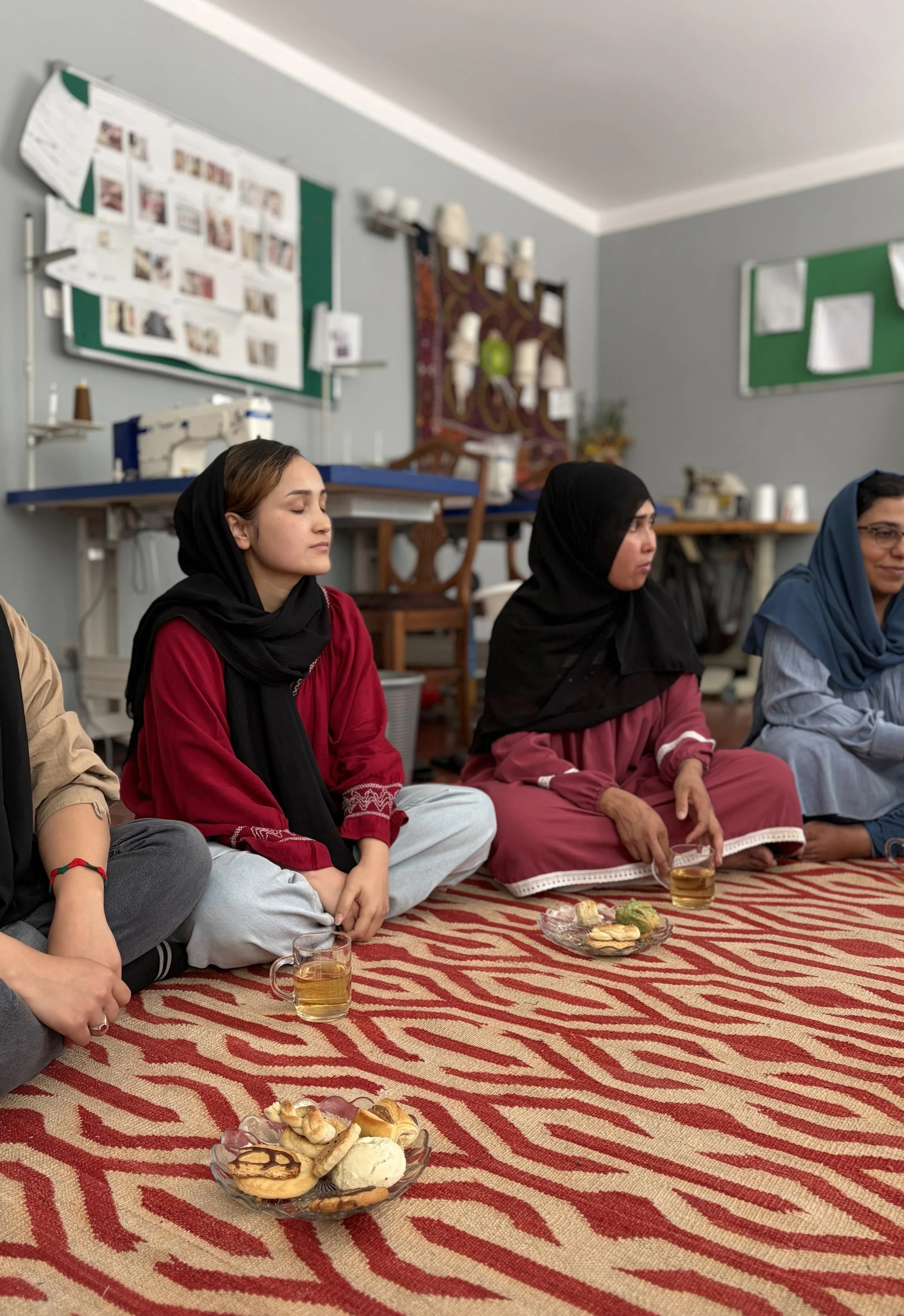
On Changing Their Dreams
Denied education, limited career opportunities, and constrained access to public life and reliable healthcare, Afghan women have had to adapt nearly every aspect of their lives to this profoundly restrictive reality.
Zahab* shares how she was forced to pivot when her education was suddenly halted.
“When my education came to an end, I learned how to work. At the time, I did not know how to sew,” she says. “I never thought I would become a tailor. I never even thought about working. My only focus was on my education. I wanted to become a dentist.”
As opportunities for women to participate in the formal economy continue to narrow, craft has become a vital source of income. For the last five years, Artijaan has been supporting women whose lives have been immeasurably altered by sweeping social and economic changes. Lately, our workshop in Kabul in combination with sales on our website and brand partnerships has given sustainable work for these women.
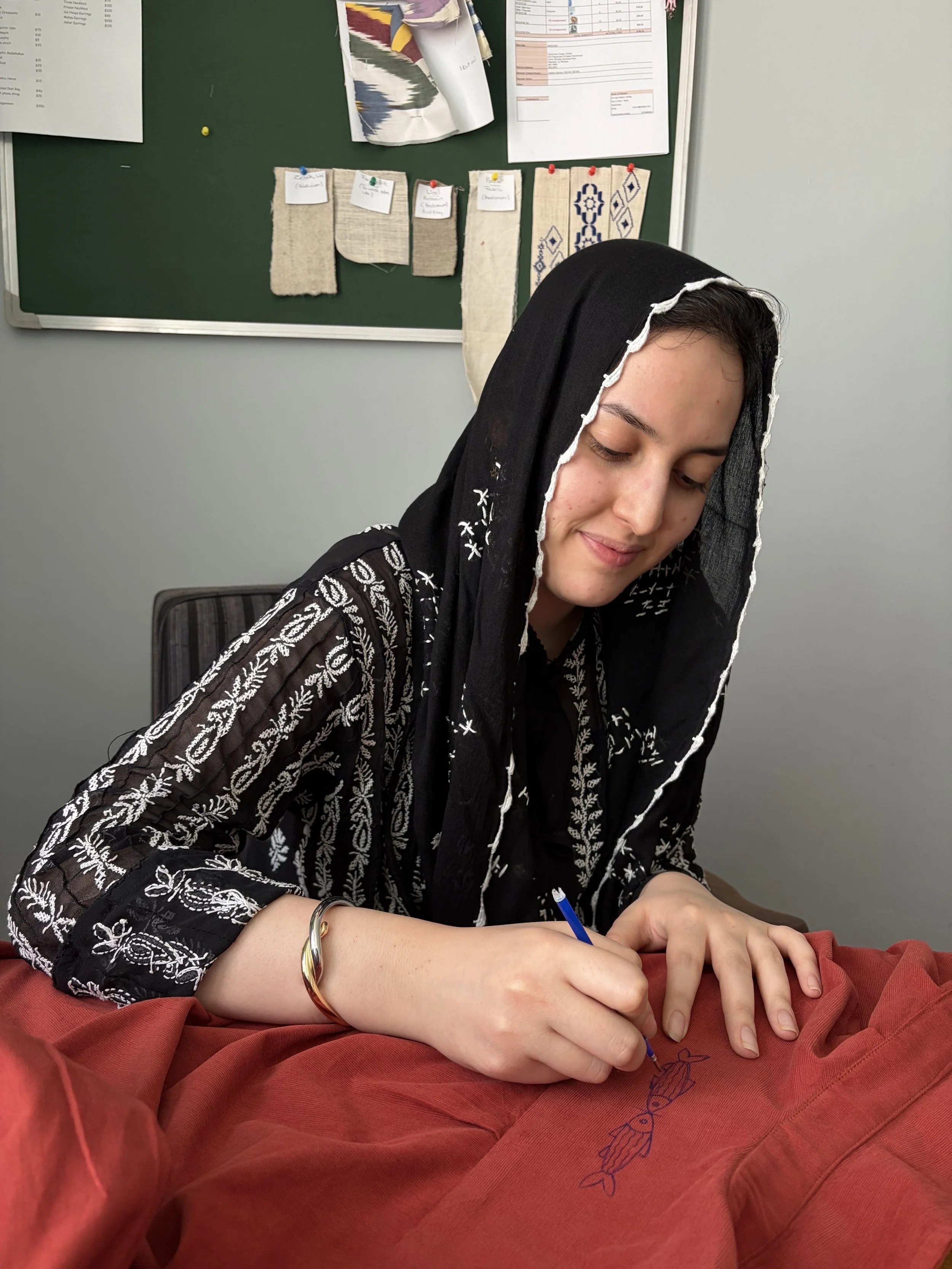
On Staying Strong During Difficult Times
For so many Afghan women, staying strong does not mean that the difficulties they face are easy to bear. Noor* describes resilience as a shared strength among women, who continue to find ways to endure even under such grim conditions.
“No matter how difficult the circumstances are, the women here are strong enough to keep going,” she says. “When life is comfortable and peaceful, everyone can live well. The real winner is the person who continues even in difficult and challenging circumstances.”
For Mariam*, her children give her a reason to resist getting swept away in the cascade of restrictions.
“When I think about my children, I find the motivation to not give up. Like women everywhere, we hope our children can live in peace and have opportunities for education and progress.”
Shabnam is sustained through her unwavering beliefs.
“First of all, my faith in God, who is my strongest supporter. Second, my faith in myself. I believe that no matter where I fall, I will stand up again.”
❋
* Names have been changed to to protect the privacy and safety of individuals interviewed.
Photography credits
1 - Monika Bulaj
2, 4-7 - Lynsey Addario
3 - Elise Blanchard
Sources and Further Reading
Afghanistan 2025 World Report – Human Rights Watch
Suicide Worldwide in 2019 – WHO
‘Despair is settling in’: female suicides on rise in Taiban’s Afghanistan – The Guardian