A New Horizon Along the Nile: Our Trip to Egypt
At Artijaan, we’ve always been guided by the belief that craft can create opportunities where they are most needed. Our work has always been about partnering with artisans navigating political and economic uncertainty to create pathways for their remarkable skills to be shared with the world.
Over the past five years in Afghanistan, and the last two in Palestine, we’ve witnessed how craft can become far more than a source of income. It can restore dignity, preserve cultural identity, and offer a measure of stability when so much else has been lost.
As we looked to the future, we began asking where we could expand our mission to have more impact. Egypt felt like a natural place to begin this new chapter. Home to some of the world’s richest craft traditions, it has also become a place of refuge for communities displaced by conflict across the region, including many from Palestine.
It is here, at the intersection of extraordinary craftsmanship and urgent need, that we found communities of artisans whose work deserves to be seen, valued, and sustained.
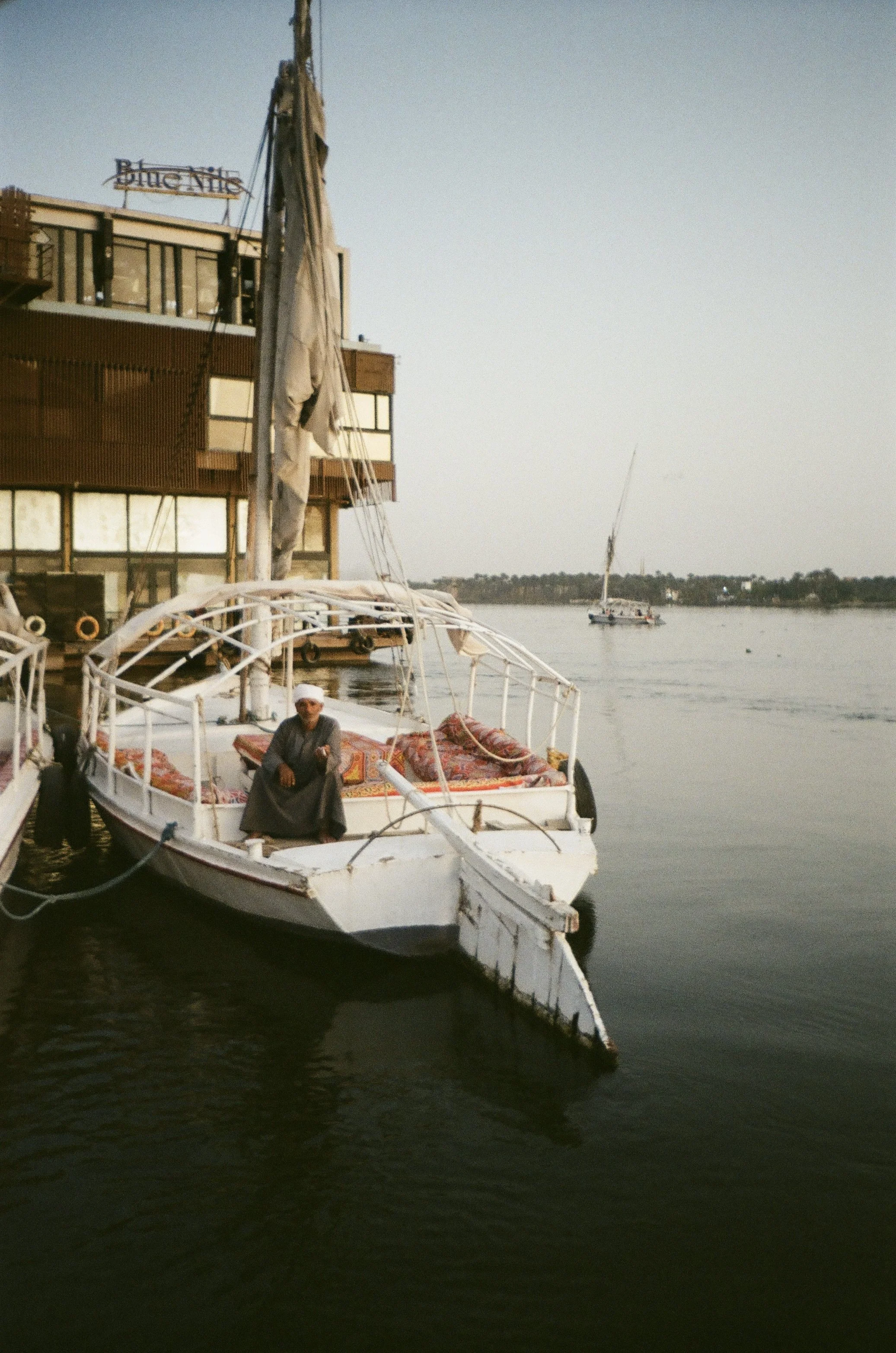
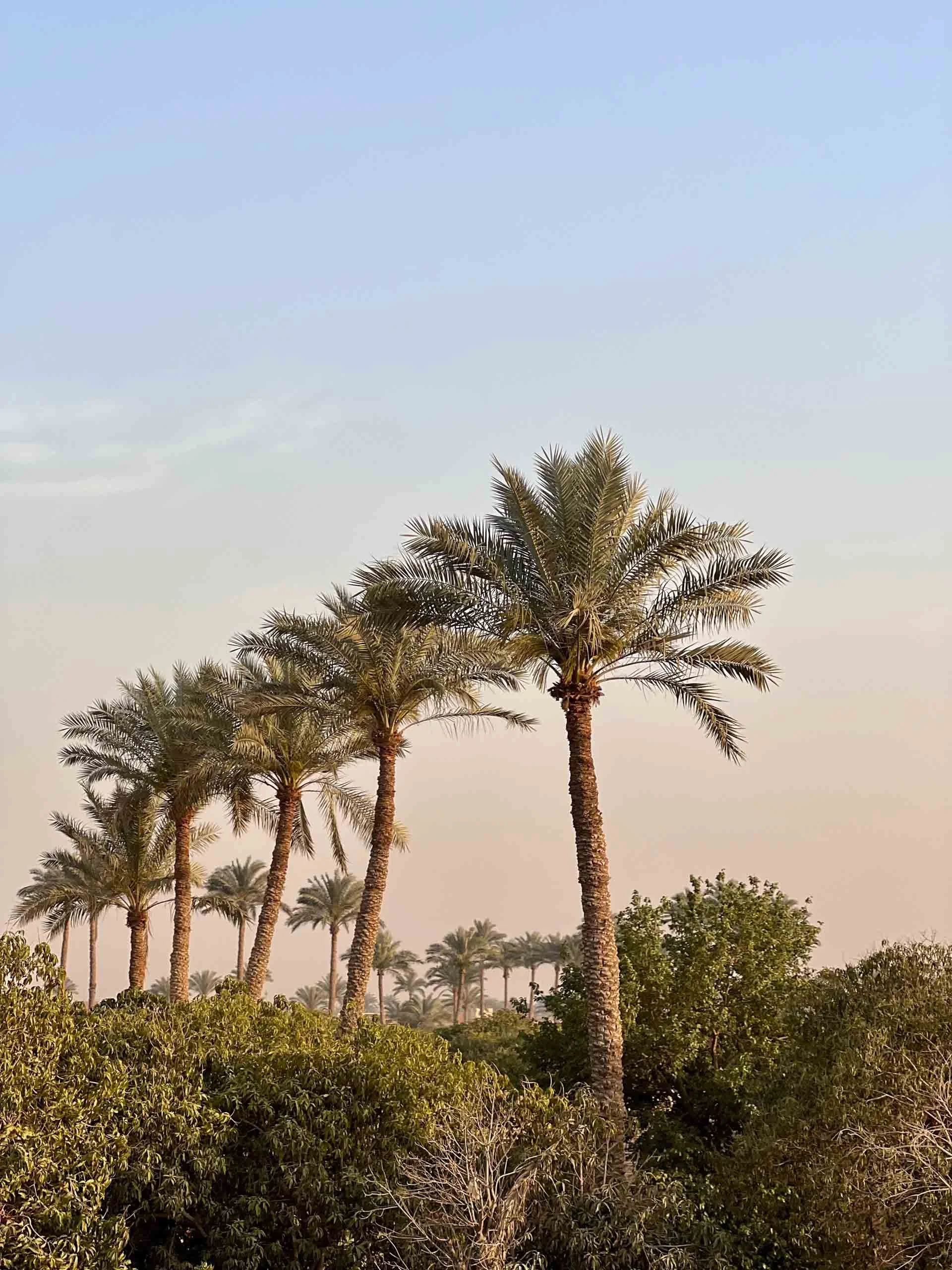
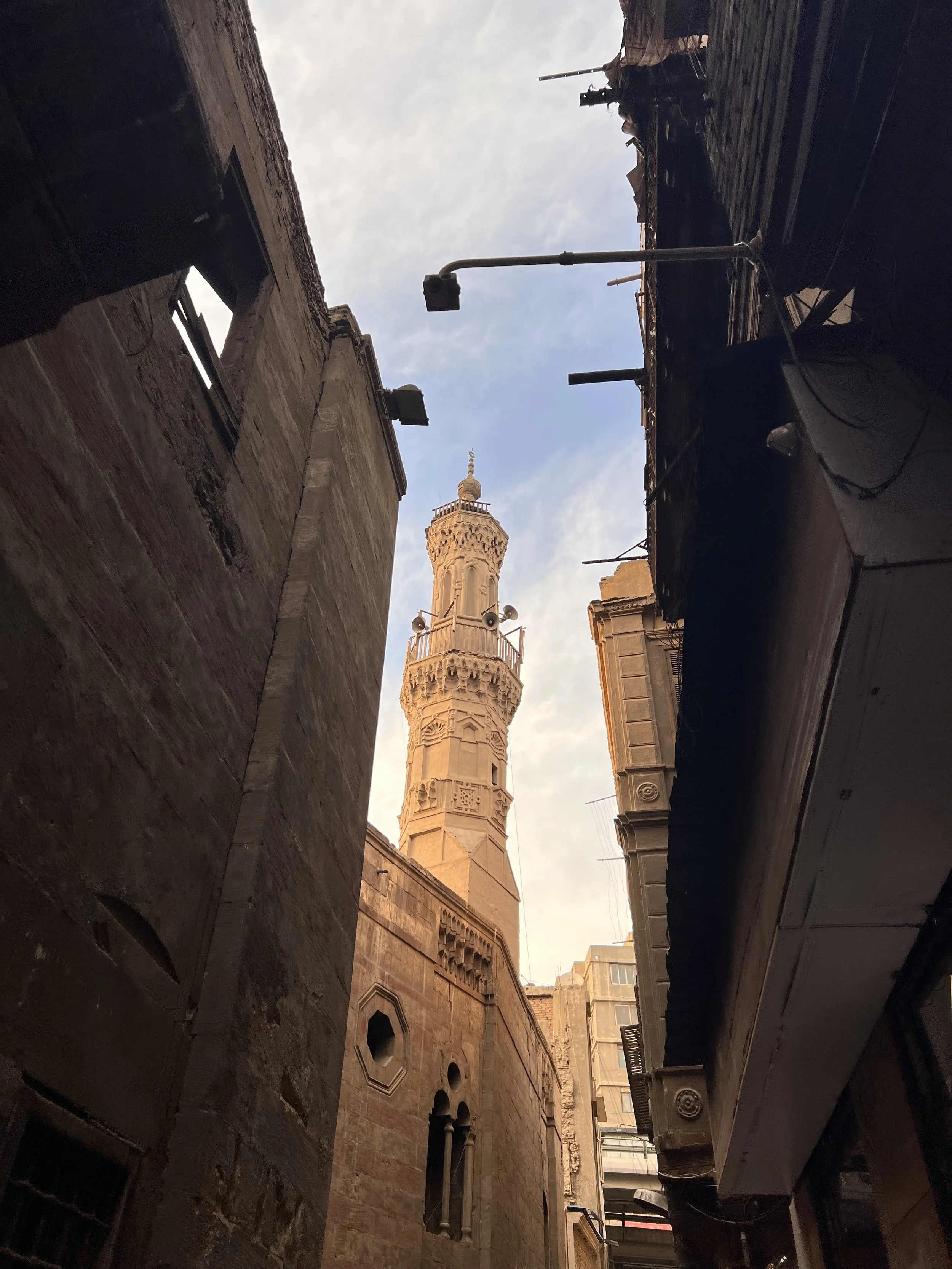
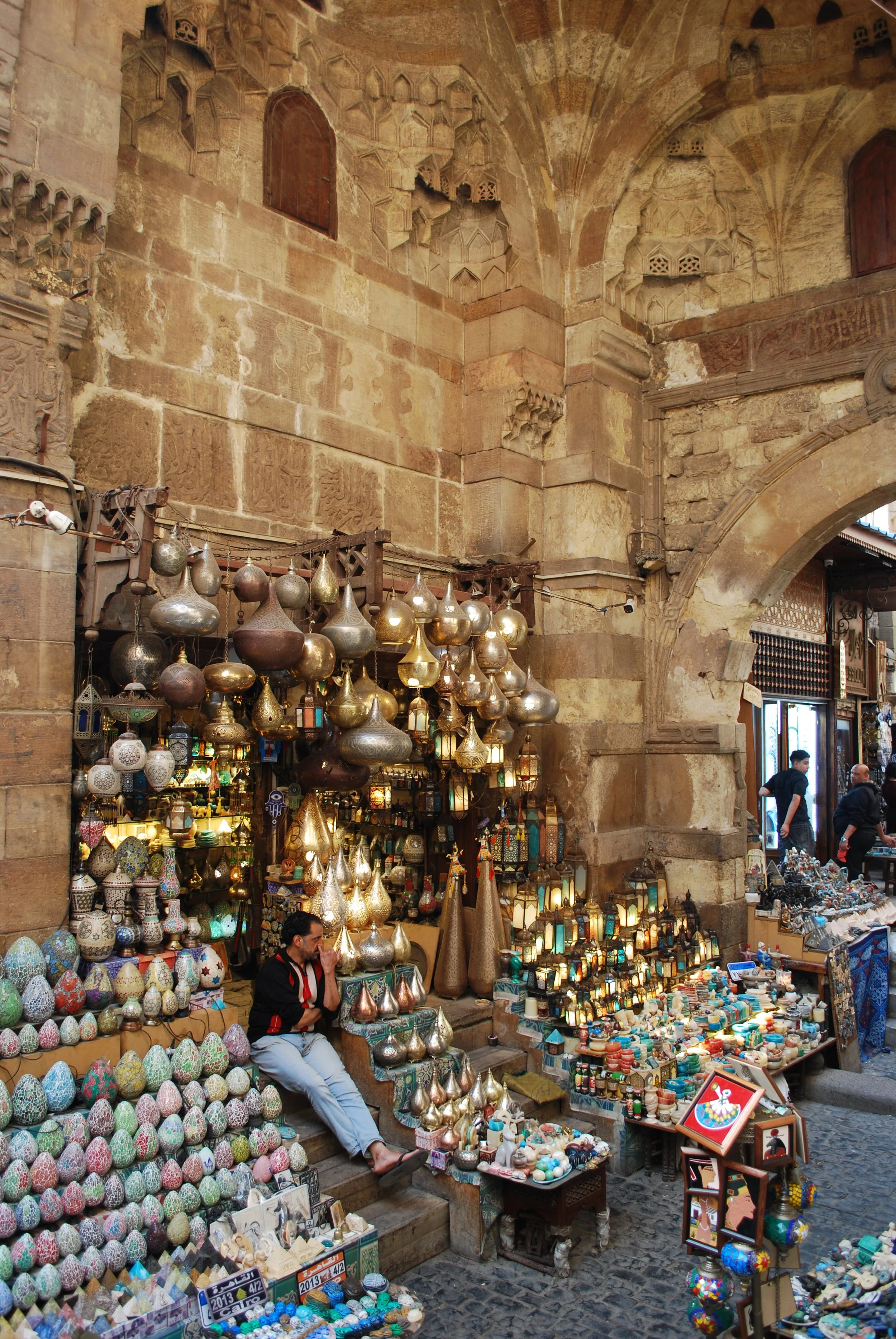
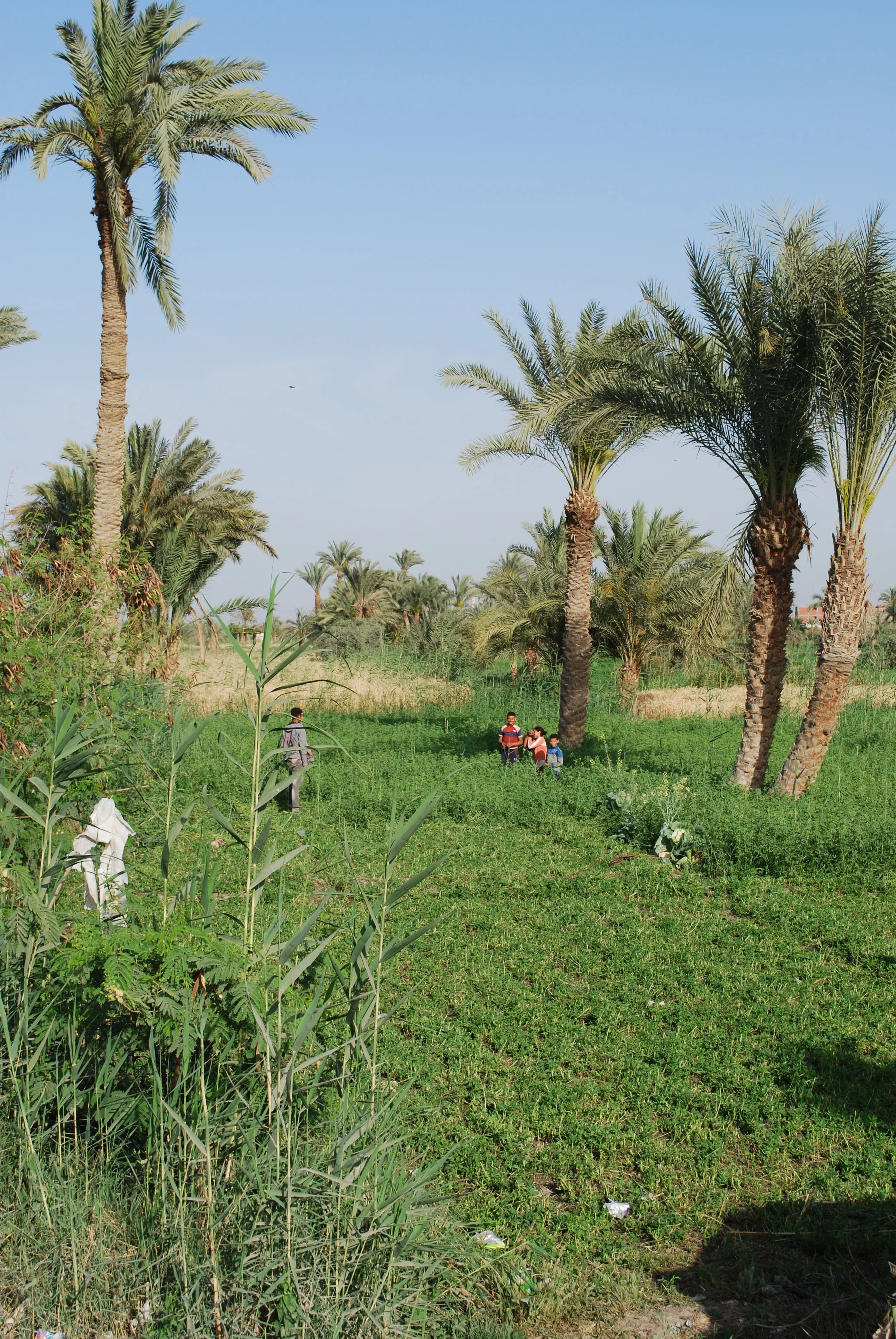
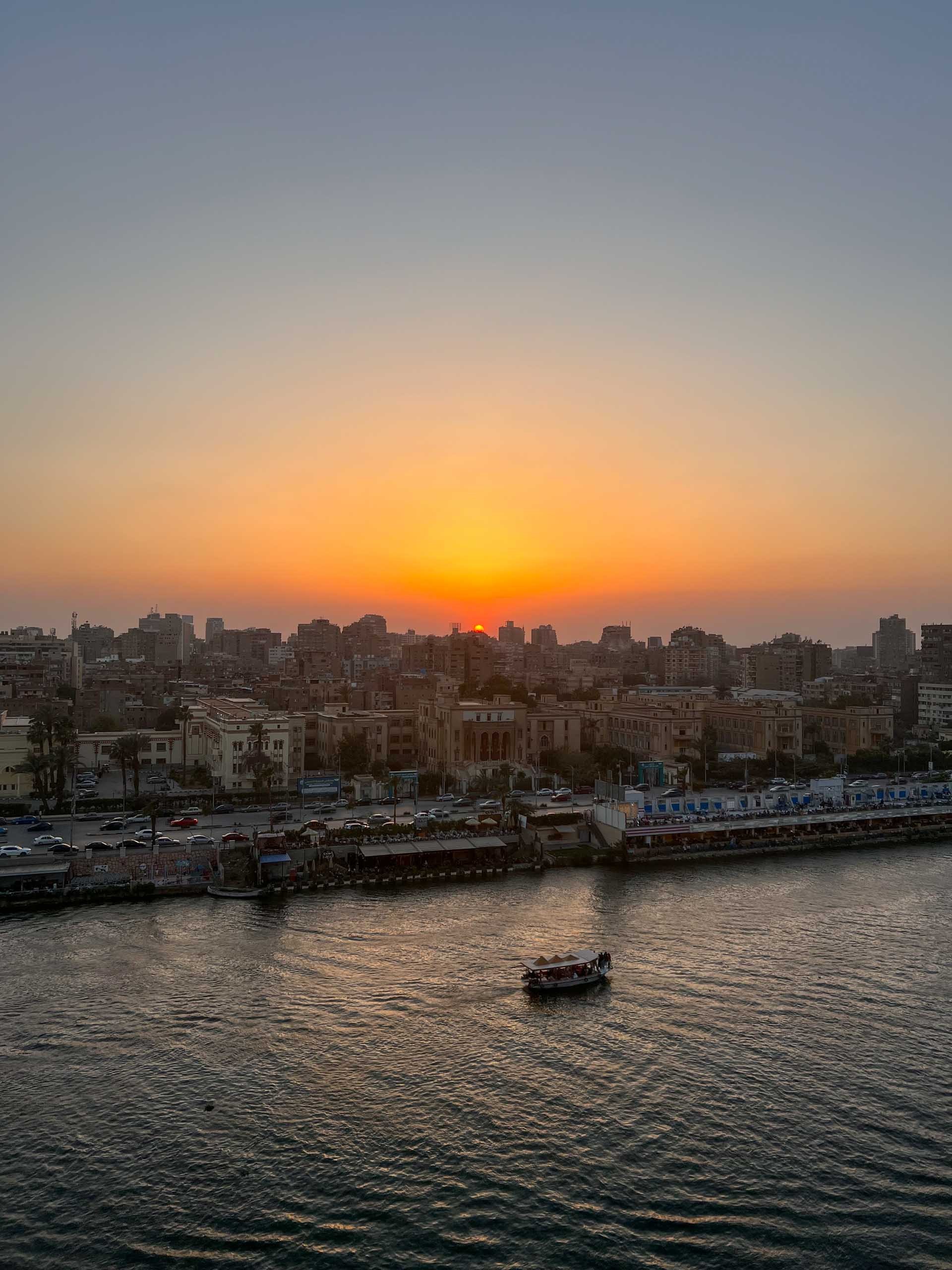
From the moment we arrived in Cairo, the city pulled us into its irresistible current. Beneath a hazy desert sky, uniform beige buildings punctuated by tiered minarets stretch to the horizon. Drivers weave through the city's labyrinthine streets with an ease that seems to defy logic. Street stalls spill onto crowded pavements selling goods of every kind and the songs of Amr Diab drift from open windows. Life unfolds on every corner.
Egypt is a country shaped by the pressures of regional instability. As of 2025, the country hosts nearly one million refugees and asylum seekers, the vast majority arriving from neighboring Sudan and Syria. Many have fled armed conflict, challenging economic conditions, and the effects of climate change.
After escaping calamities in their countries of origin, arrival in Egypt represents a new frontier of uncertainty. Refugees must now begin the slow process of rebuilding their lives. This often means entering informal work economies, where access to stable employment, housing, and basic services is limited.
Within this reality, craft stands out as one of the few forms of work that can be carried across borders.
These are skills that can be learned, preserved, and reestablished in new contexts, offering economic stability and a dignified living that is so often denied to displaced communities.
The purpose of our visit was threefold: to better understand the realities artisans are navigating; to build relationships grounded in trust; and to explore how we might thoughtfully open pathways between these makers and a wider market that has yet to fully see them.
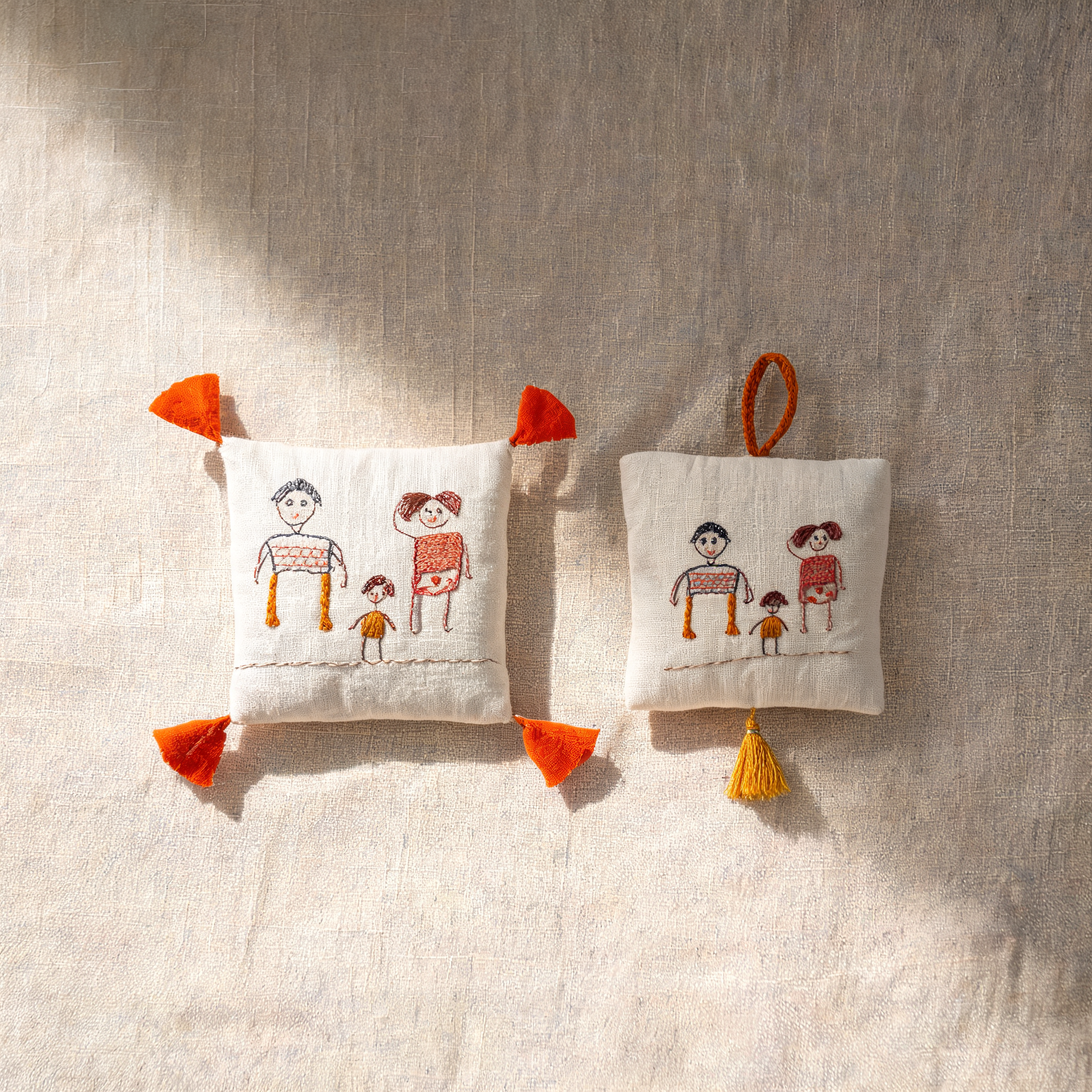
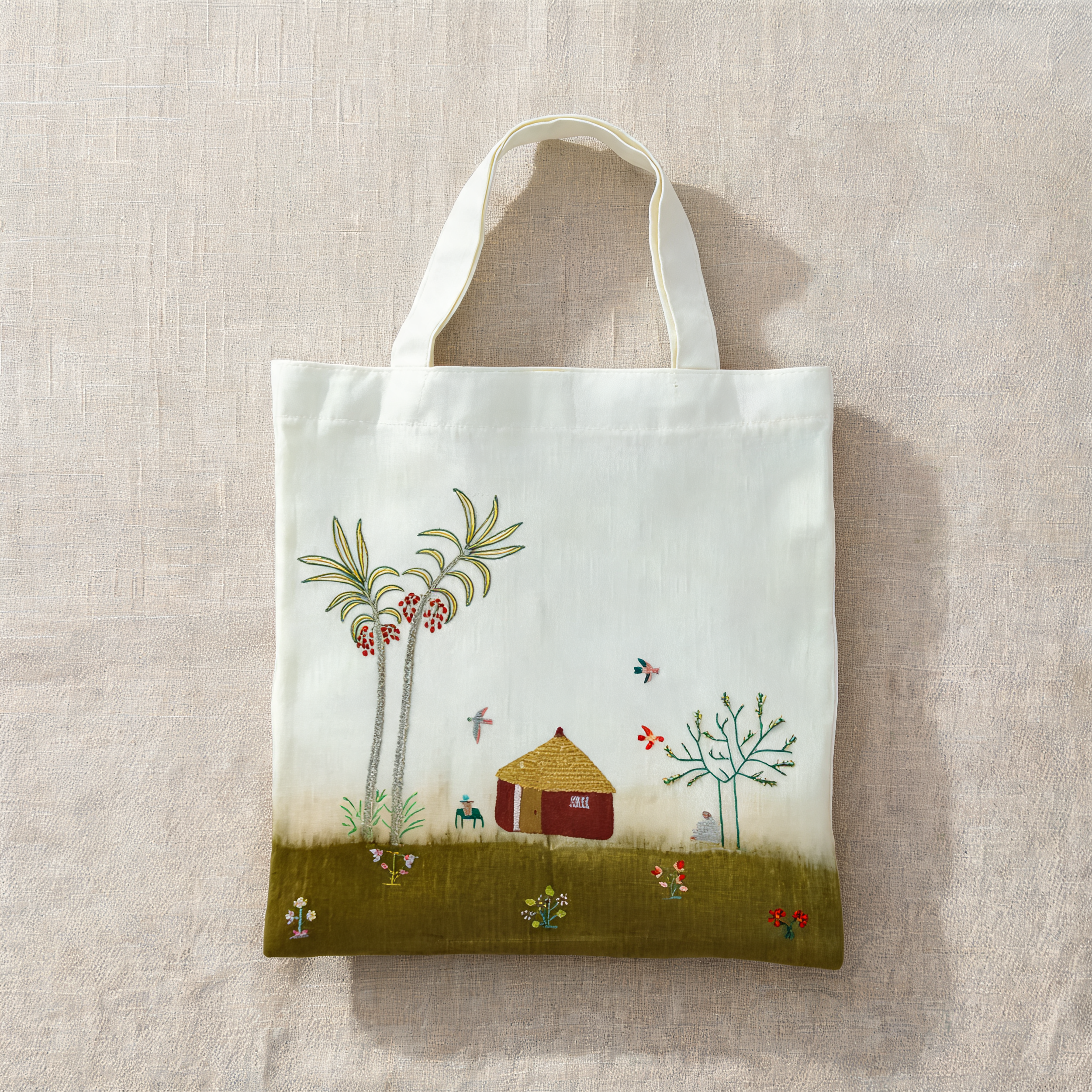
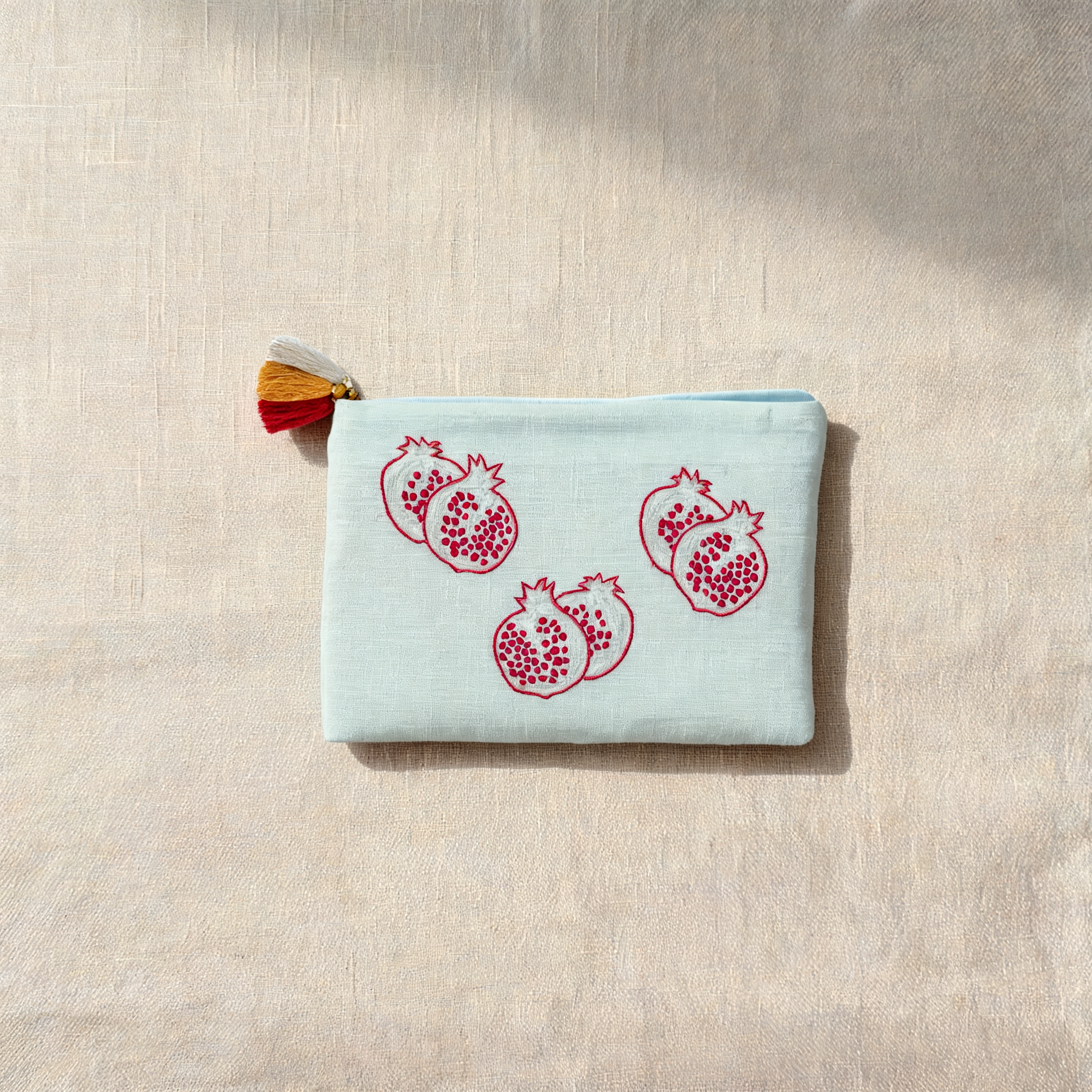
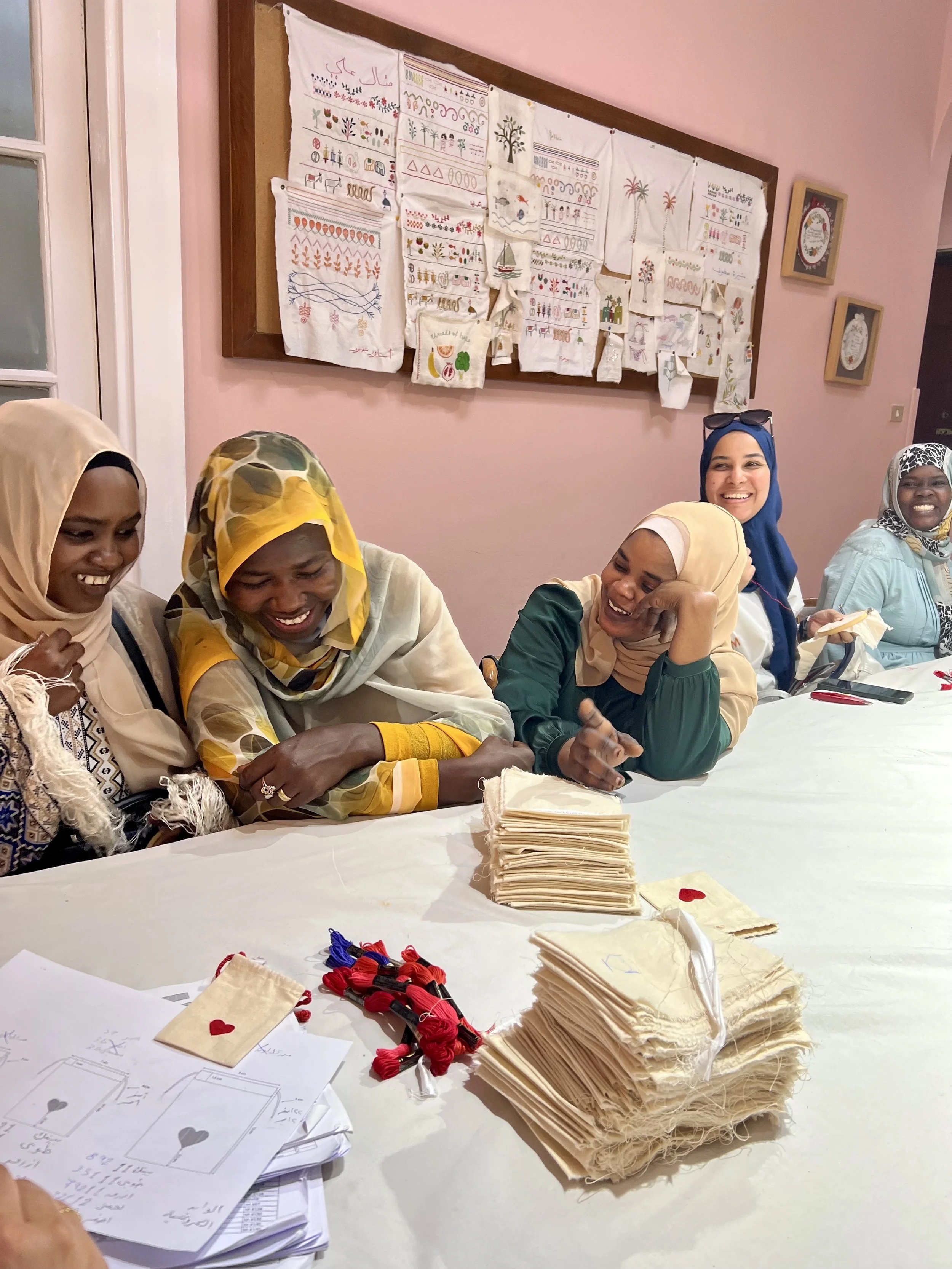
During our trip, we visited the workshop of Threads of Hope, a social enterprise that equips underprivileged, migrant, and refugee women with artisanal skills. The space was bright with cheerful, pastel-colored walls and long tables layered with fabric and a smattering of thread spools and embroidery hoops.
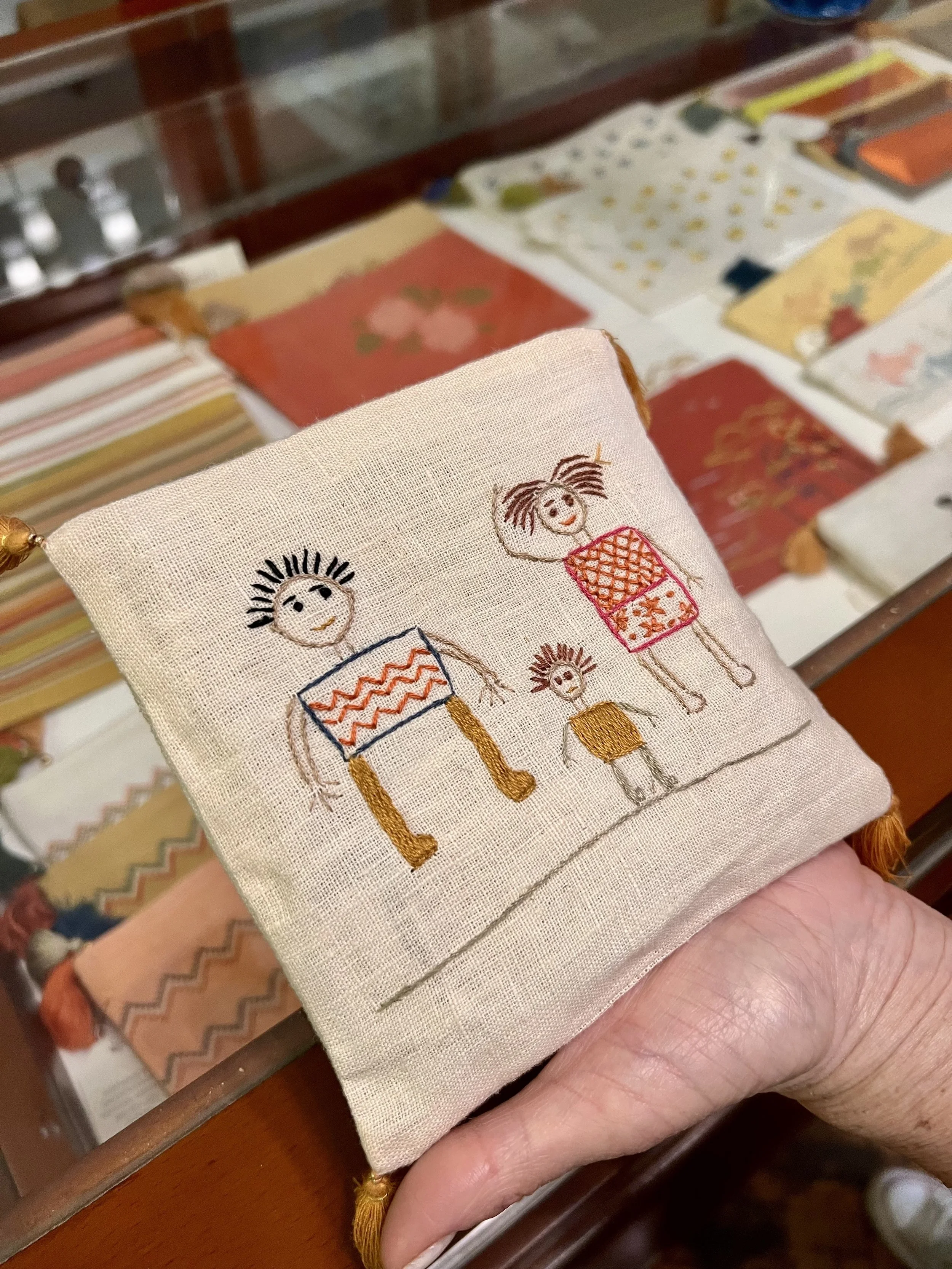
A group of Sudanese women recently arrived in Egypt had been asked to imagine their homes and draw what they longed for most. One sketched a cluster of houses surrounded by lush trees, another made a family portrait depicting her husband and child. These reflections were then translated into embroidered pieces.
It was beautiful to see how craft became a deliberate act of remembrance, a witness to the joy and pain that these women endured and a way of making what has been lost tangible again.
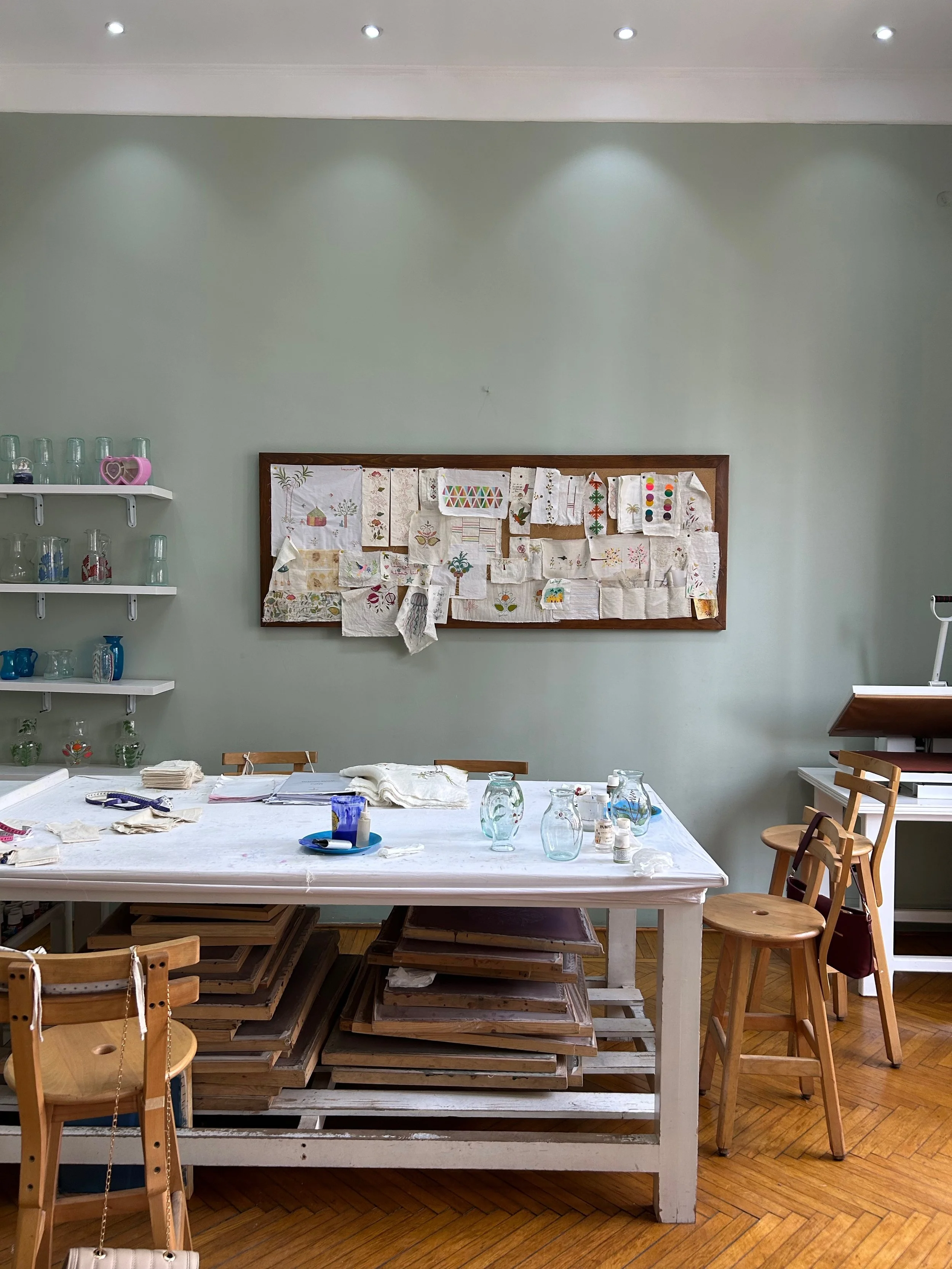
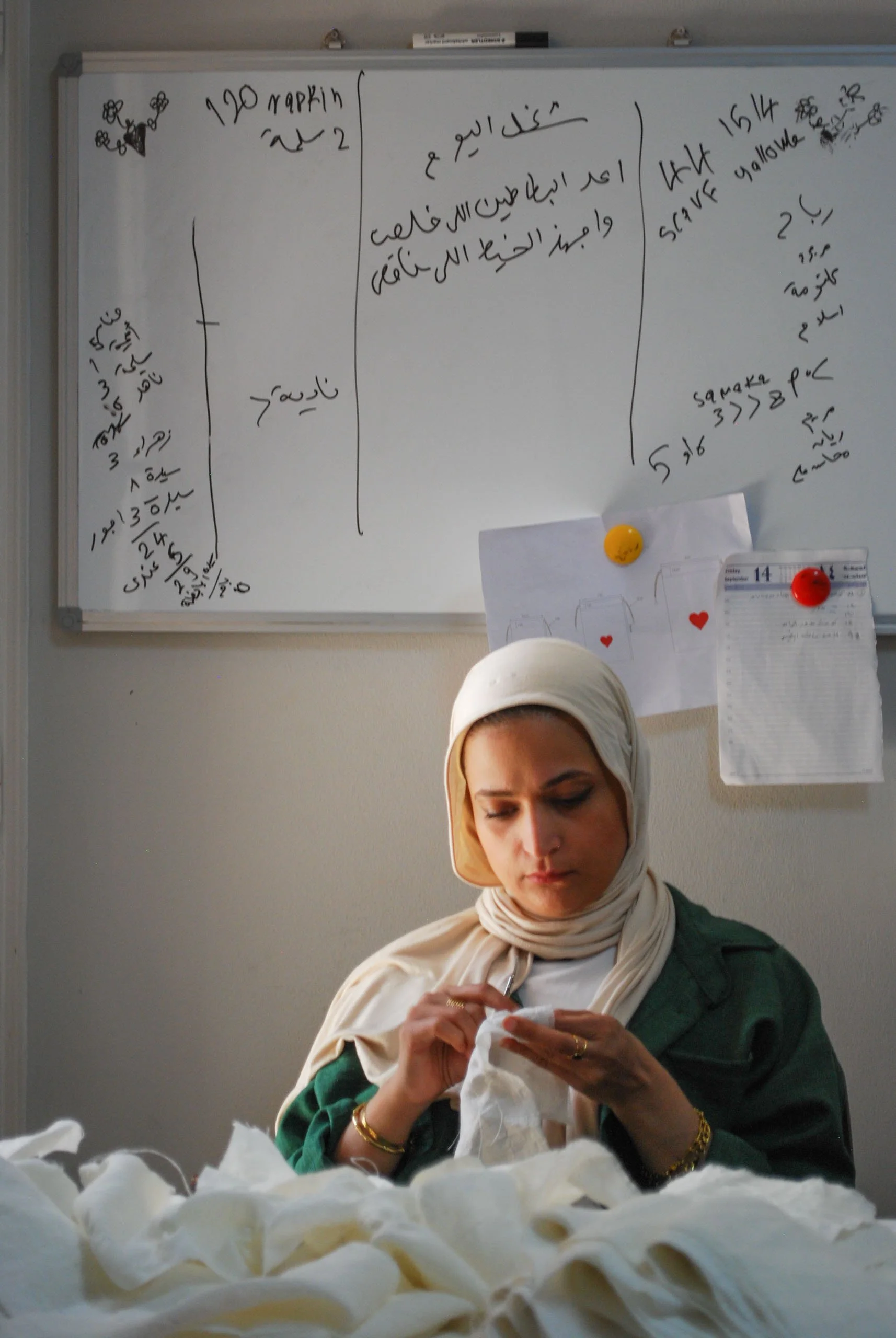
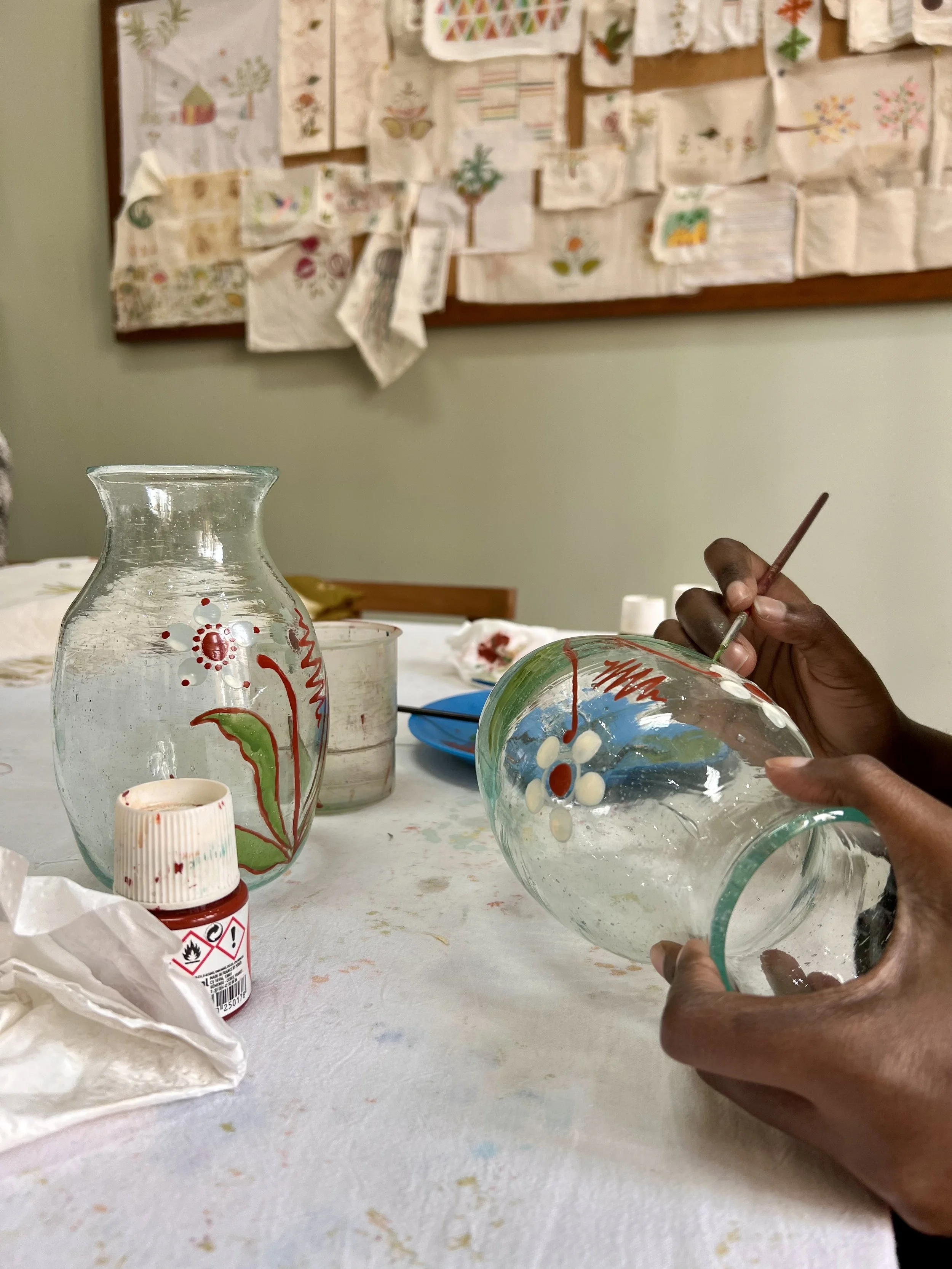
Our conversations with the women at Threads of Hope and other artisans we spent time with in Cairo and the oasis city of Fayoum revealed that these makers had been dispossessed of their homes and livelihoods, often many times over. Many of the artisans we spoke with have experienced profound separation, living thousands of kilometers away from the land where they were born and the communities that nurtured them. Now in Egypt, where the barriers to formal employment can seem insurmountable, one of the only viable paths to support themselves is craft.
This trip represented a new horizon for us. Egypt is a place where these histories, movements, and traditions converge. Where extraordinary skills exist alongside fragile systems of support. Our role is to help build those pathways of support, carefully, and in collaboration, so that craft can remain a living source of income rather than something that disappears under pressure.
We are so honored to share their work with you and to continue building the partnerships we established in Egypt.
A curated selection of items from our trip is now available on our website. Consider this your personal invitation to explore the collection.
x