To Create is to Exist
War destroys lives, communities and livelihoods. Billions of dollars of aid flow into conflict zones, yet it often struggles to build lasting structures. And when political winds shift, funding disappears overnight.
For cultures with thousands of years of rich cultural heritage, artisans carrying generations of knowledge are often unable to preserve and share their craft.
These crafts are recognised worldwide for their heritage value, yet local artisans face systemic barriers: restricted access to raw materials, lack of investment in skills and design innovation, and limited visibility in both domestic and international markets. As a result, many groups struggle to transform their craft into sustainable businesses, despite growing international demand for ethical, hand-made products with cultural resonance.

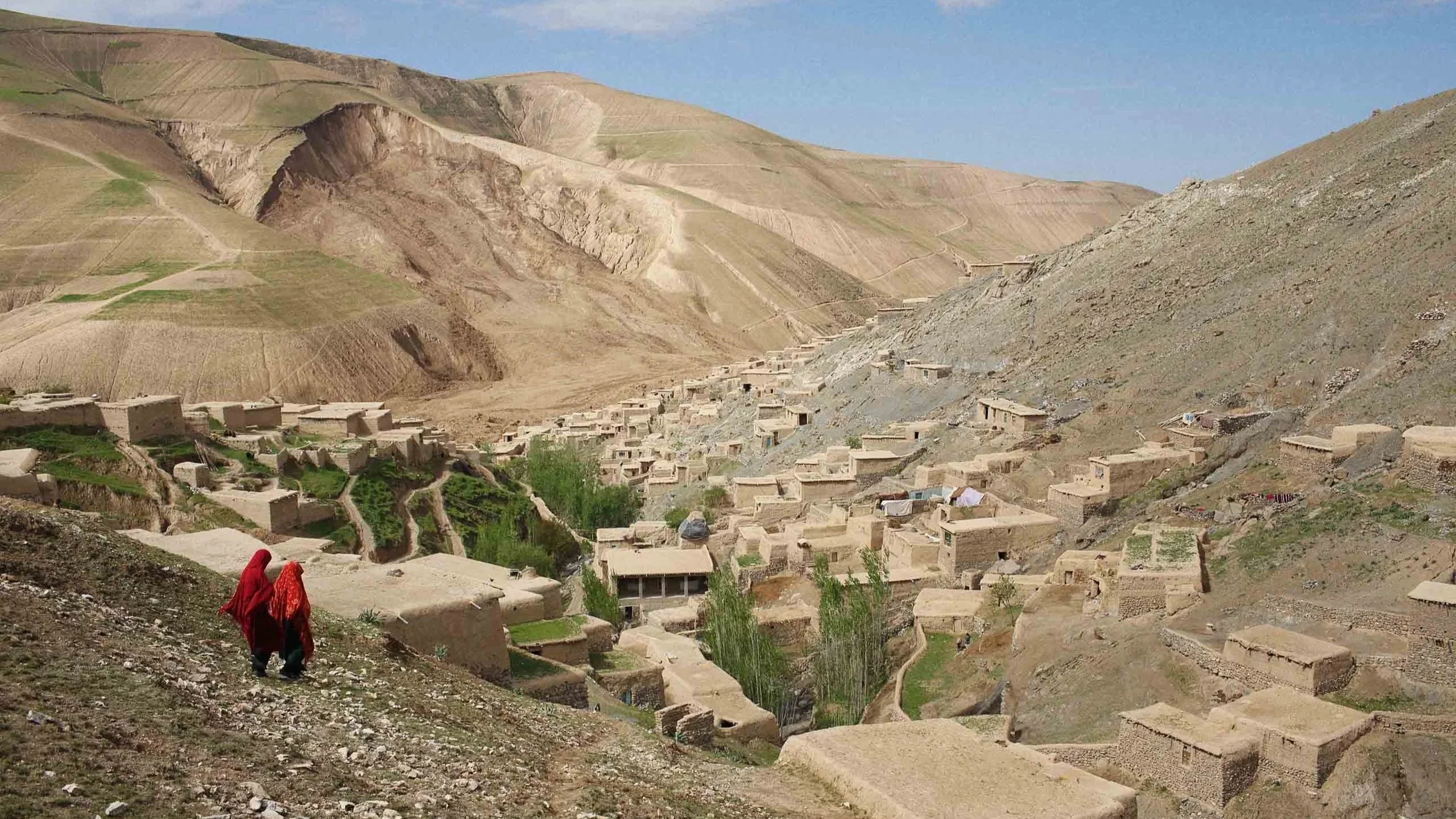
Beyond the Headlines
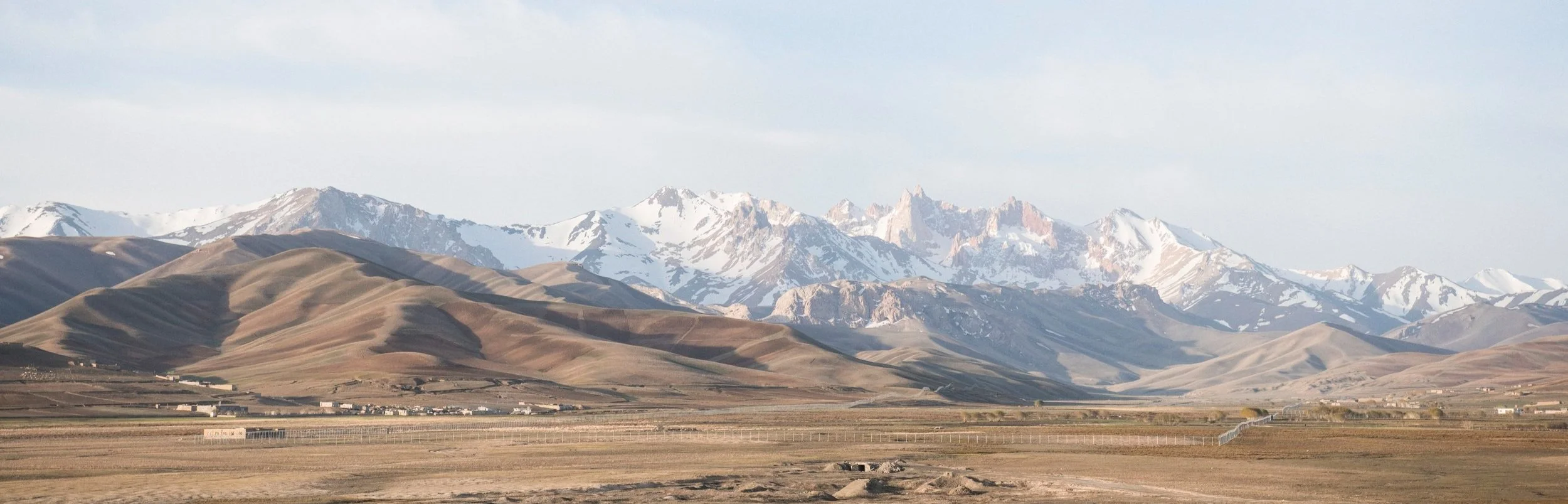
Many of these countries are often known internationally only through the language of crisis. Yet beyond the headlines exists another reality: one of extraordinary beauty, creativity, and ancestral craftsmanship passed from generation to generation.
Artijaan was created from the conviction that craft can become a bridge — between heritage and contemporary design, between artisans and global audiences, between economic survival and cultural preservation. Each creation carries a promise. Of knowledge preserved, livelihoods sustained, and a renewed dialogue between tradition and modernity

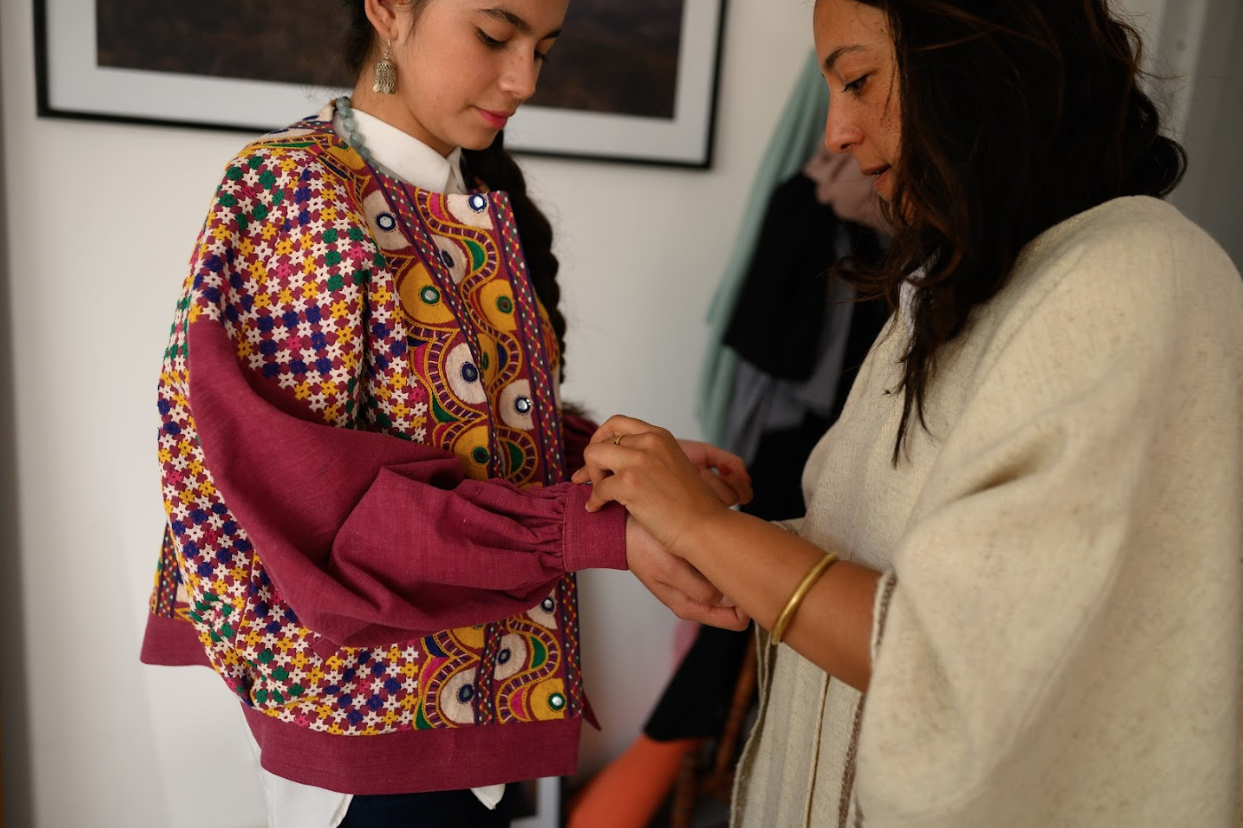
Being the Bridge
Artijaan is a social enterprise which bridges the gap between business and development aid to support communities of traditional artisans experiencing socioeconomic hardship resulting from conflict. We collaborate with artisans and brands to curate and co-create ethically handcrafted items of beauty, and transmit the human stories and knowledge of marginalised and often misrepresented cultures and peoples.
Our work supports artisans, in particular women and girls, in challenging contexts financially, socially and politically, whilst also preserving cultural heritage. We specialise in supporting artisans in conflict and crisis contexts by connecting them to international markets, providing mentorship, and ensuring product quality meets global standards.

Our Story
Artijaan was founded in 2021 by Belinda Idriss, a French-Yemeni-Djiboutian entrepreneur. After a corporate career, she began researching how craft could address socio-economic challenges in South West Asia, North Africa and Central Asia, meeting many artisan communities along the way. Whilst living in Kabul in 2021, the Taliban re-captured the city and re-took control of the country. She had seen her own Yemeni heritage disappear through conflict, and now in Afghanistan too she saw how artisans—mostly women—lost their livelihoods overnight in the economic crisis which ensued.
Deeply moved, she decided to found Artijaan to connect artisans from conflict-affected regions with conscious consumers in more economically developed countries. Belinda and the team at Artijaan are driven to show the world how ethical trade and commercial success can go hand in hand.
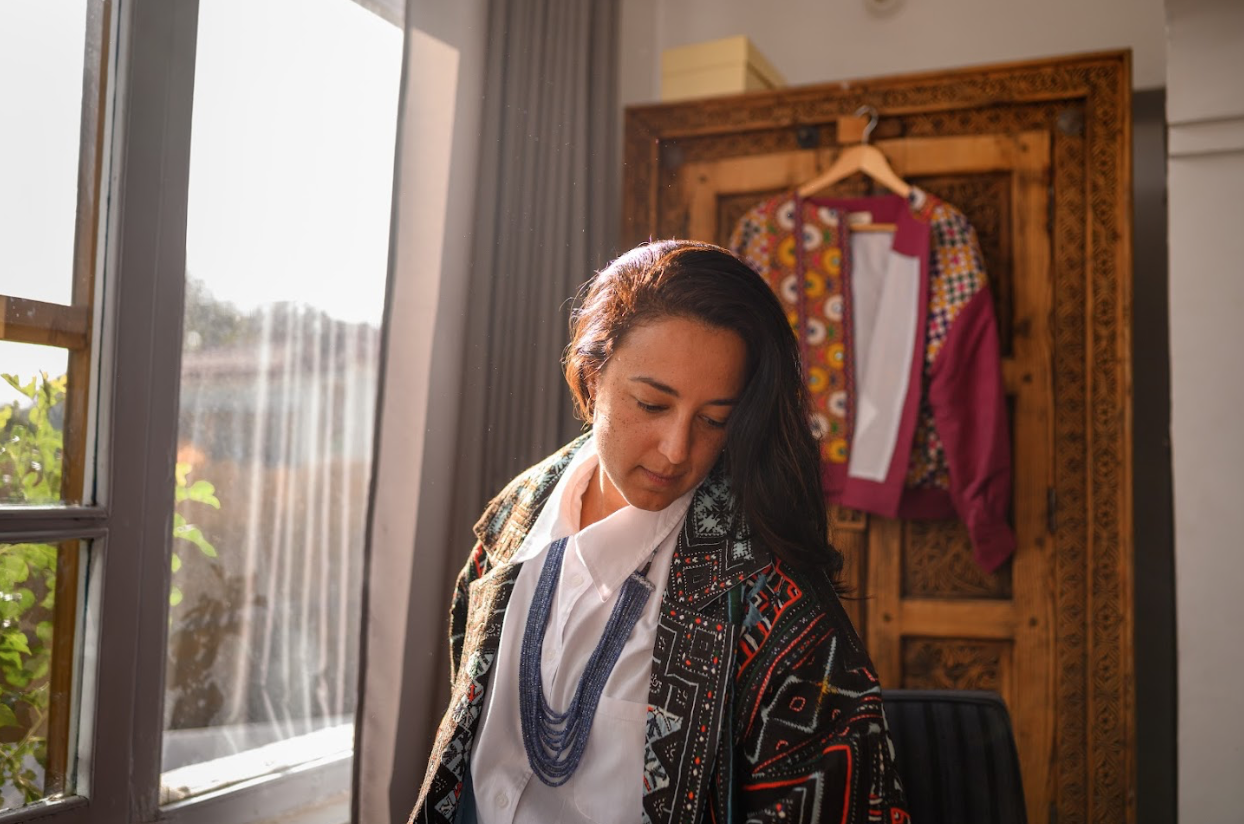
“Craft connects us beyond borders or politics. It’s a quiet power, one that carries memory, creates healing, and reminds us that softness can transform the world.”
Belinda Idriss
Our Approach
Our model is deliberately not large-scale. We work most effectively with a smaller number of businesses and artisans over a longer period, where trust can be built and quality developed. We are careful about who we work with: not the most acutely vulnerable households, who need humanitarian support rather than market access, and not businesses already operating independently, but those at the stage where focused support makes a durable difference.
Our integrated approach is founded on five core pillars of activity:
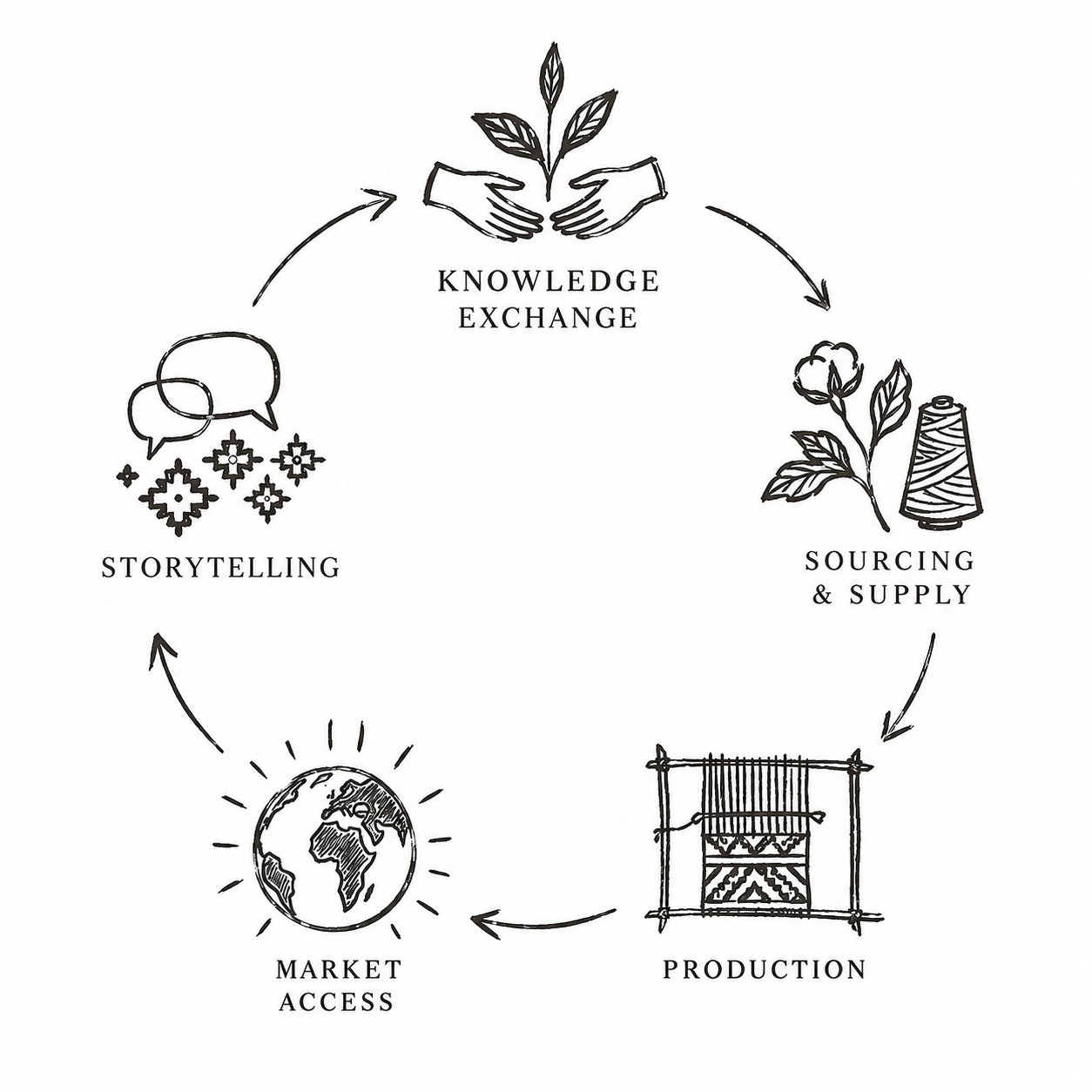
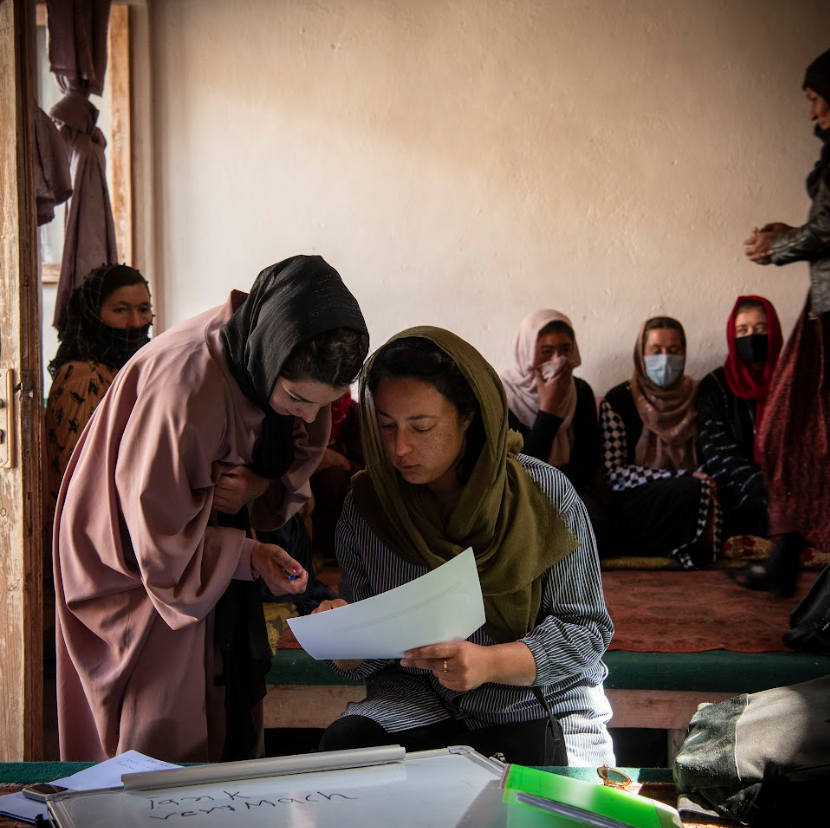
Knowledge Exchange
Mentorship and technical training connect local artisans with international designers and each other, turning raw skill into market-ready craft.
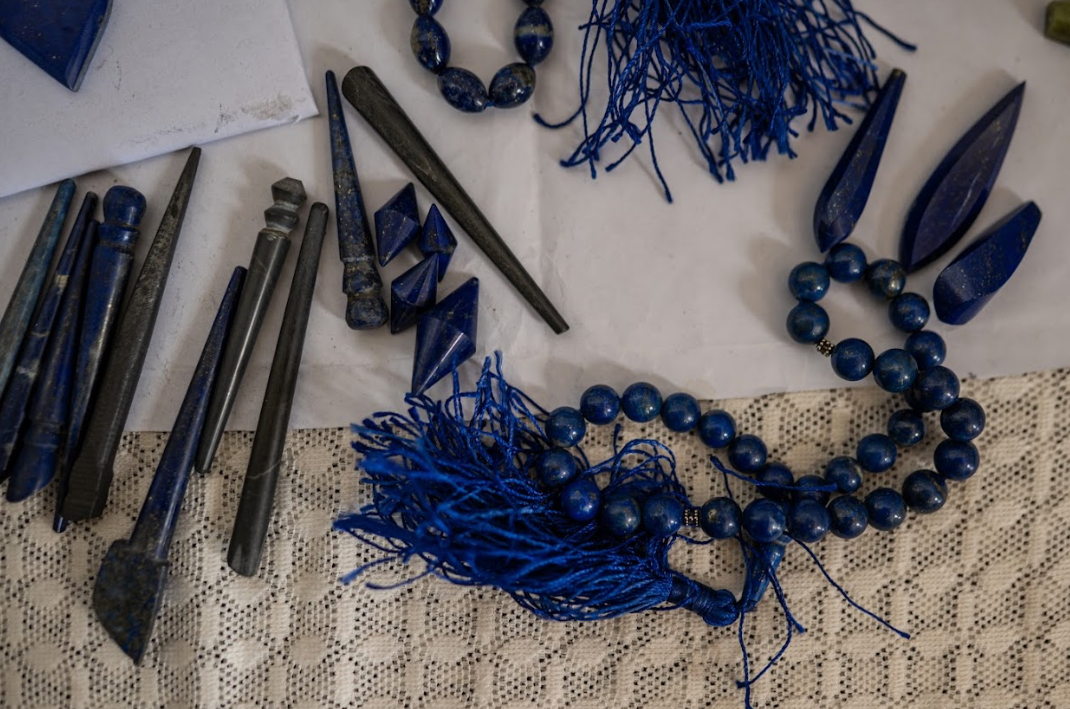
Sourcing & Supply
We source sustainable and deadstock materials and map artisan networks, laying the groundwork for every collection before a single stitch is made.
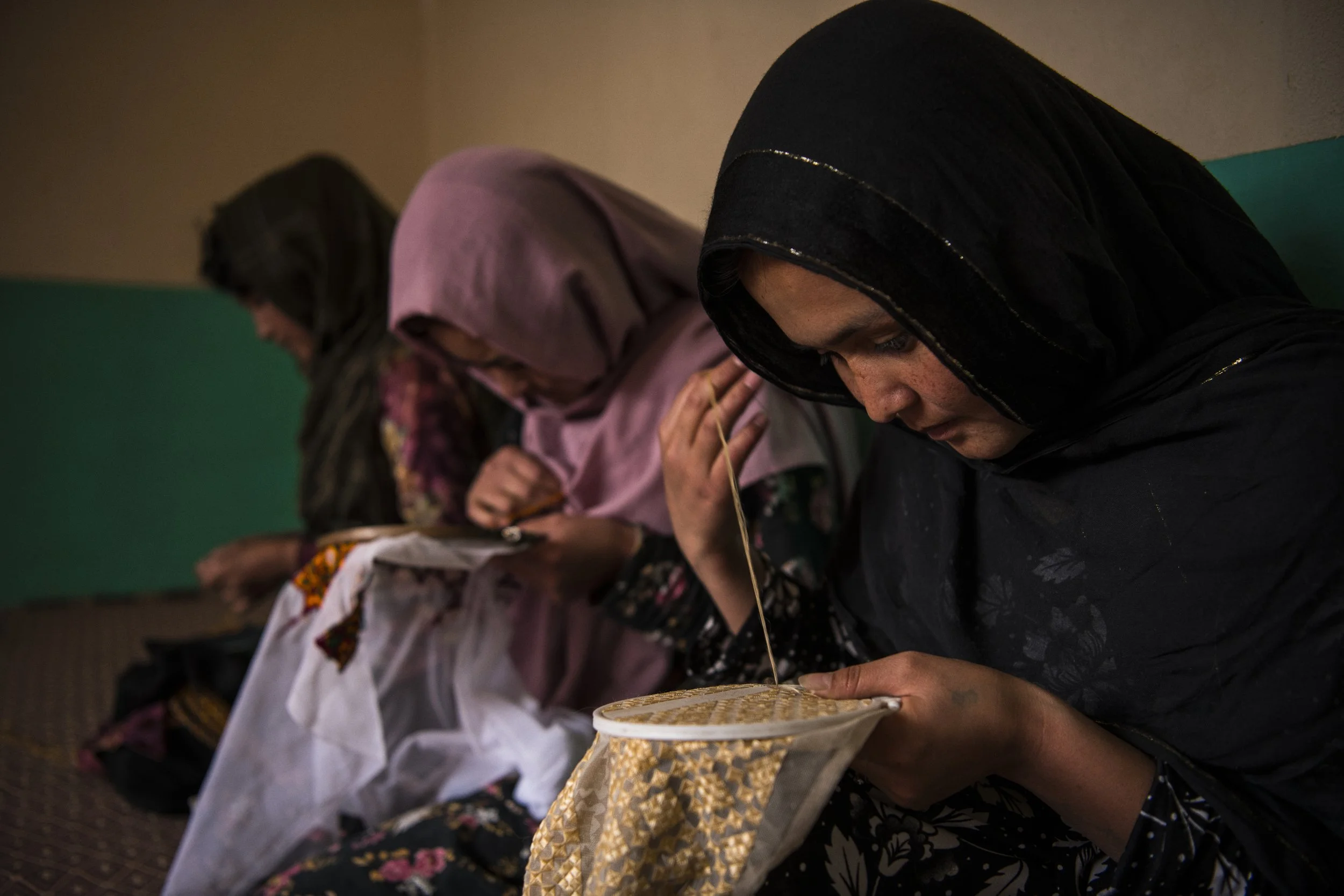
Production
At our workshop and partner spaces artisans produce to international quality standards, with design, quality control and logistics managed end to end.
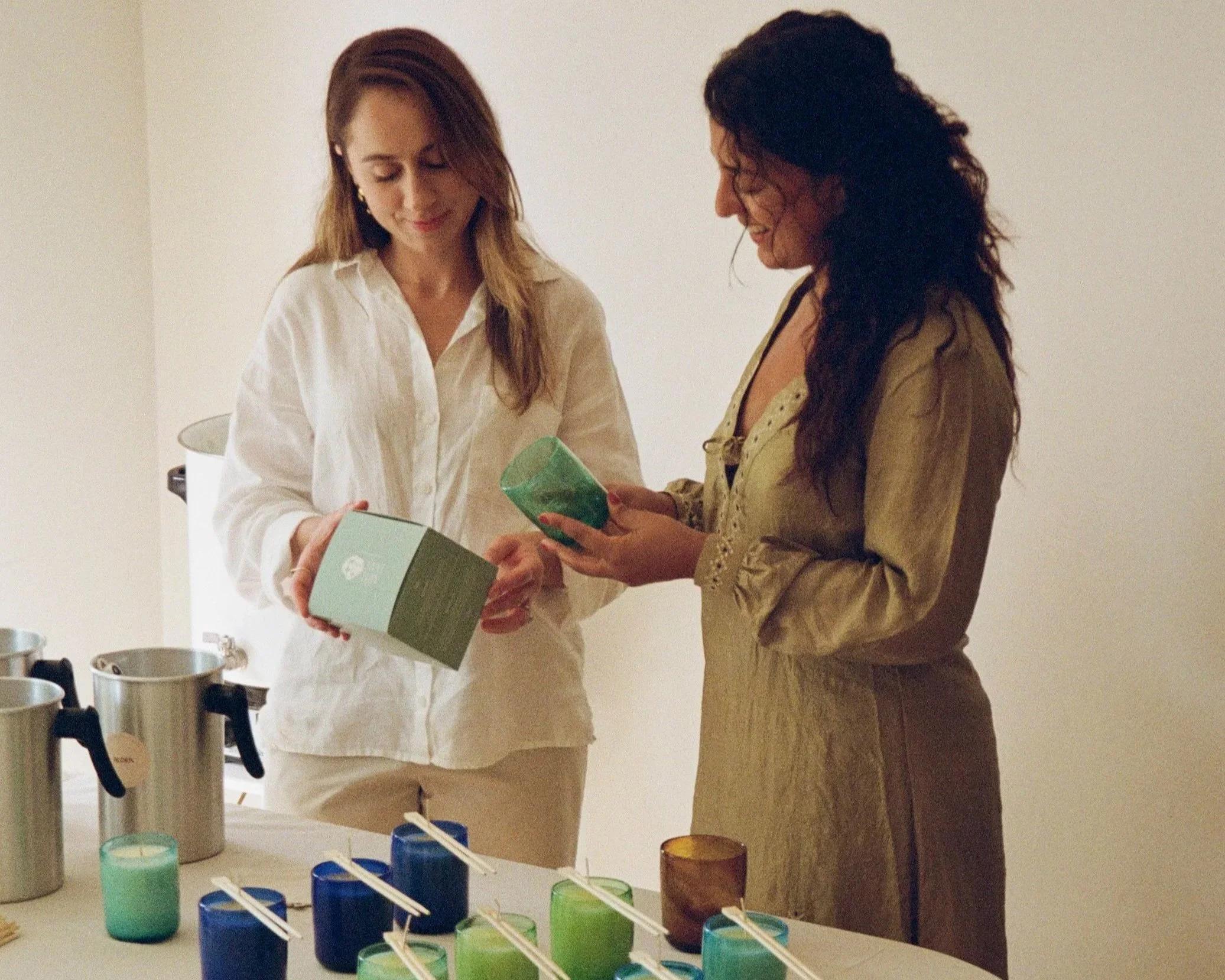
Market Access
We connect artisans directly to international brands, retailers and consumers, with no intermediaries between the maker and the market.
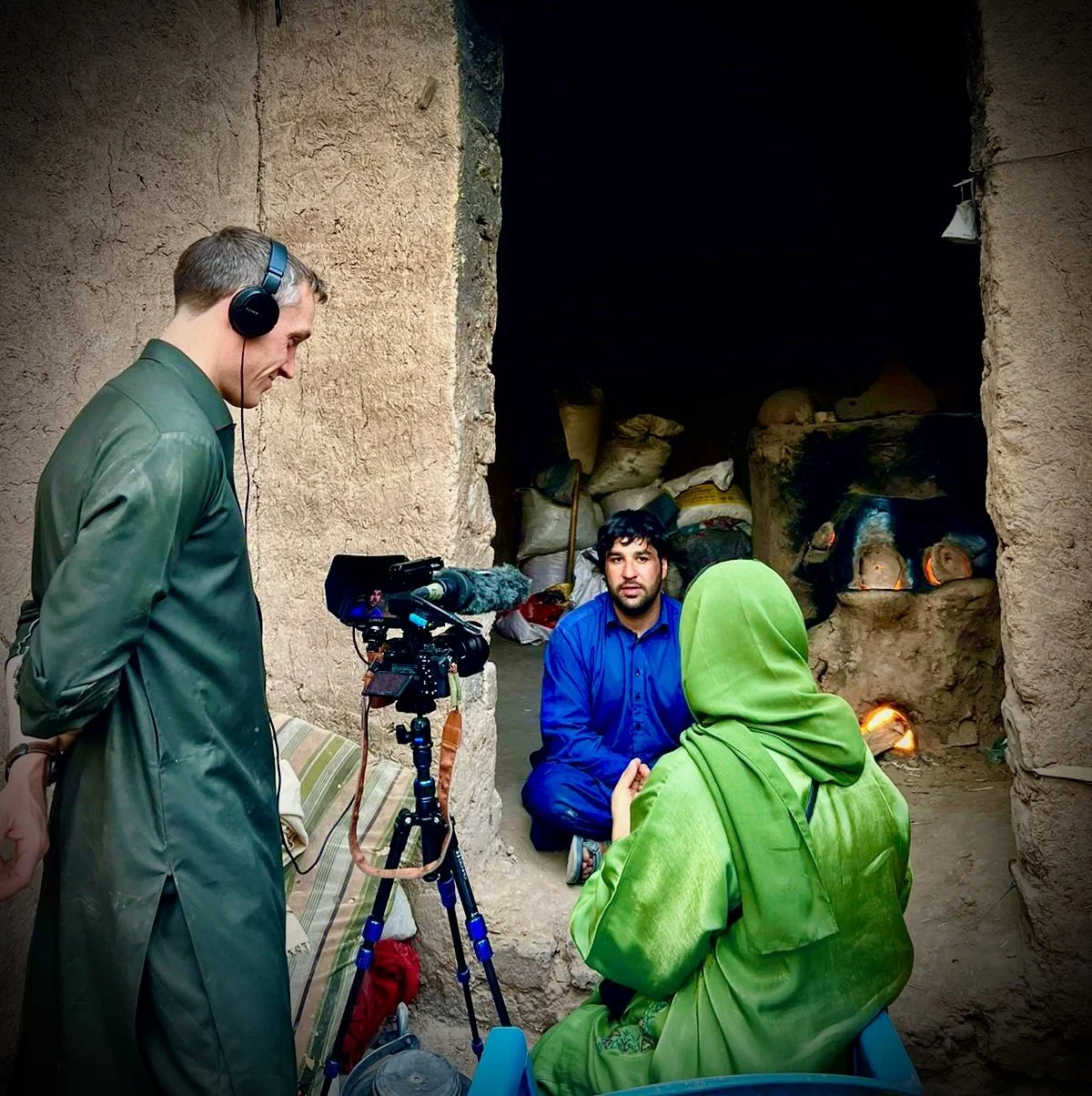
Storytelling
Through cultural events, exhibitions, screenings and our media platforms, artisans share their world with the people who support their work.
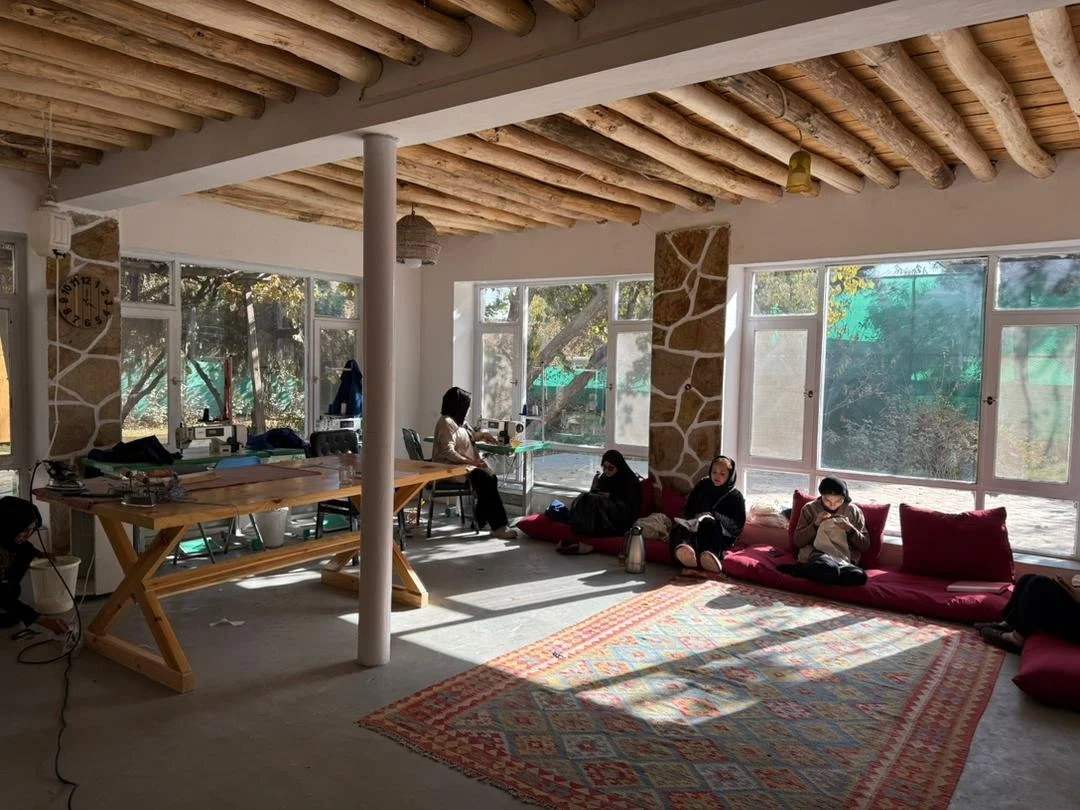
Our Kabul Atelier
The Beating Heart of Artijaan in Afghanistan

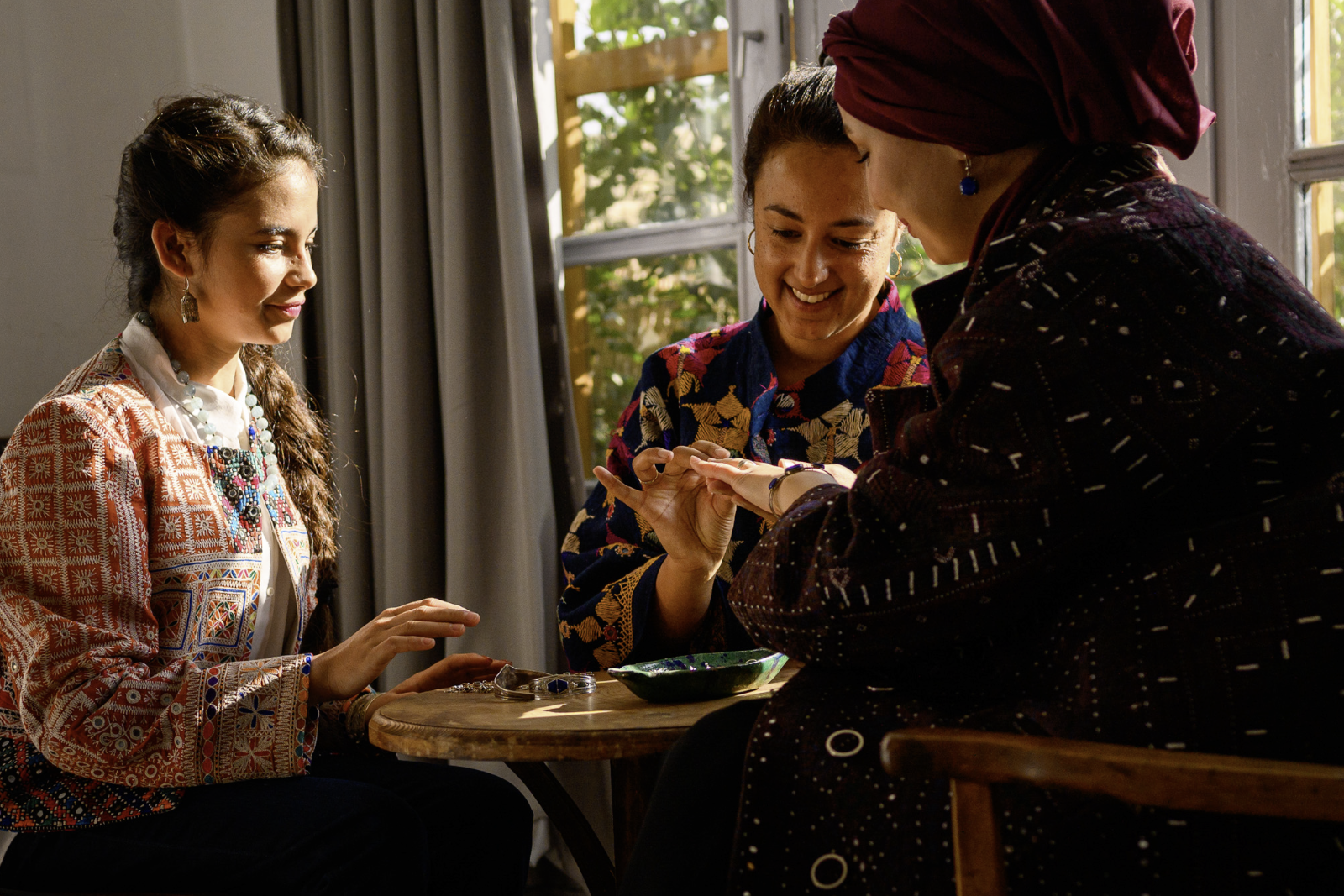
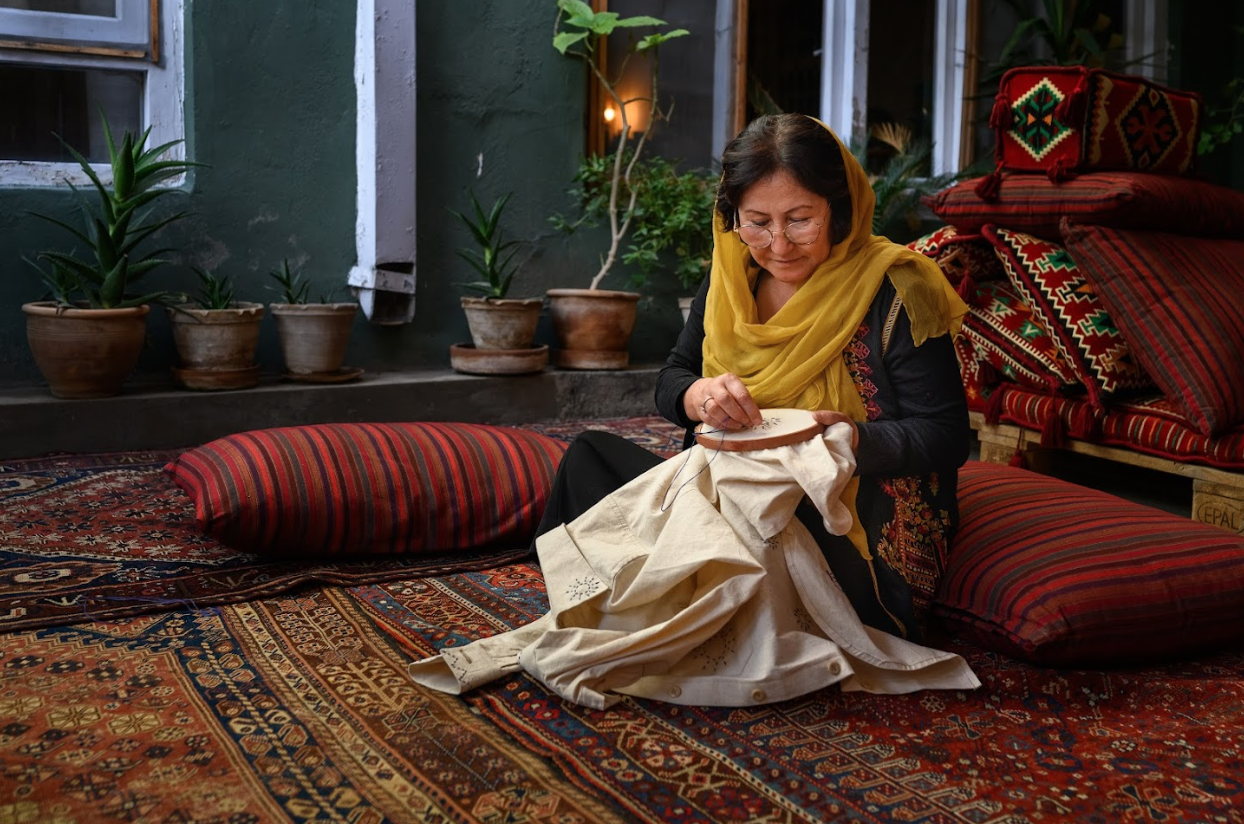
Our dedicated Kabul workshop provides a safe and healthy community space for collaboration, empowerment and cultural preservation, where artisans from our network come together to share ideas, designs and create beautiful craft.
Women-only safe space
Thirty full-time female artisans receiving fair wages and sustainable employment
One of the few formal employment spaces available to women in Afghanistan

High Capacity
Production capacity of two thousand products per year
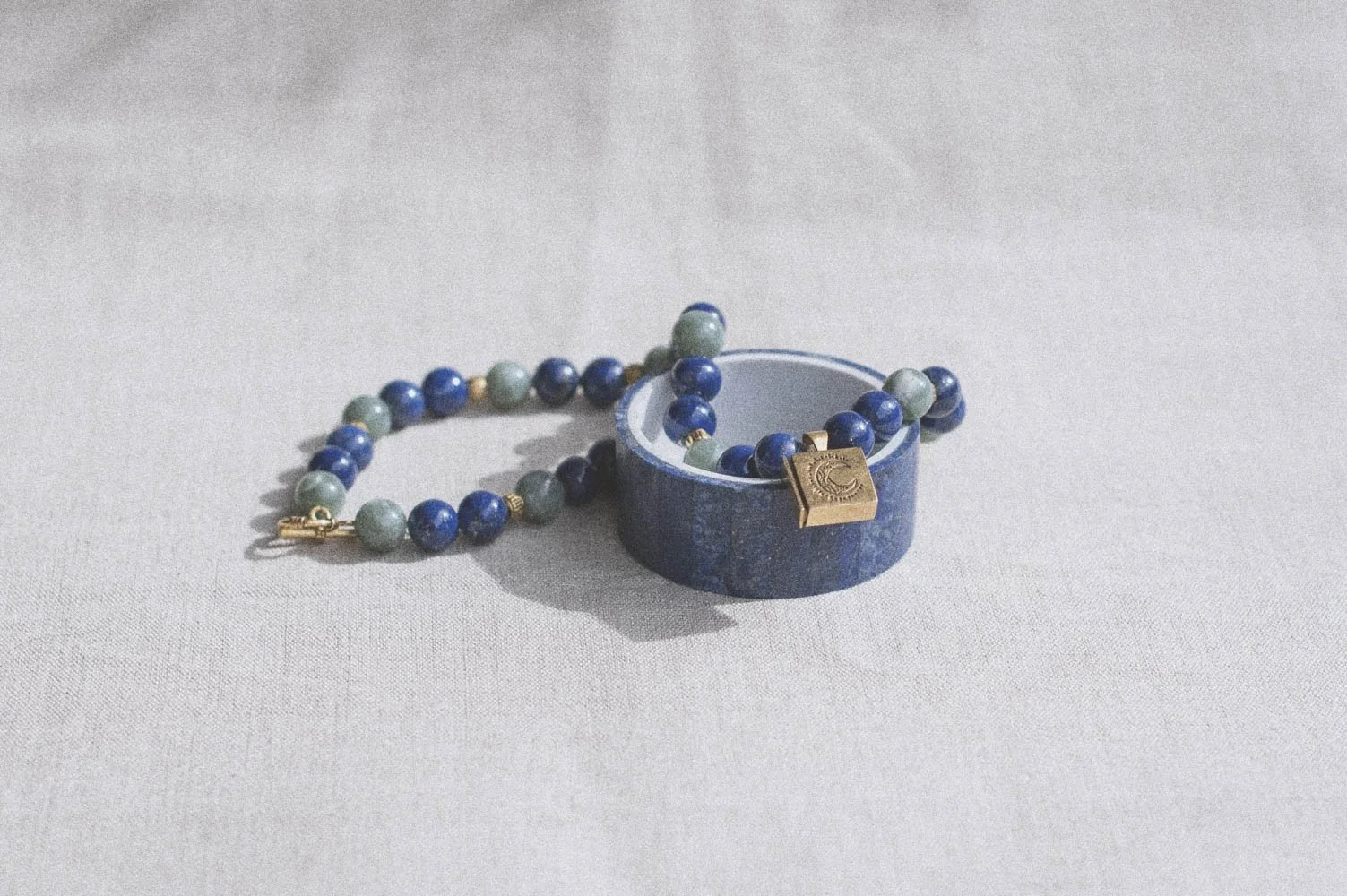
Specialisms include embroidery, tailoring, ceramics, woodwork, jewellery, glasswork and more


End-to-end production management
From collaborative design, to raw material sourcing, to sampling, quality control and shipping, we handle everything required by international brands wishing to produce with Afghan artisans.
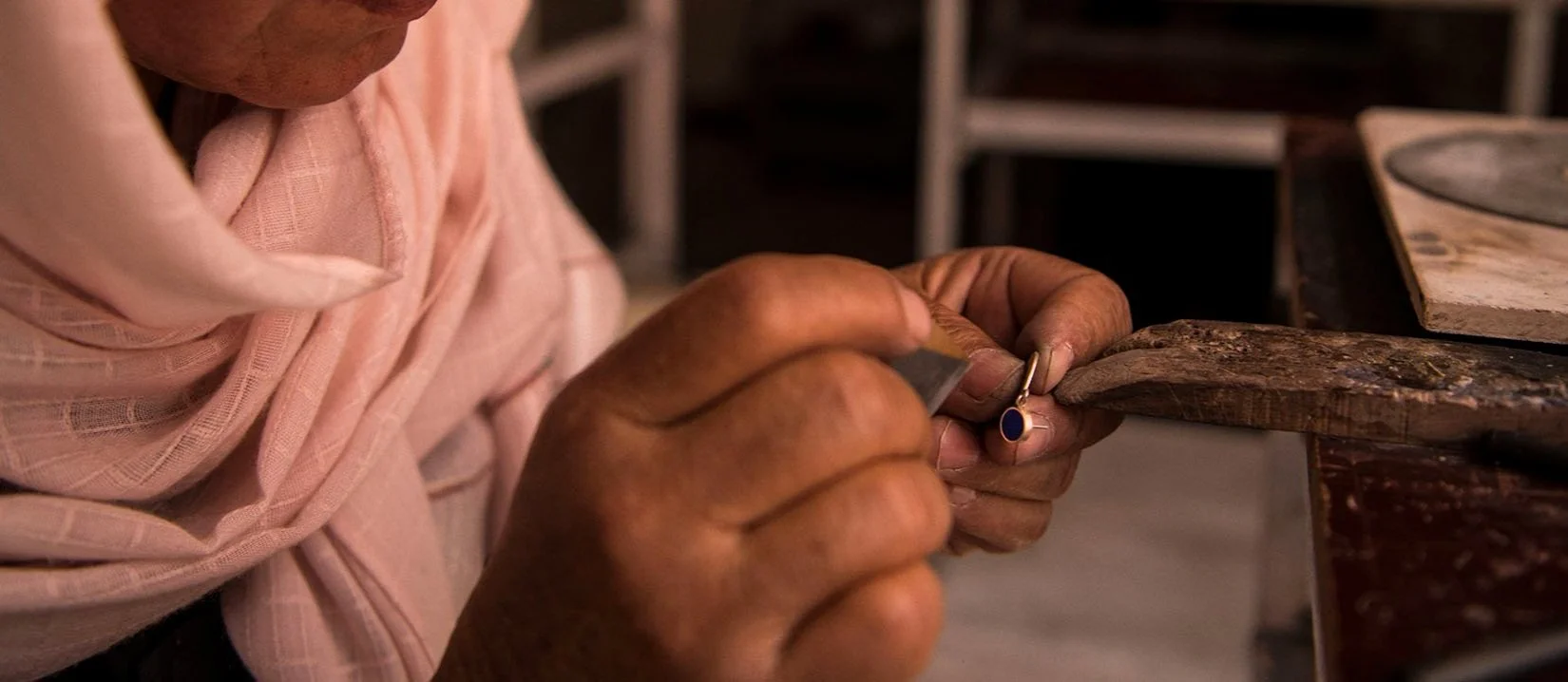
Meet Dorsa.
Dorsa began sewing at the age of thirteen. Today, she is the creative force behind Artijaan’s upcycled coat collection, transforming antique textiles sourced in Kabul into contemporary one-of-a-kind garments.
Each piece can take up to a month to complete — assembled slowly, by hand, like a puzzle carrying fragments of memory, craftsmanship, and personal expression.
In a country where many women face growing restrictions on public and economic life, creative work such as this offers more than income alone. It creates continuity, independence, and the possibility for Afghan craftsmanship to remain part of contemporary global culture.
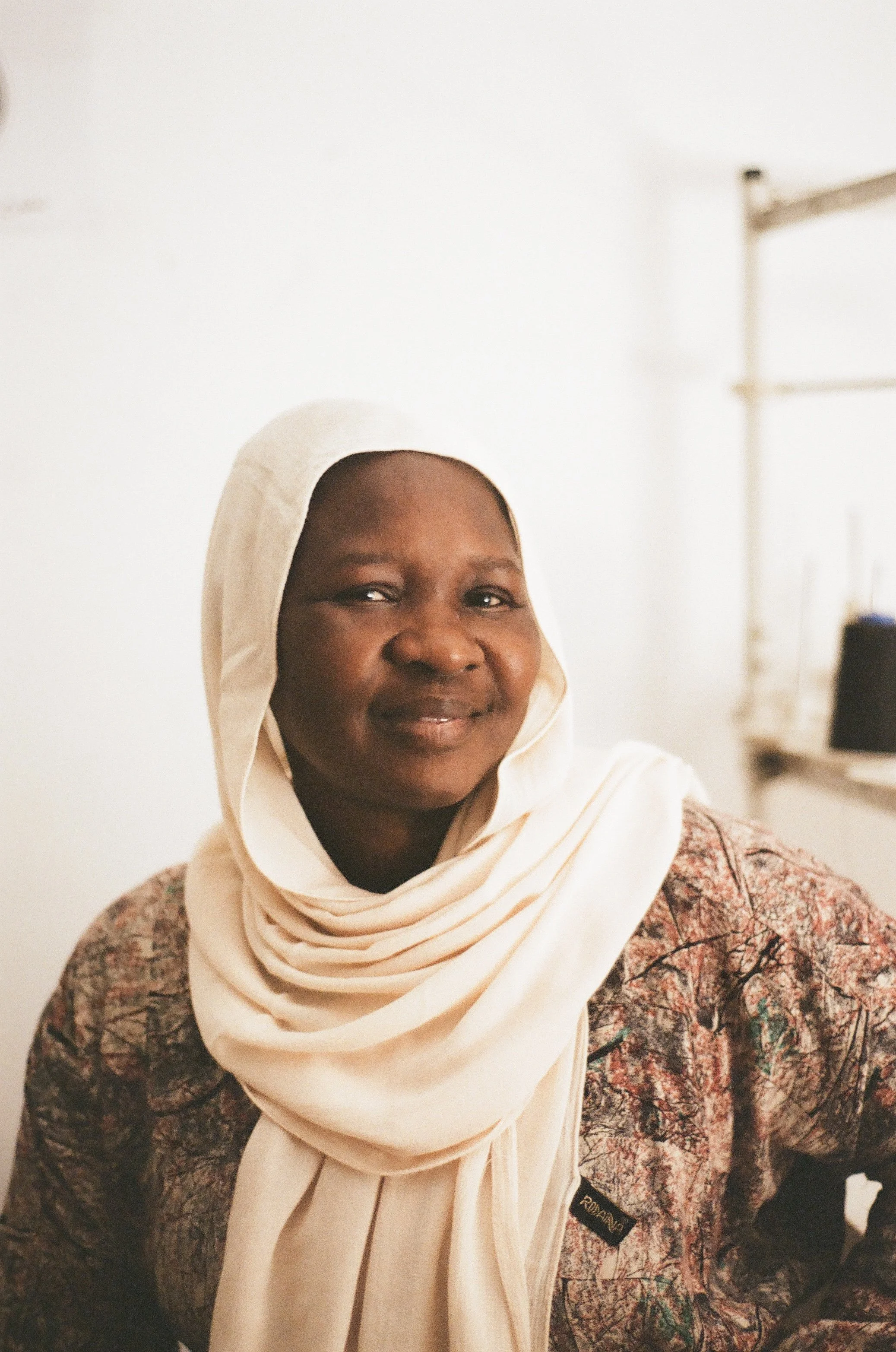
The Artisans at the Heart of Our Work
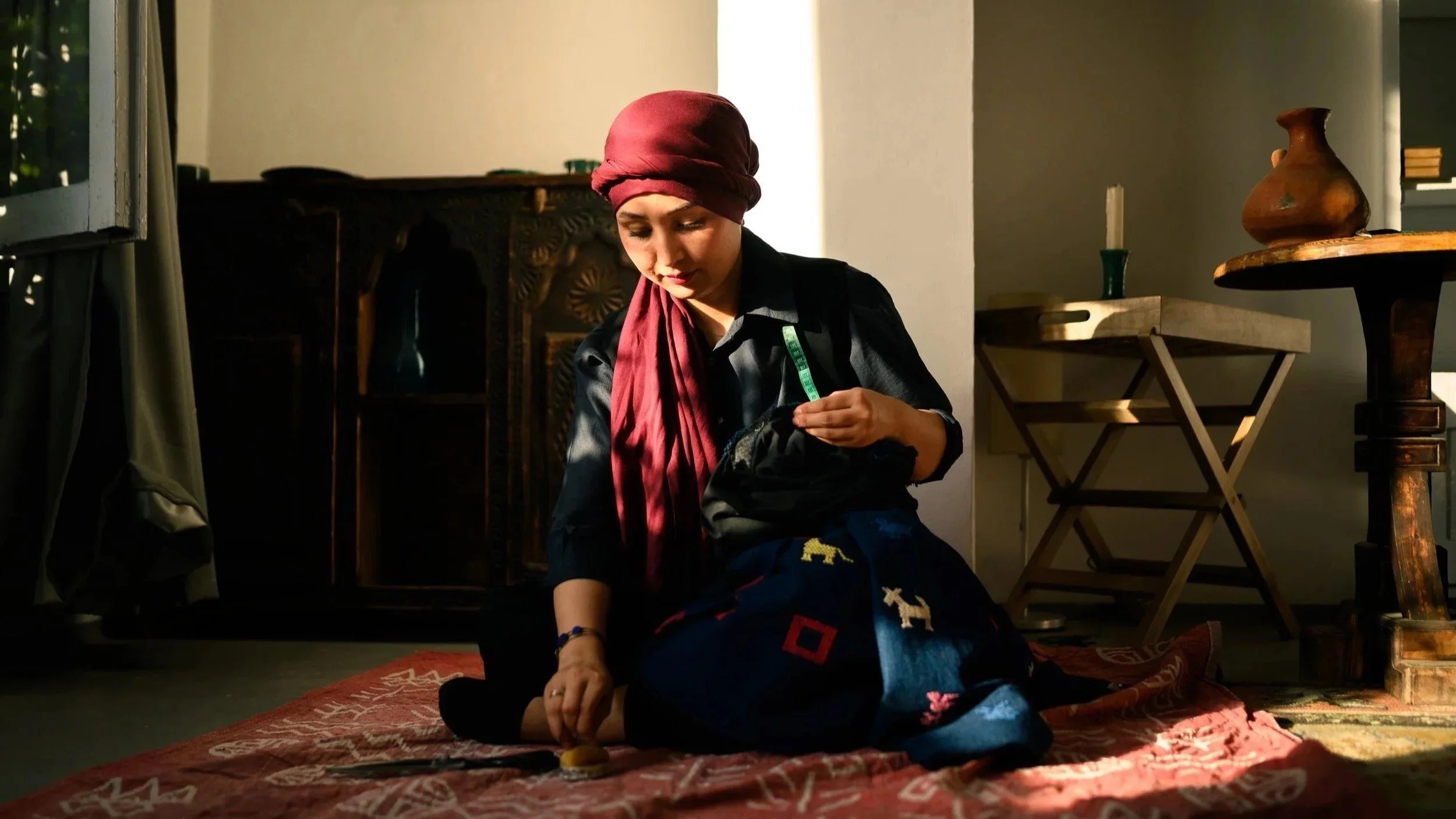

“I like to imagine what people will feel when they wear the pieces I create. It brings me joy to know that clothes made in Kabul can travel across the world.” — Dorsa



Discover More & Connect With Us